
I had such a brilliant session at the Pit Hide today, just so enjoyable and interesting with constant comings and goings of all the usual species as well as a few exciting new visitors.
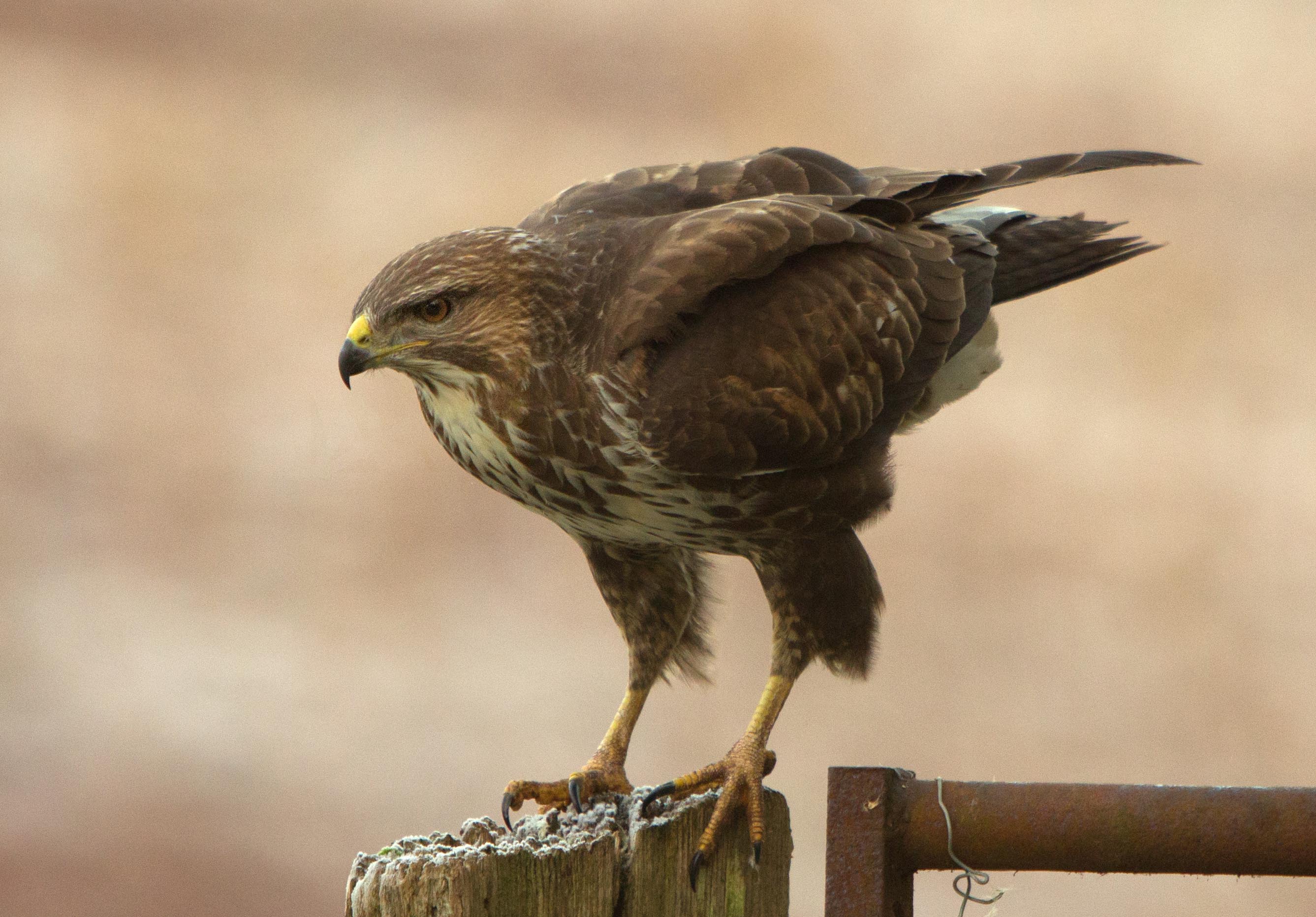
The Buzzard came in for his usual "freebie", I didn't get a usuable photo of him today though, I am calling him "he" but for for no scientific reason, it just seems to me that it is a relatively smallish bird which would indicate a male as females are larger than males.
One of the most interesting sightings today was a shrew. I tried to get a photograph but each time I saw it, on the log just in front of me, it was extremely active as you would imagine. Shrews have a very fast metabollic rate which means they need to feed very regularly to maintain body temperature. Consequently they are constantly on the move in their quest for live food.
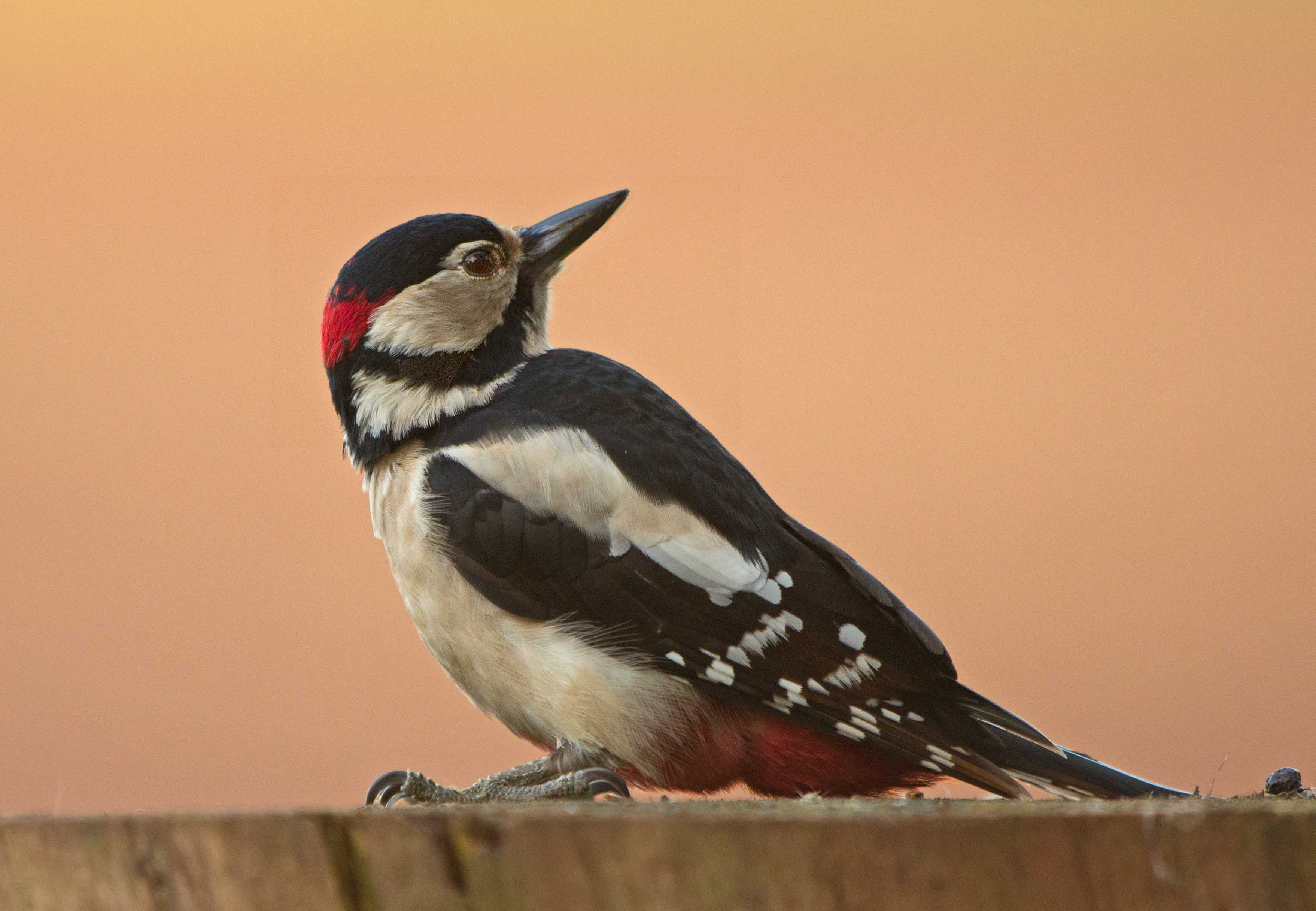
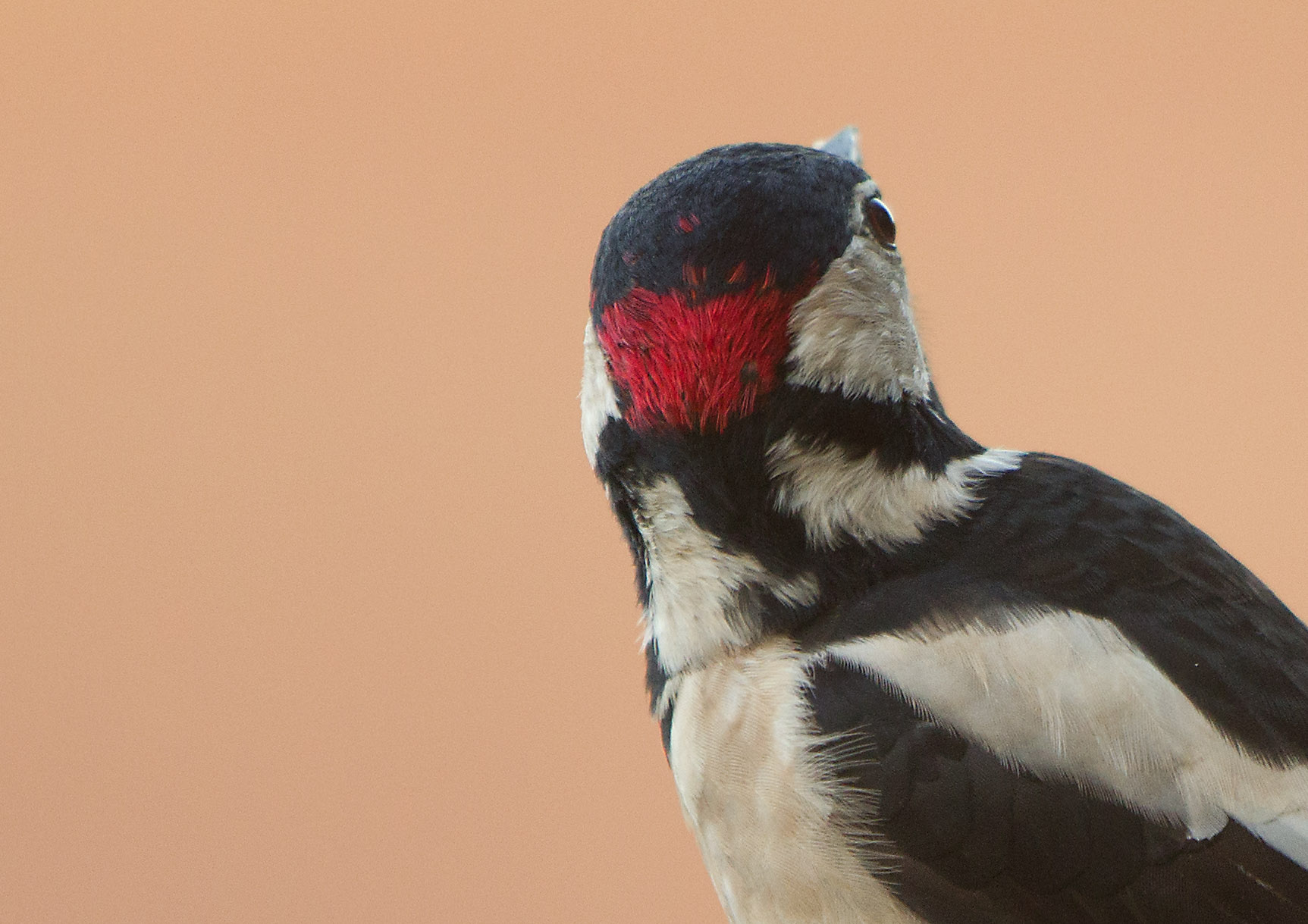
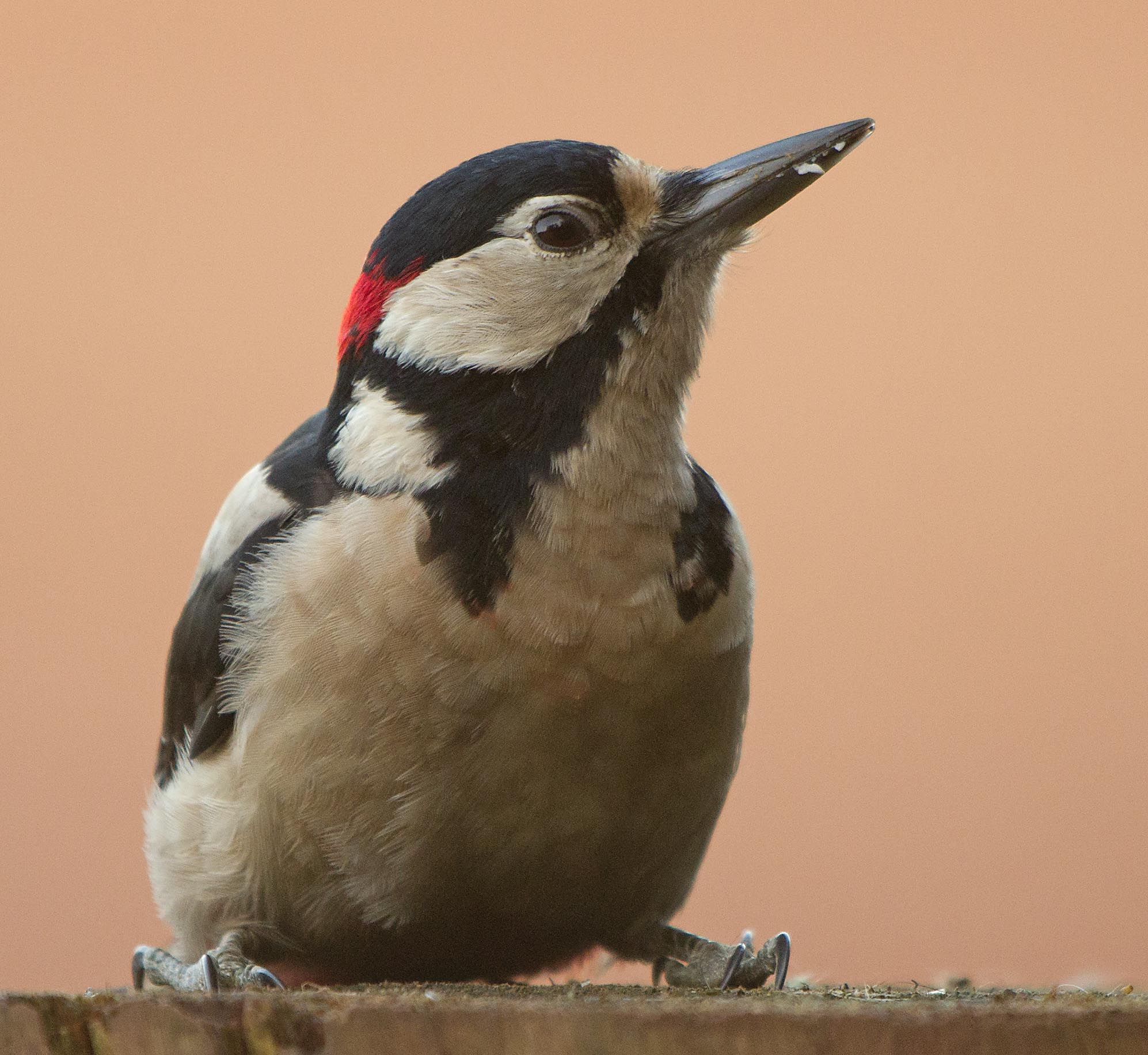
I have been scattering a wild bird seed mix on the grass in front of the hide in the hope of encouraging Bramblings to come down to feed. Today was very positive because Chaffinches of both sexes were feeding on the grass and I feel that it will be just a matter of time before Bramblings come down. I know that they are in the area with sveral sightings locally and I have seen massive mixed flocks of finches not too far away in the lane near to my hide. Now that the woodland trees are denuded of leaves there is not the natural barrier of vegitation to stop movement. As I scanned the flock of Chaffinch looking for the more "exotic" Brambling suddenly a real surprise! It was last May that I last saw a Greater Spotted Woodpecker and here was one at last. When we designed the hide and surrounds we had burried a 5 foot high tree trunk in to the ground thinking that it would be a good place to put food for the Buzzards but they rarely perch on this trunk, I think it's too near to the caravan. But here was a Greater Spotted Woodpecker at last and I was very pleased with the chance to get some nice pictures and watch it from just 10 feet away. Males have the red patch on the back of the neck by the way. This patch is absent in females.
There are always one or two Blackbirds near the hide but this last few days there has been 4 or 5 and today more than 7, in itself quite unusual. At least two of the birds present today have black beaks. I find these black-beaked Blackbirds very interesting. We are all very familiar with our Blackbirds in the UK and to suddenly see birds with a dark beak rather than a yellow beak is immediately noticeable. It is my understanding that these dark beaked birds are migrants from continental Europe. Males from Europe are said to retain their dark juvenile beaks until the following spring whereas birds that have originated in the UK acquire the typical adult yellow beak in their first Autumn.
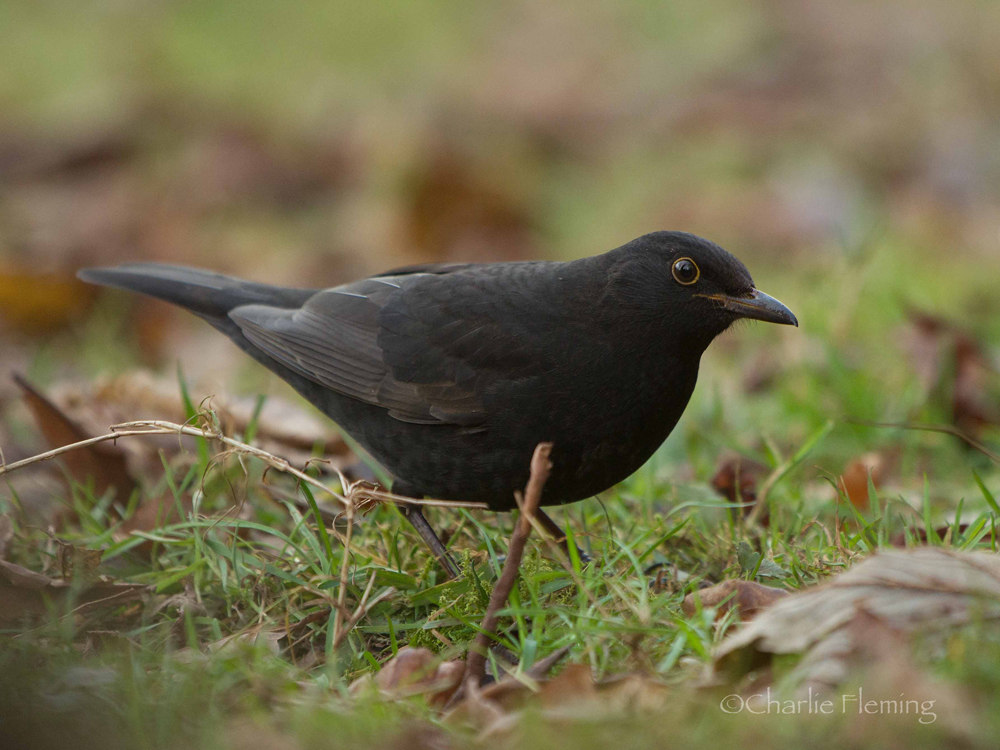
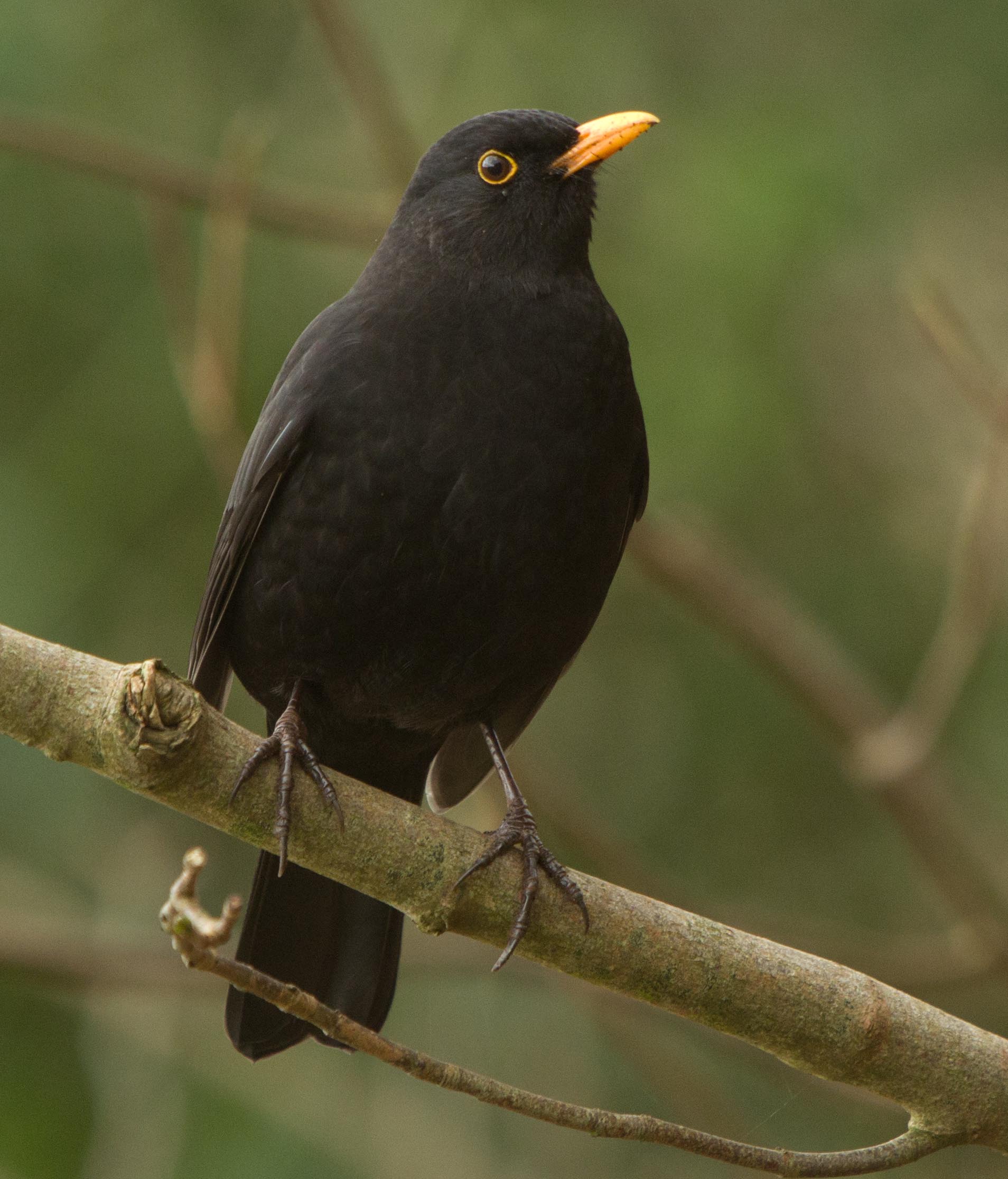
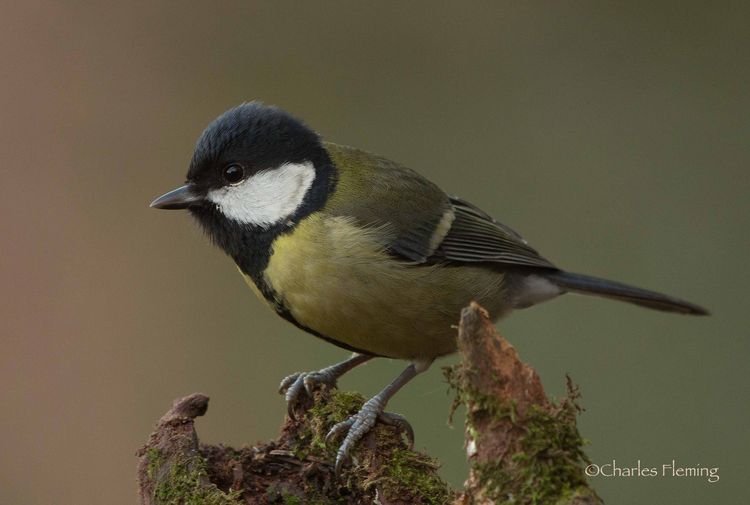
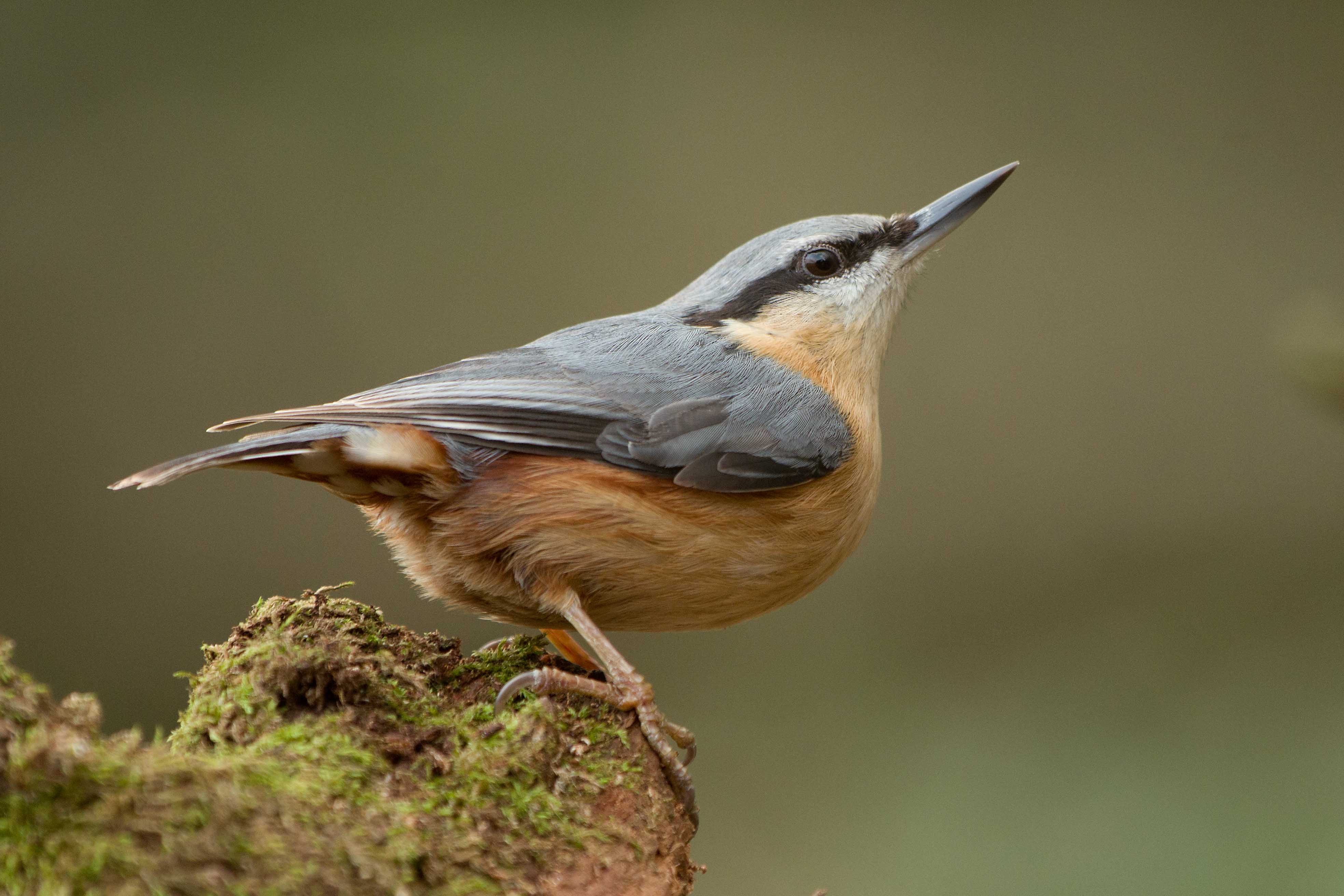
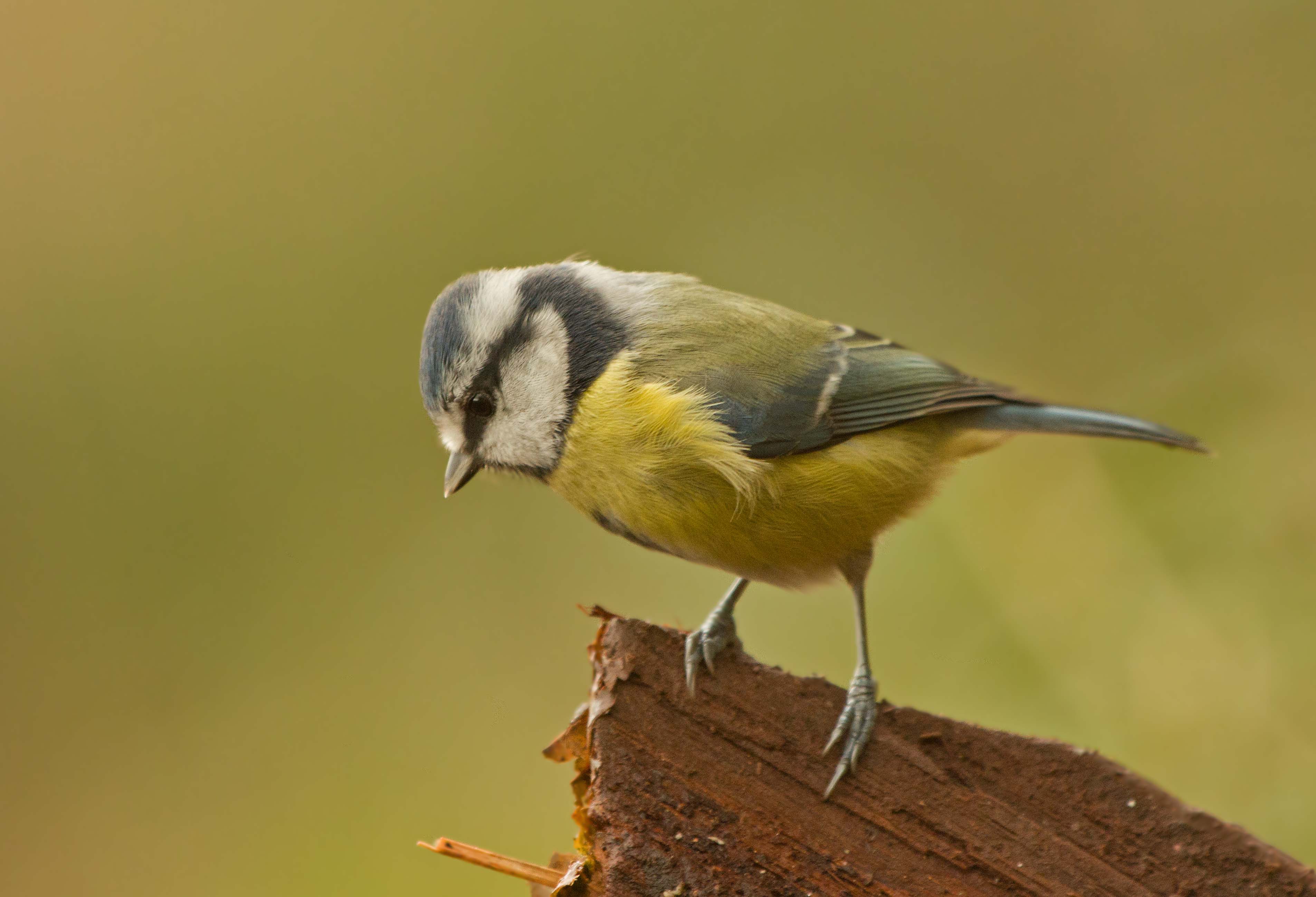
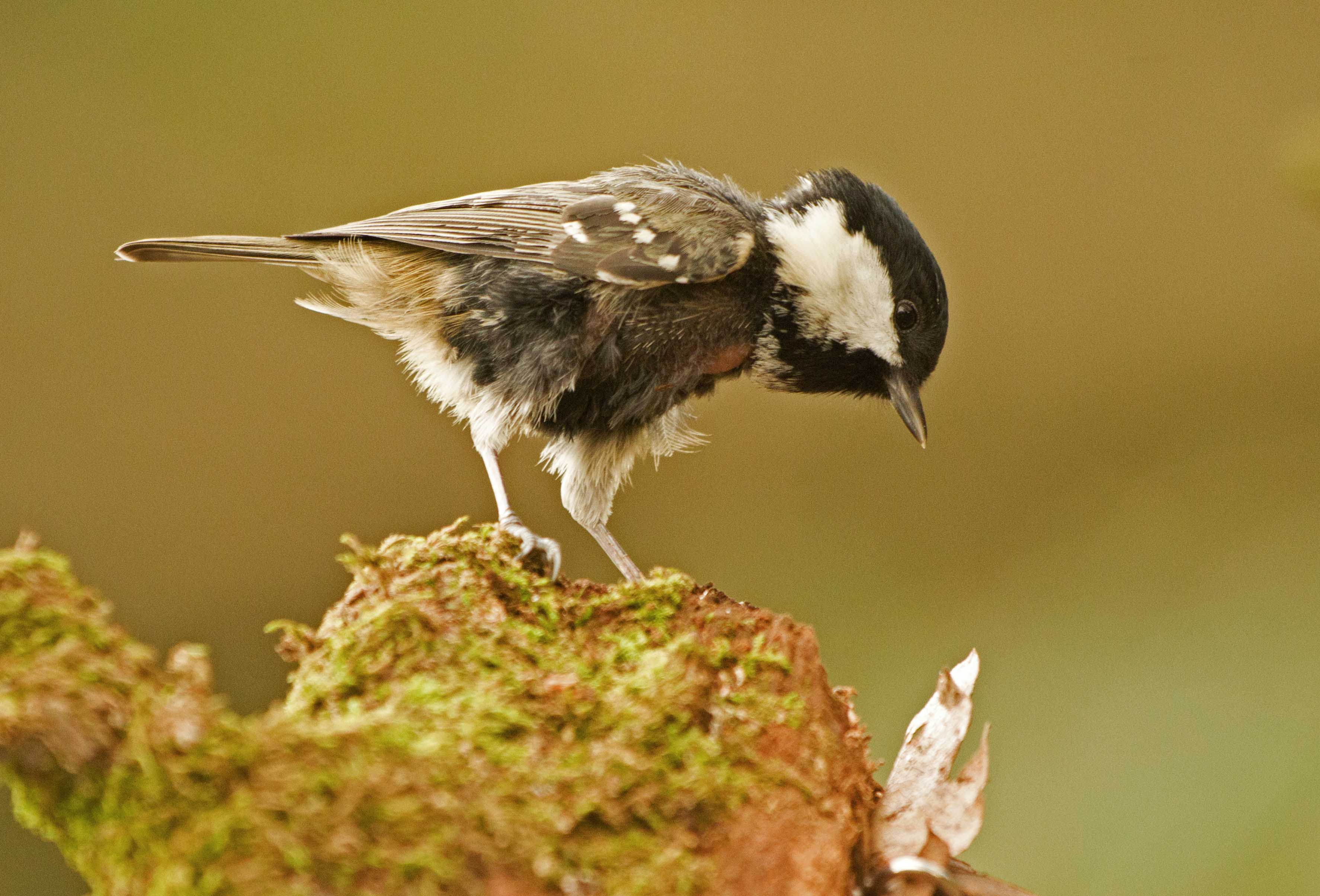
All in all it was quite a day and I would suggest that as the winter deapens the birds will be even more numerous. The volume of birds at the feeding station is increasing dramatically day by day. Today there was 15 different species of birds at the feeding station as well as Squirrels, Pygmy or Common Shrew and unfortunately Brown Rat which has decided that the pit hide is a great place to tunnel!
Related articles


 Wildlife in a Suburban Garden
Leave a reply to wiolakk Cancel reply