
h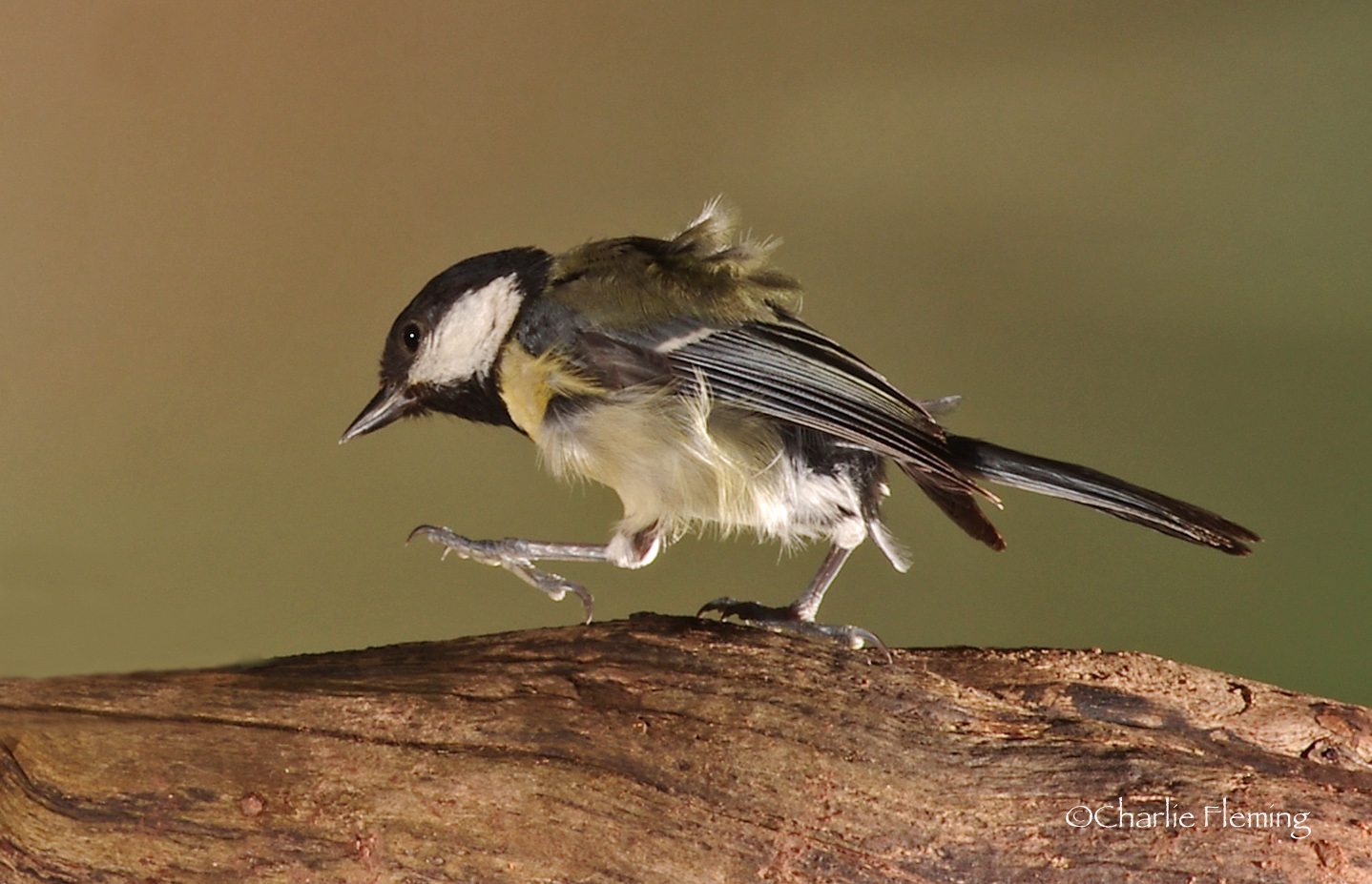
I have spent quite a lot of cash over the last year assembling the equipment required to photograph birds in flight. I was innitially inspired by seeing photographs of hummingbirds from the USA that actually froze the action of wingbeats at 1/10000 of a second. I won't go in to the technicalities of how this is acheived but I have got my head around it and today was the first time that I assembled all the pieces of the "jig-saw". The gear includes multiple flash guns, electronic remote triggers and receivers and small "poles" to hold the flash guns etc etc. The most important piece though is a background board. This is an out of focus image printed to poster size and then mounted behind the scene and lit up with it's own dedicated flash gun to provide a natural backdrop. Without this, any bird photographed would appear as though it was taken in the dark and obviously birds don't normally fly around at night! When the flashes fire at very high speed, the bachground is illuminated simultaneously giving the picture a natural look. Not only is a fast shutter speed essentialto freeze the action, it's also important to try and get the maximum amount of "depth-of-field", without this it's virtually impossible to get the the subject sharp and in focus. High speed flash with multiple flash guns is a way to acheive both of these necessities.
I set all all the gear up, in it'self a time consuming affair with lots of adjustments and testing required. Eventually it was all ready and all I needed now was a bird! I expected a certain amount of resistence because of the clutter of the flash guns but the birds were very reluctant to perform, in fact it turned out to be the quietest session in the wood so far. Great Tits were the only birds prepared to enter the "stage" and even they were freaked by the flash guns. I only managed one photograph and that one wasn't of a bird in flight but it proved to me that if and when the rest of the residents get used to the set-up, I will get some wonderful shots. Nuthatches in flight are the images I am after so watch this space.


 Wildlife in a Suburban Garden
Leave a reply to Jeff. Cancel reply