
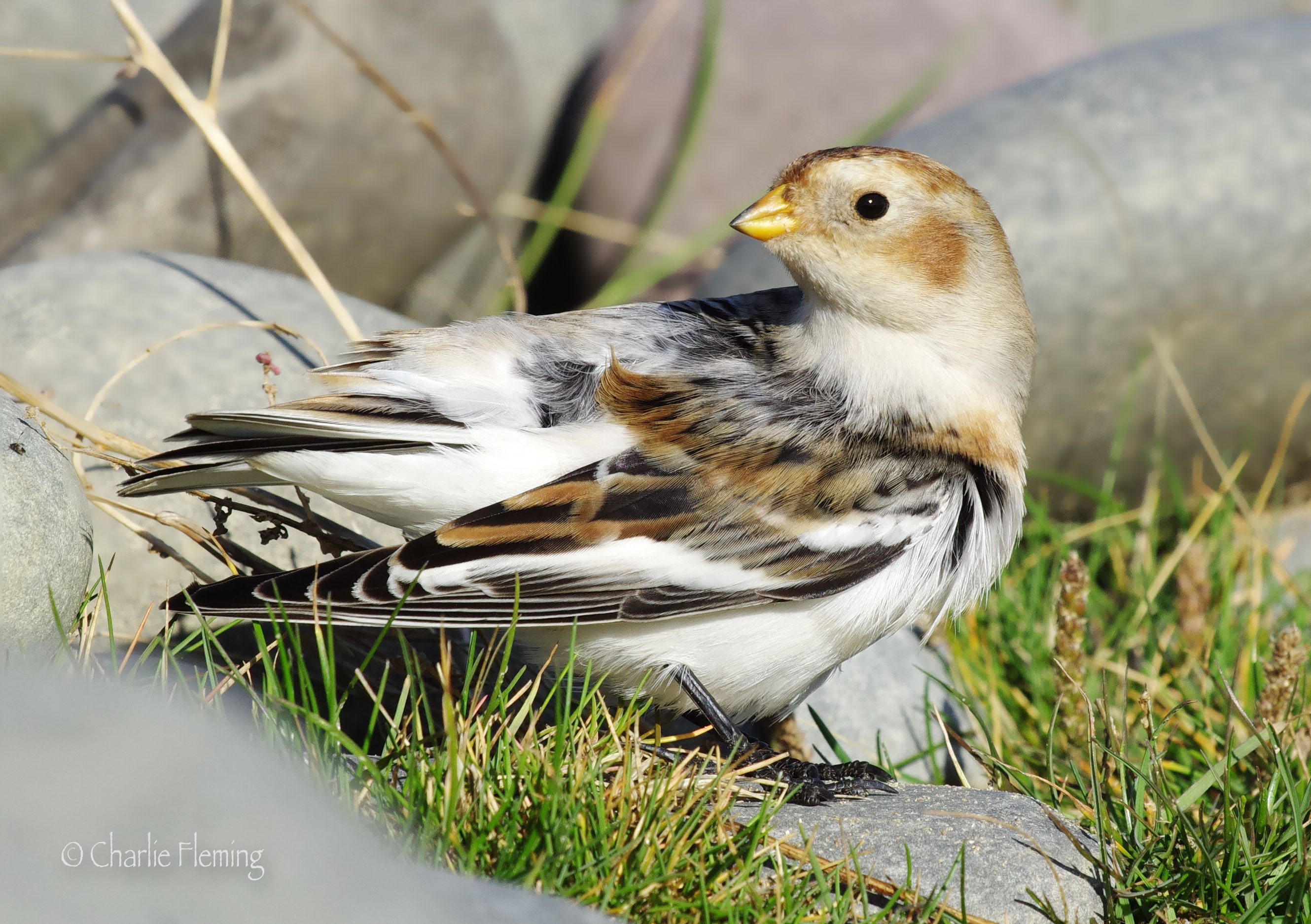
A beautiful Snow Bunting photographed today at Sandymere near to Westwood Ho! North Devon
Snow Bunting in sunny Devon? Well yes, and it's a pretty normal occurrence at this time of year. So whats going on? Snow Buntings are one of those bird species that make wildlife watching even more interesting to me. To start with they are a very pretty bird and I have always thought of them as a kind of bird "celebrity". The fact that they actually breed in the colder regions of the Northern Hemisphere, even inside the Arctic Circle, Siberia and Greenland makes them a pretty special bird in my eyes. They are also a bird of North America where they breed in Arctic Canada and winter in the Northern United States . In Canada they are a well known bird that even featured in a 1970's pop song that I have to confess to knowing well! The song tells the story of the bird being able to fly away as soon as the snows arrive and then return again to breed the following spring which is pretty much what happens. However they have several specialist adaptations which enables them to survive in colder climates than other birds of their size would be able to cope with. Firstly their white plumage, (males are mostly white in the breeding season), is a good adaptation. White feathers obviously contain no pigment and are therefore hollow and filled with air which is a good insulator. They are white for the same reasons as Arctic Hare, Arctic Foxes, Polar Bears and Ermine. Obviously good camouflage but less heat is lost from white feathers and fur. When I watched these birds today I noticed two interesting things about their plumage, firstly the feathers on the thighs were unusually long and I could see that when a bird needed to huddle from the cold, the abundance of feather on the legs would be very useful. Also, at times when the wind caught the outer feathers of the breast a dark, thick downy under layer was exposed. I don't need to write about the heat retaining properties off Eider Down for example but my guess would be that the down on a Snow Buntings breast would be very effective against the cold.
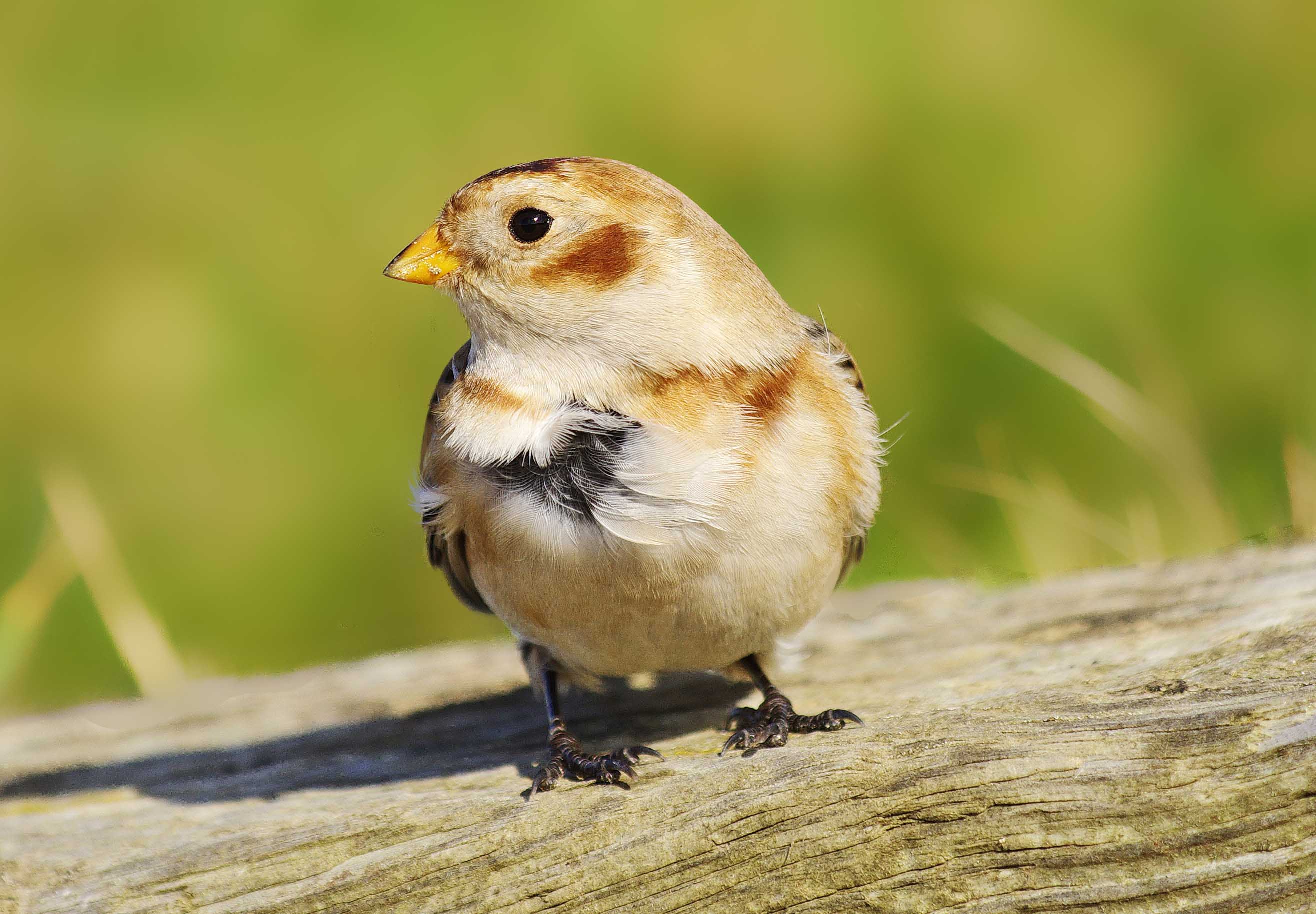
Downy under-feathers exposed by the wind.
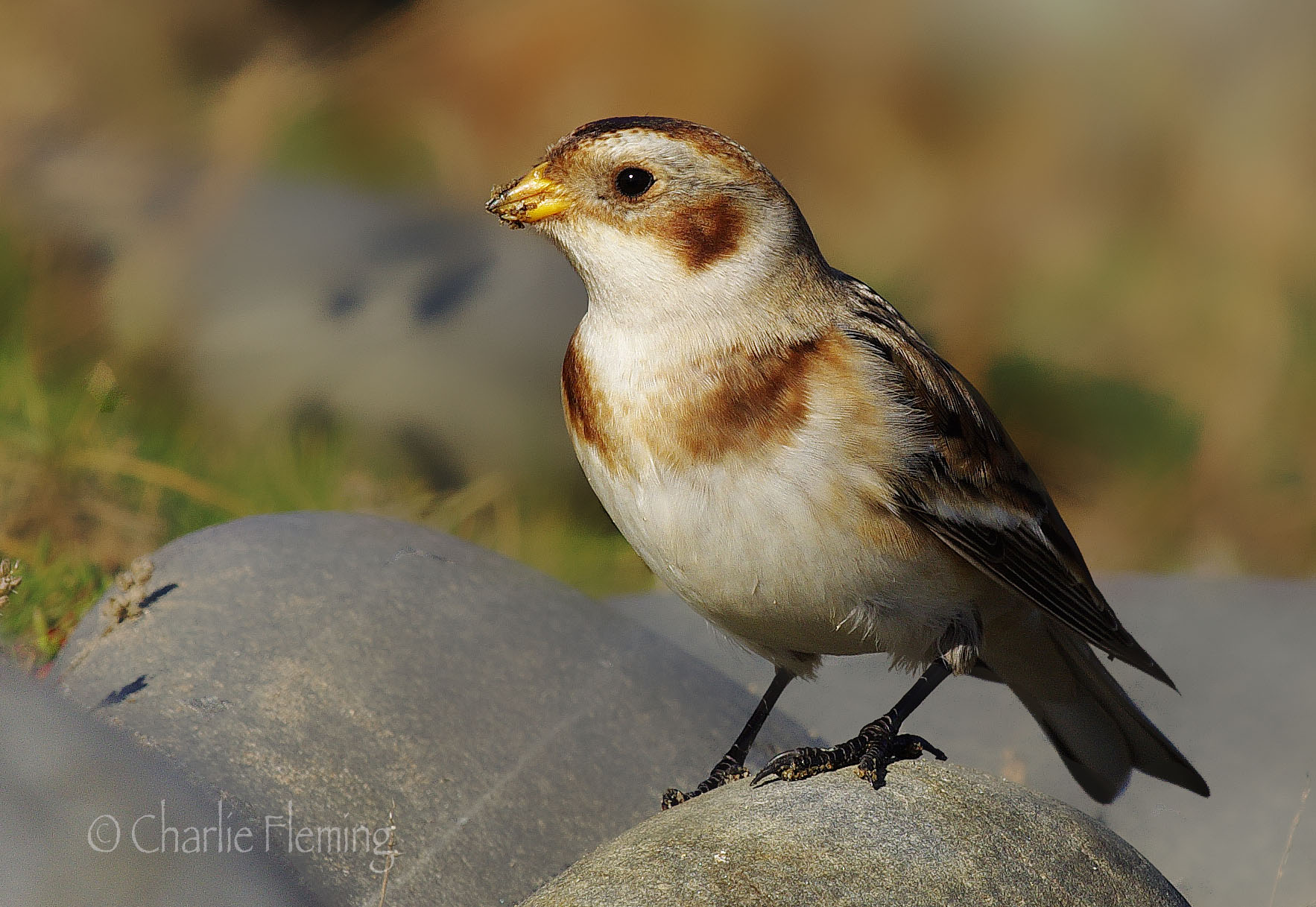
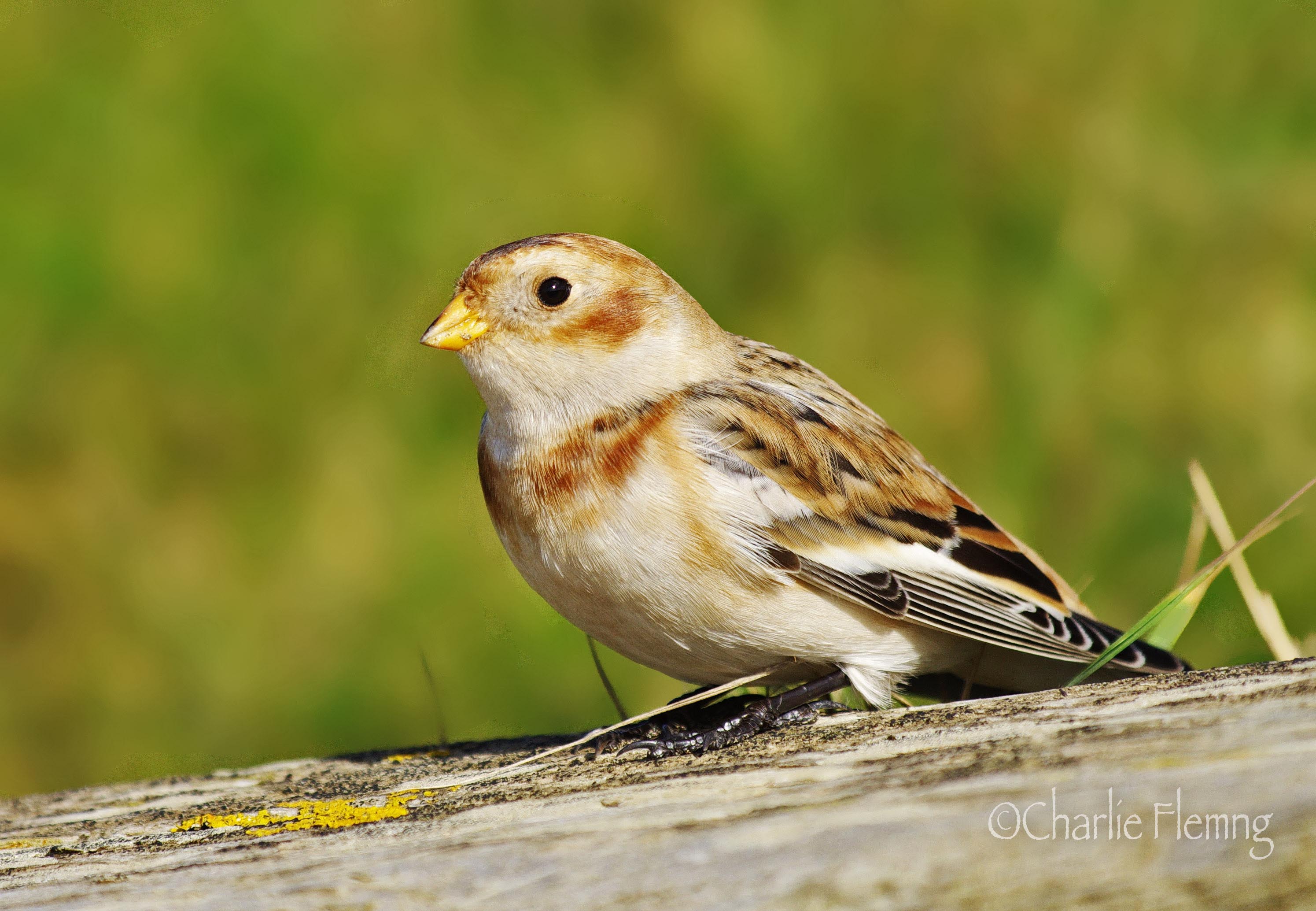
But getting back to the birds that I photographed today in North Devon, why do they choose to return to Sandymere, a small pool by the beach close to WestwardHo! and Bideford. They were seen here, in exactly the same spot at roughly the same time of year in 2010. I have been told that when they move south to escape cold conditions in their breeding territories, they favour areas that are similar to habitats that they are familiar with, rugged coasts and sand dunes with links ( a Scottish word which refers to seaside dunes and flat land with short grassy areas). This is like the tree- less environment that they have left "up-north". That still does not explain why they have returned to exactly the same tiny patch of North Devon beach. Are the same birds involved, were they here last year? Possibly, but if that is the case, how did they find their way back and where did they originate? Mysteries that we will never know the answer to.


 Wildlife in a Suburban Garden
Leave a reply to Bob Bushell Cancel reply