
This is going to be one of those really interesting photographic entries to the blog because yesterday I had just about the best session that I have had for quite some time. It all started on Sunday when Jenny and I decided that we couldn't carry on being the slobs that we have become and went out for a long walk to exercise our slovenly selves. It was a nice walk and we stopped off here and there to have a look at potential sites for birding and photography on the way. So yesterday, I went to one of the places discovered, and it turned out to be fantastic. It was made doubly good by the really good light. I erected the pop-up chair hide and sat and waited for the birds, disturbed on my arrival, to return. It took 40 minutes before the first ones did, a Greenshank on the riverbank opposite. Not as close as I would like but still giving me really good views.
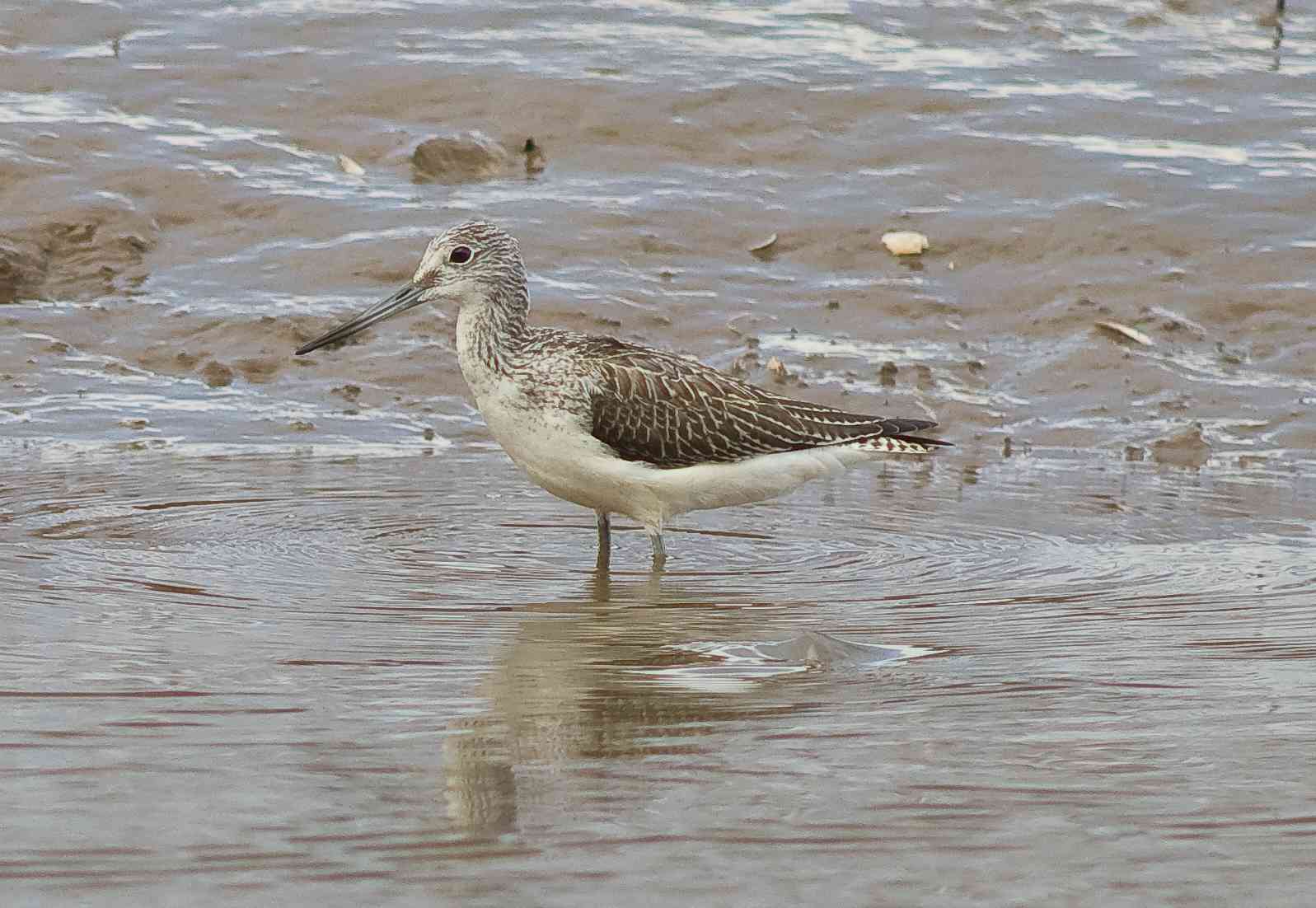
Greenshank are members of the Tringa group of waders which include the Yellowlegs from the Americas and in the UK, Wood Sandpiper and Green Sandpiper. I saw Yellowlegs in Florida last March and today, I was struck by their similarity. A great bird to see here in Devon to be honest, not rare but not "run-of-the-mill" either.
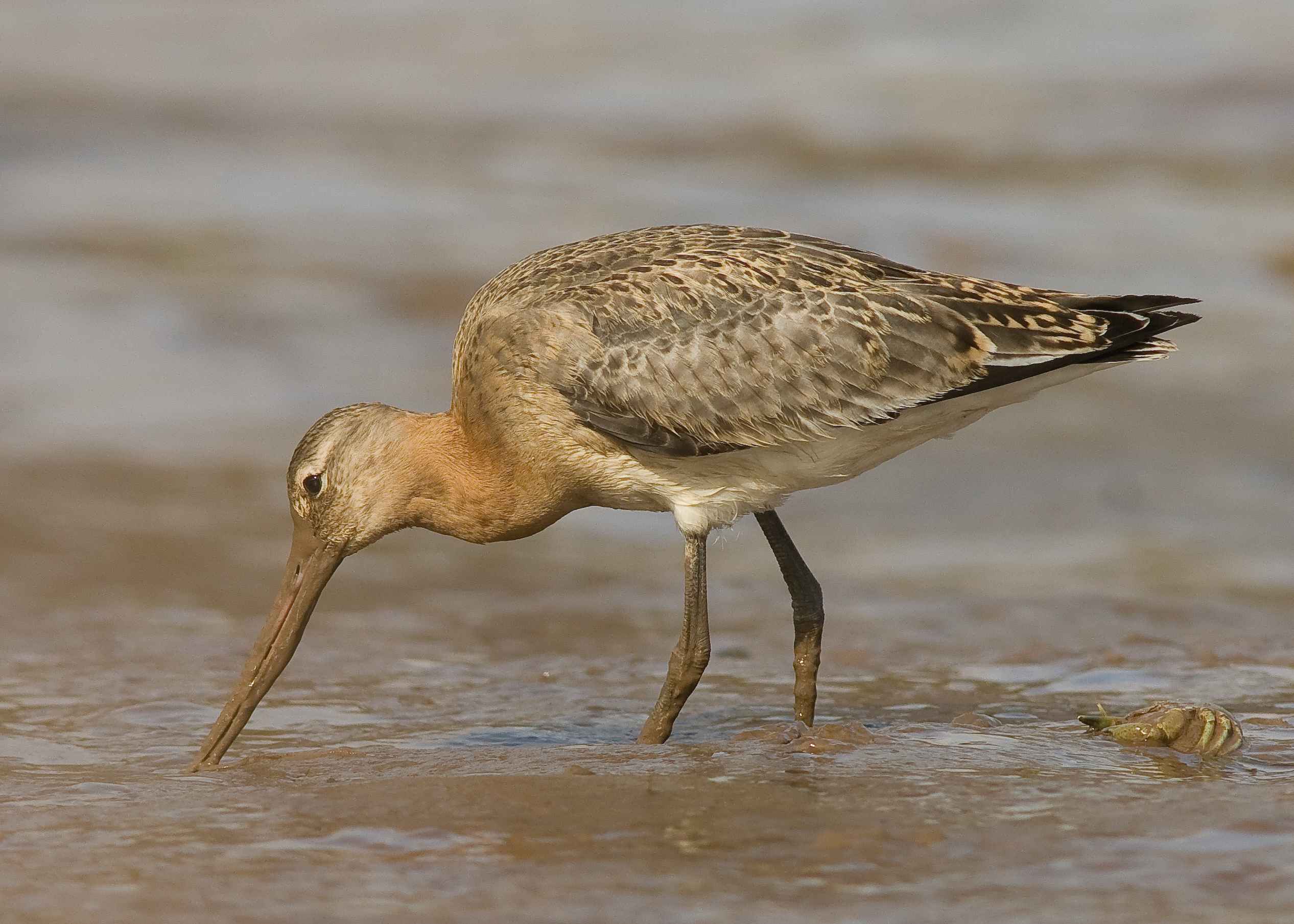
My session got better and better as the birds got used to the hide and in the end a few of my really favourite birds, Black-tailed Godwits, came really really close. I took some amazing pictures and enjoyed the whole thing immensely.
They were feeding on marine worms, mainly small Harbour Ragworm which they extracted with their long beaks as you can see. Black-tailed Godwits that winter here in Devon are members of the sub-species, Islandica and breed, guess where………? Iceland and the Faroe Islands. It is always a great fascination to me , that waders travel such long distances to be with us here near to my home. In breeding plumage they are much brighter with redder necks and faces but the ones in the pictures here are showing some of that as, being early in the season they haven't moulted through completely yet. They are reasonably confiding birds and you can get a bit closer to them than some of the other wader species. This is probably due to the fact that they do not come in to contact with humans at their summer breeding sites so don't see us as too much of a threat when they encounter people for the first time in Autumn and Winter here in Devon.
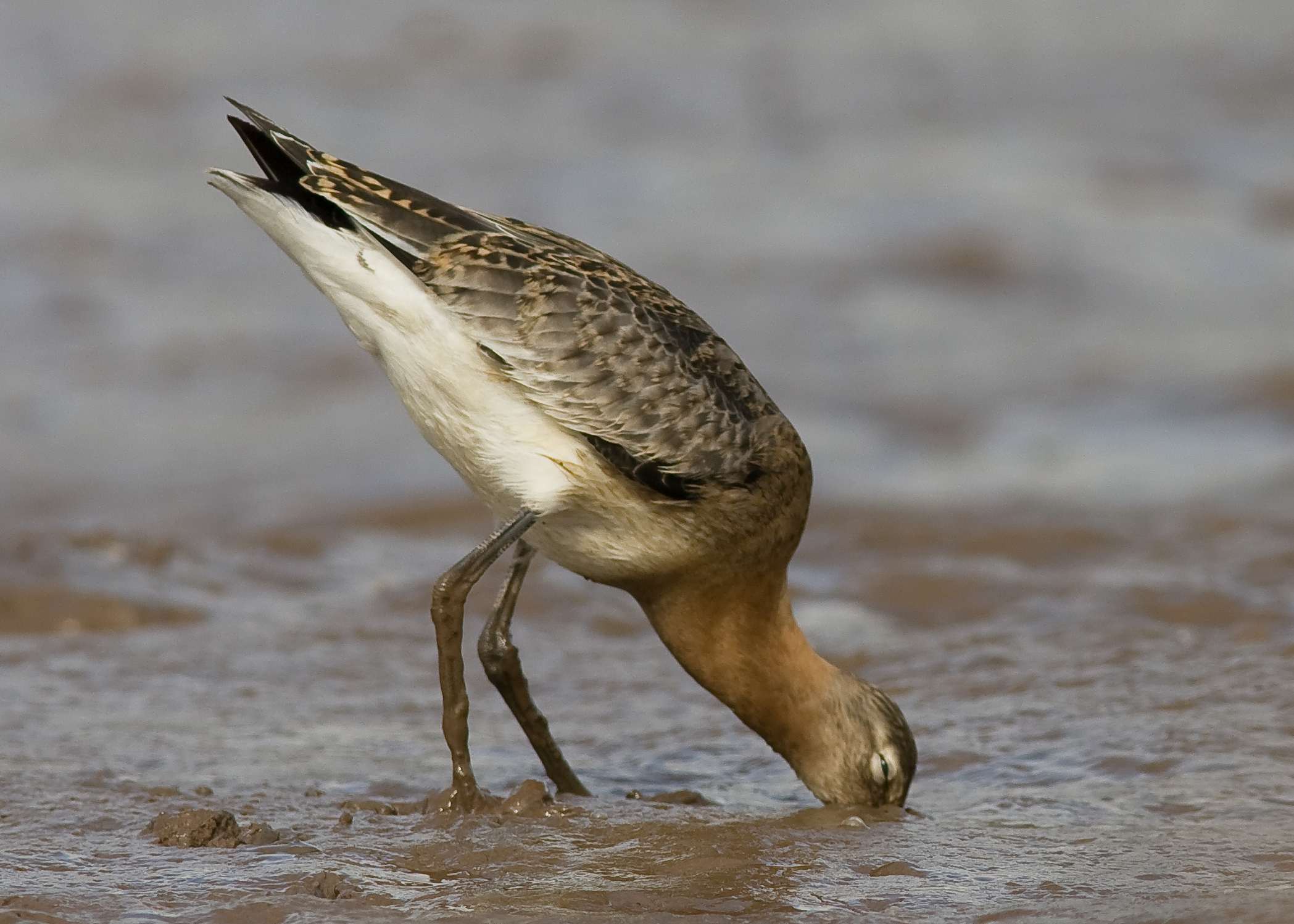
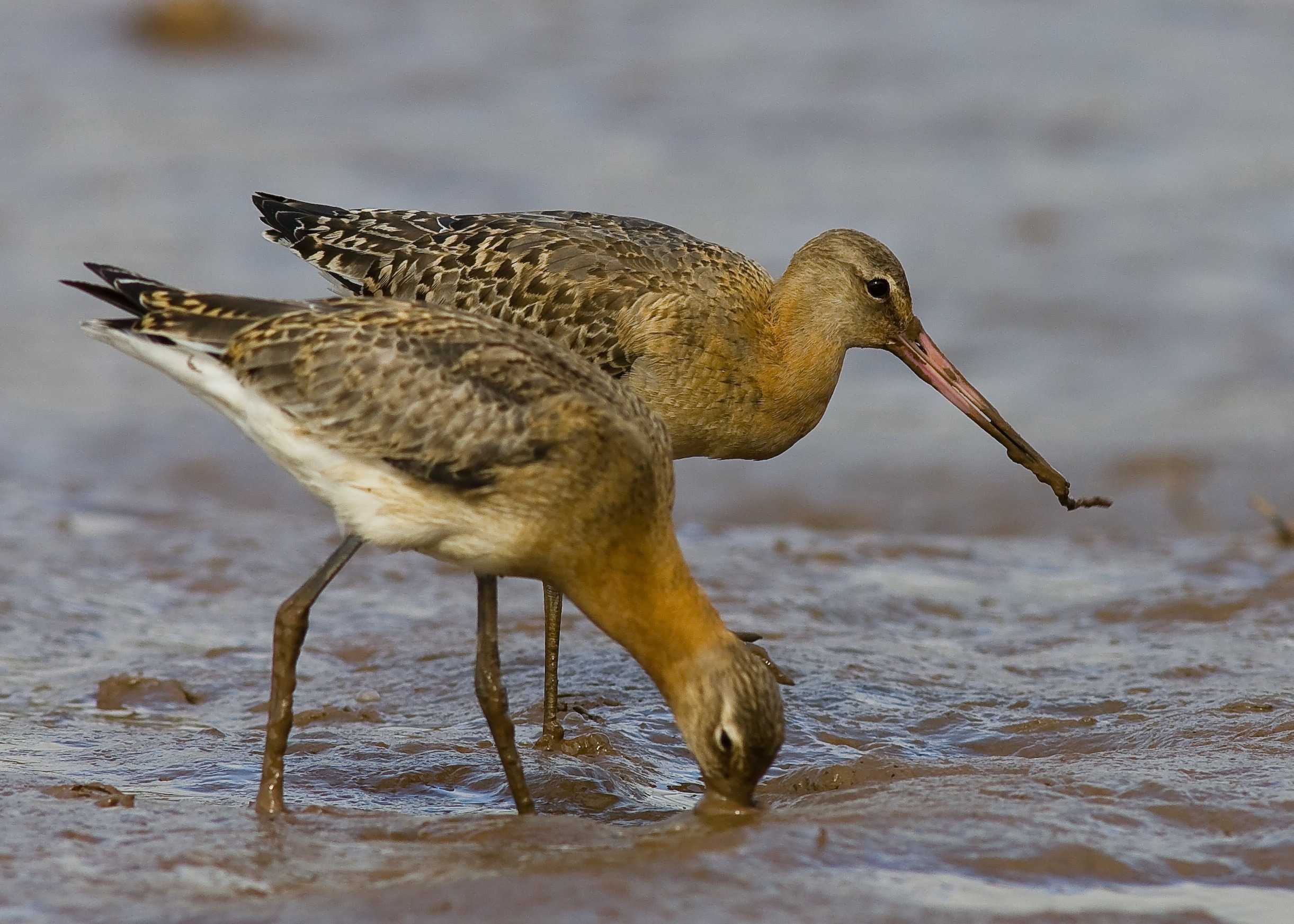
I found it really interesting to see how they were feeding alongside other large waders, in particular Curlew who were feeding mainly on small crabs which meant that there was no conflict between the different species.
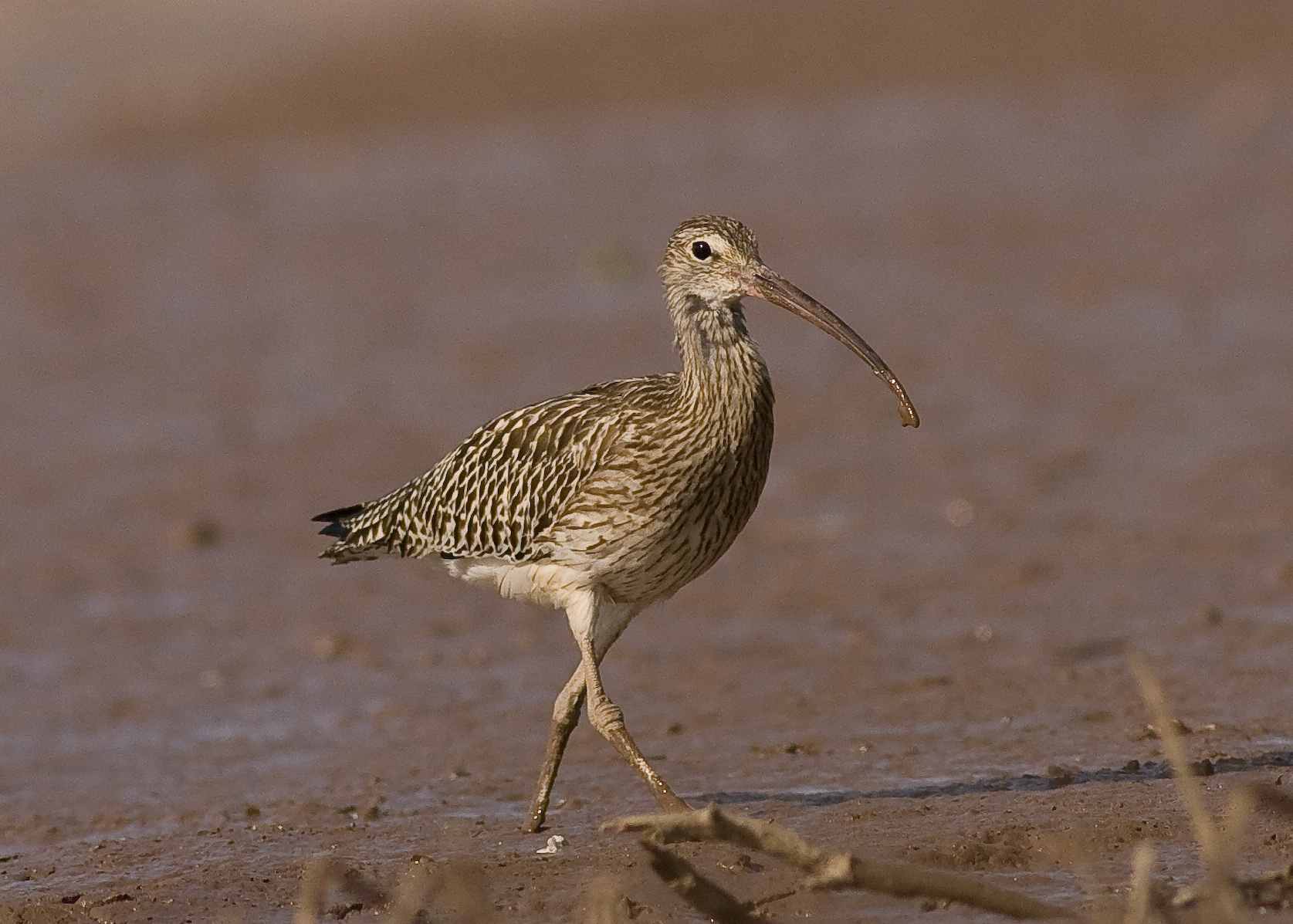
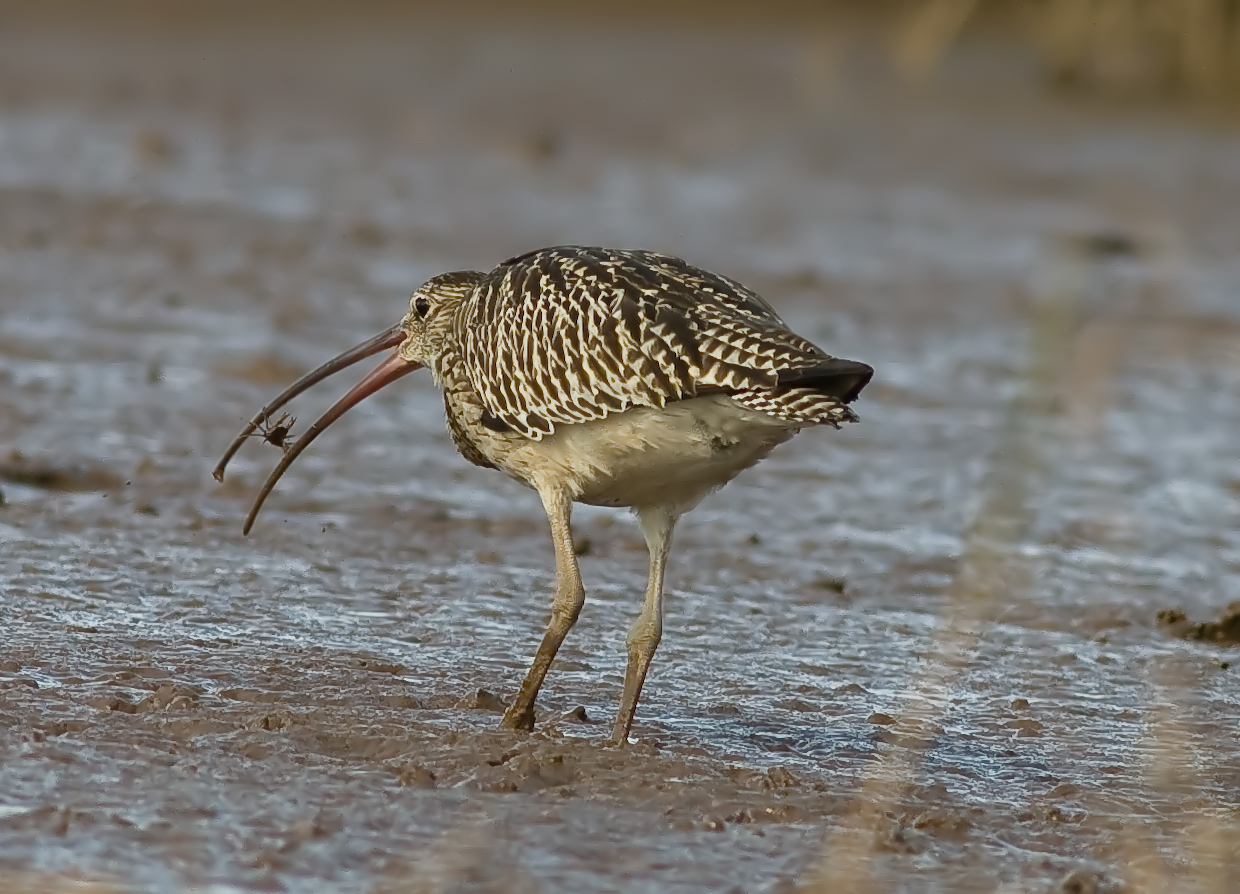
This area is also a good place to spot Little Egrets who are a beautiful addition to our list of British Birds. Now very common here in Devon. They were feeding on the small fish in the shallows, again not in conflict at all with the waders.
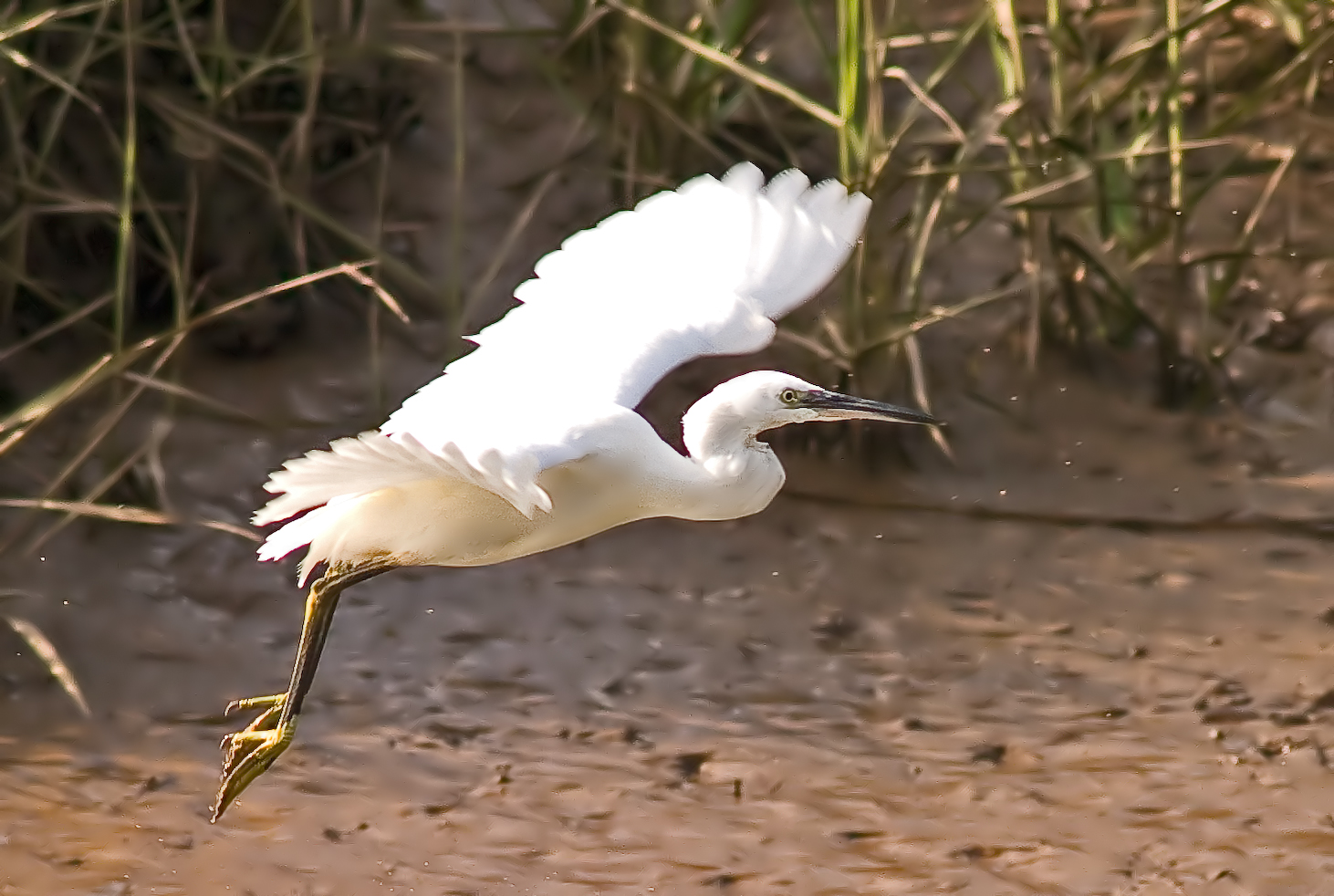
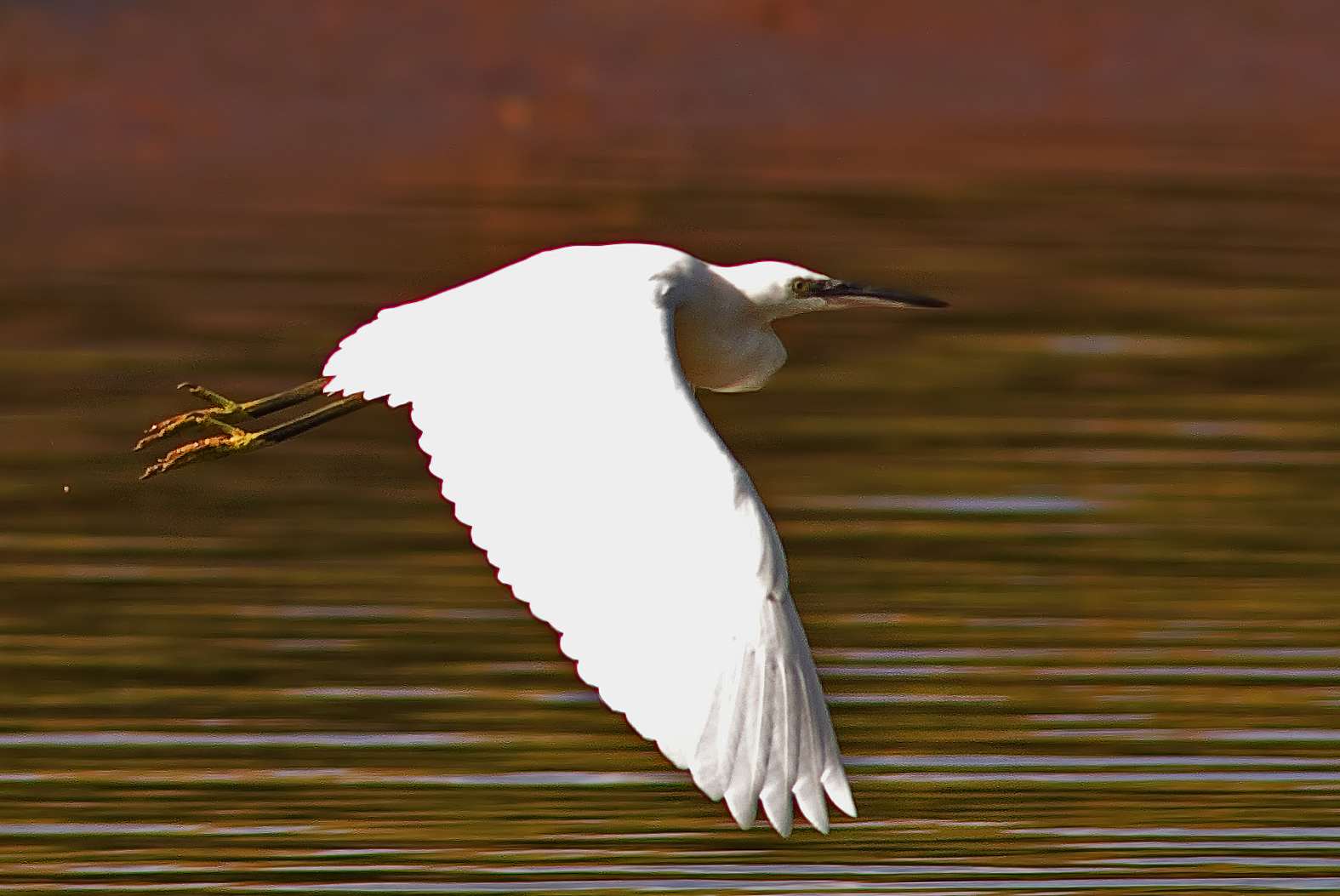
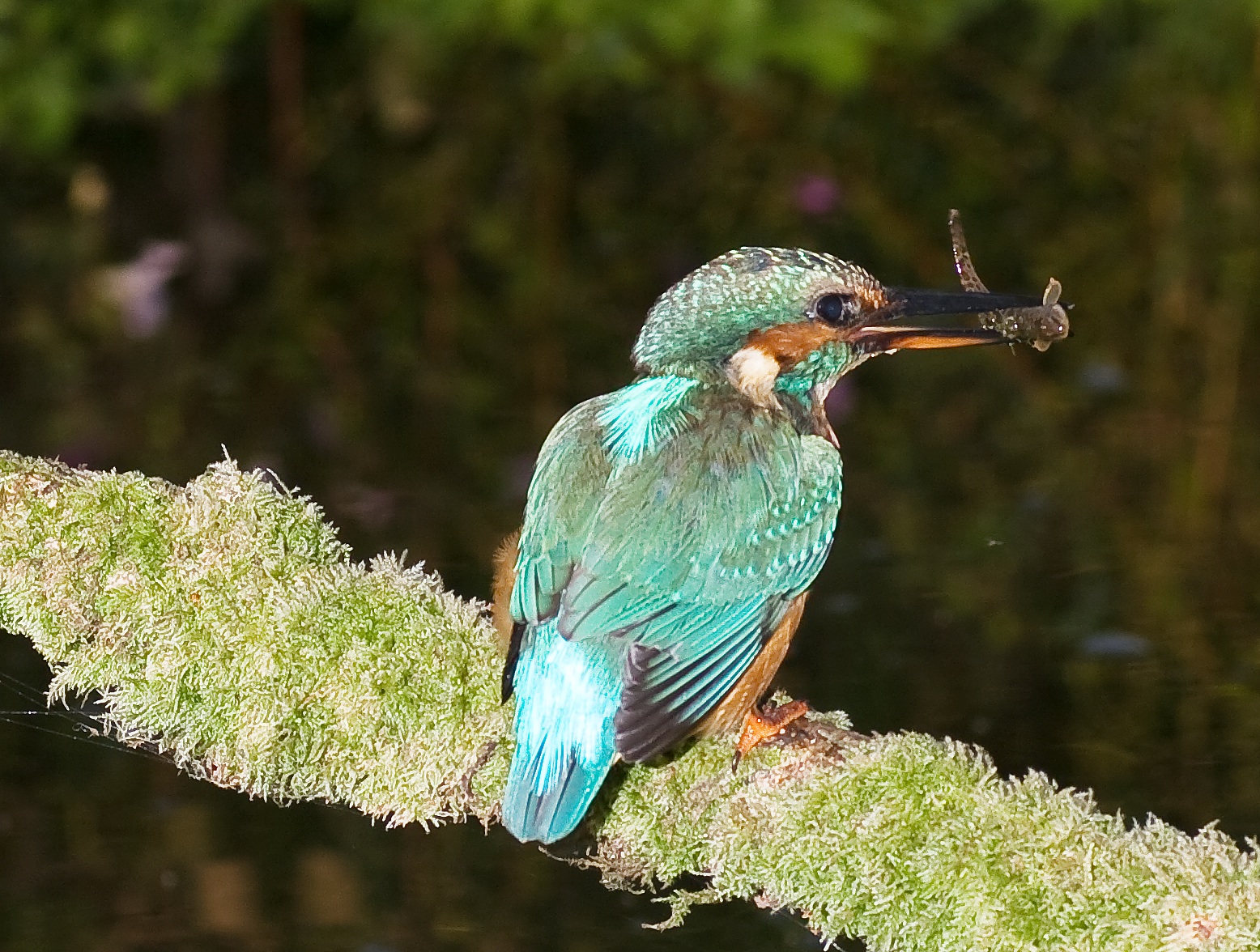
As if all this isn't enough, I also had a nice Kingfisher encounter early doors and here is one from that, taken with a flash just before it was bright enough to get a good photo without. She was eating a loach, the first time I have seen this bird with one of these.


Leave a Reply