
Today's adventure was ringing. A mixture of interesting hands on bird experiences, intense learning and observations, coupled with 4 hours in the company of two of Devon's most experienced,knowledgeable bird ringers/ornithologists. These men are real scientists with University degrees in the subject. What a privilege to have the opportunity to listen to people with an intimate depth of knowledge about my favourite subject, and theirs! What fascinates me is the way lots of theories, spoken of as the oracle by "ordinary"bird watchers, concerning sexing and identification, are blown out of the water when you are in the presence of real scientific ornithologists. Every detail of seemingly common birds and some a little rarer and therefore special are discussed. Nothing is taken for granted and even birds that at first glance, even in the hand appear to be one sex can, and often do turn out to be the opposite on closer scientific examination. Willow Warblers end up as Chiffchaffs for example but not today as that would be very unusual in the depths of winter, (Chiffchaffs are known to over-winter in Devon however).
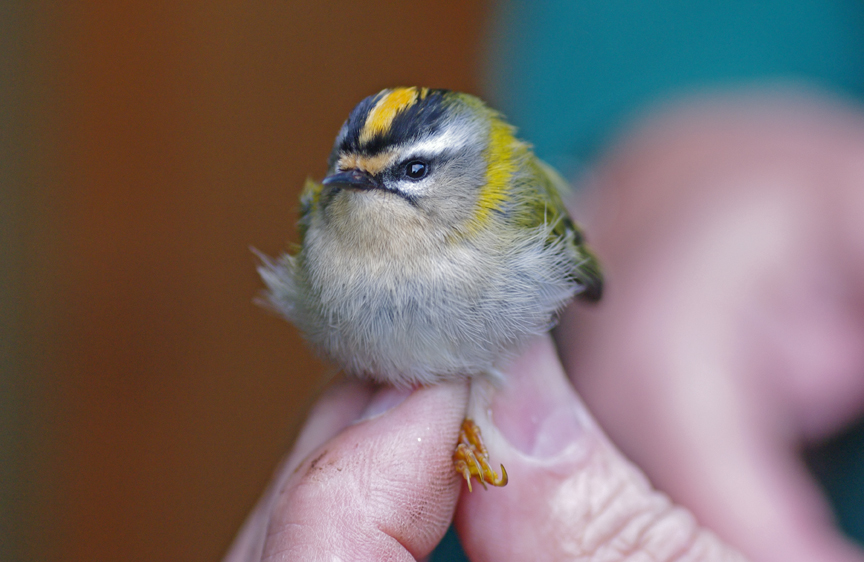
The highlight of today's 100+ ringed birds was this wonderfully special Firecrest. A lifetime event for me. I have seen them before on two other occasions but never from 6 inches away! This one is a female.
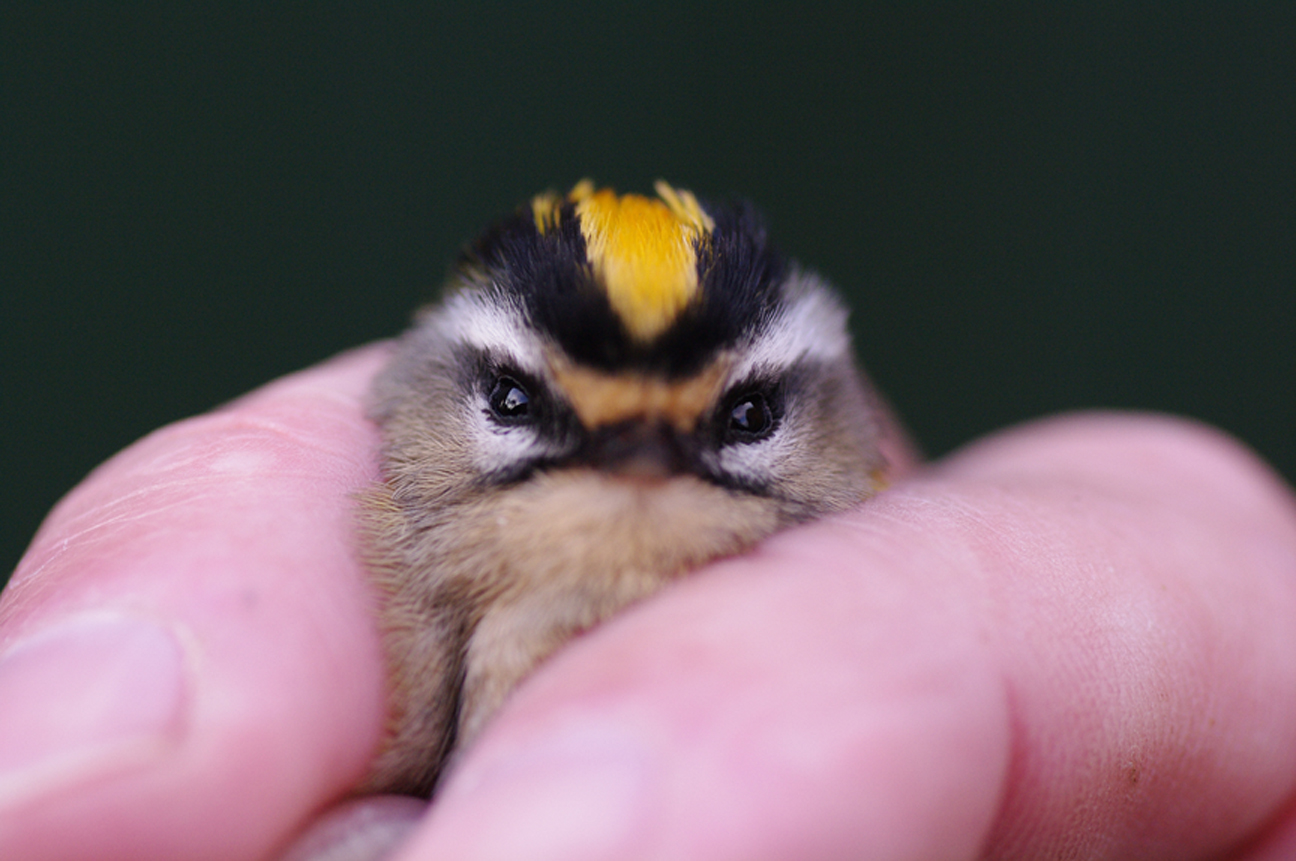
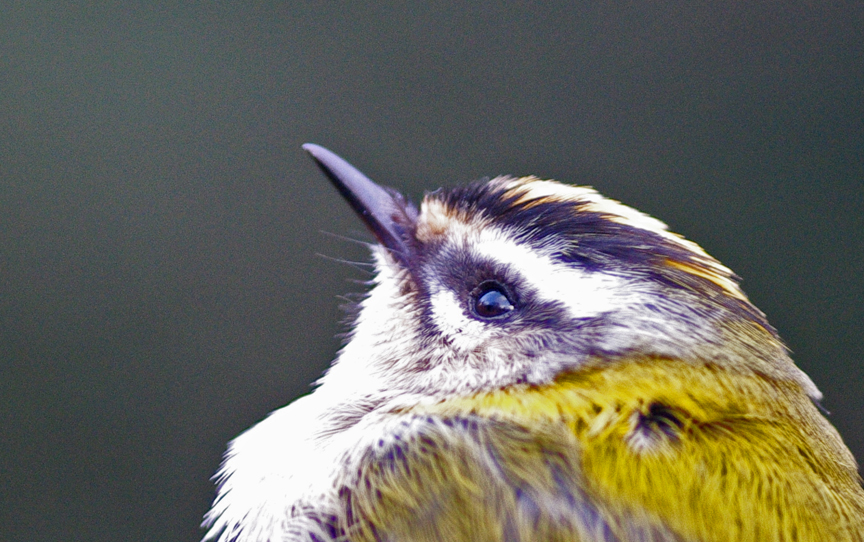
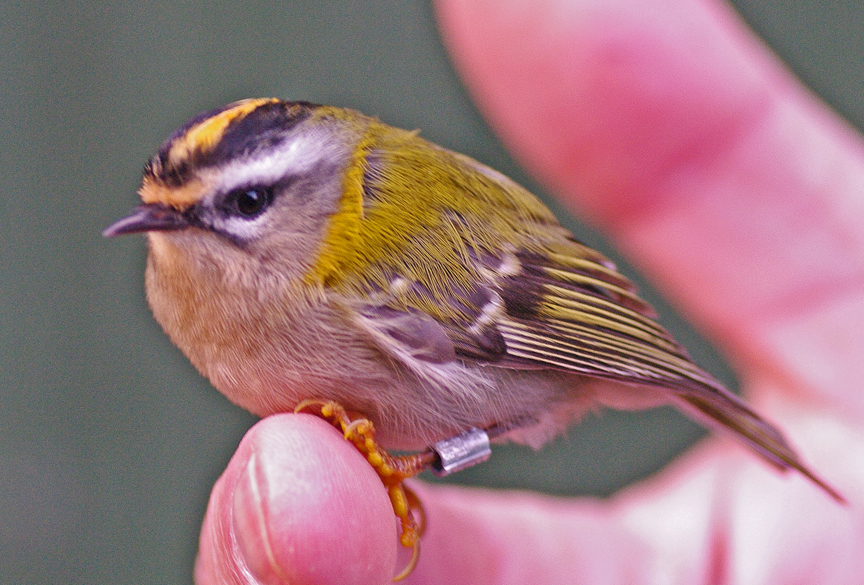
I had to post this as a reduced sized image because unfortunately the quality is not quite as sharp as it should be but well worth posting for you to have a look at now sporting her brand new ring.
I think it is worth mentioning that on the RSPB web site they mention that there are around 250 breeding pairs of Firecrest in the UK but their numbers for over-wintering birds is 0. I would suggest that this can't be accurate and the population of Firecrests seems to increase here in Devon in the winter. I would be grateful of any comments on this subject.
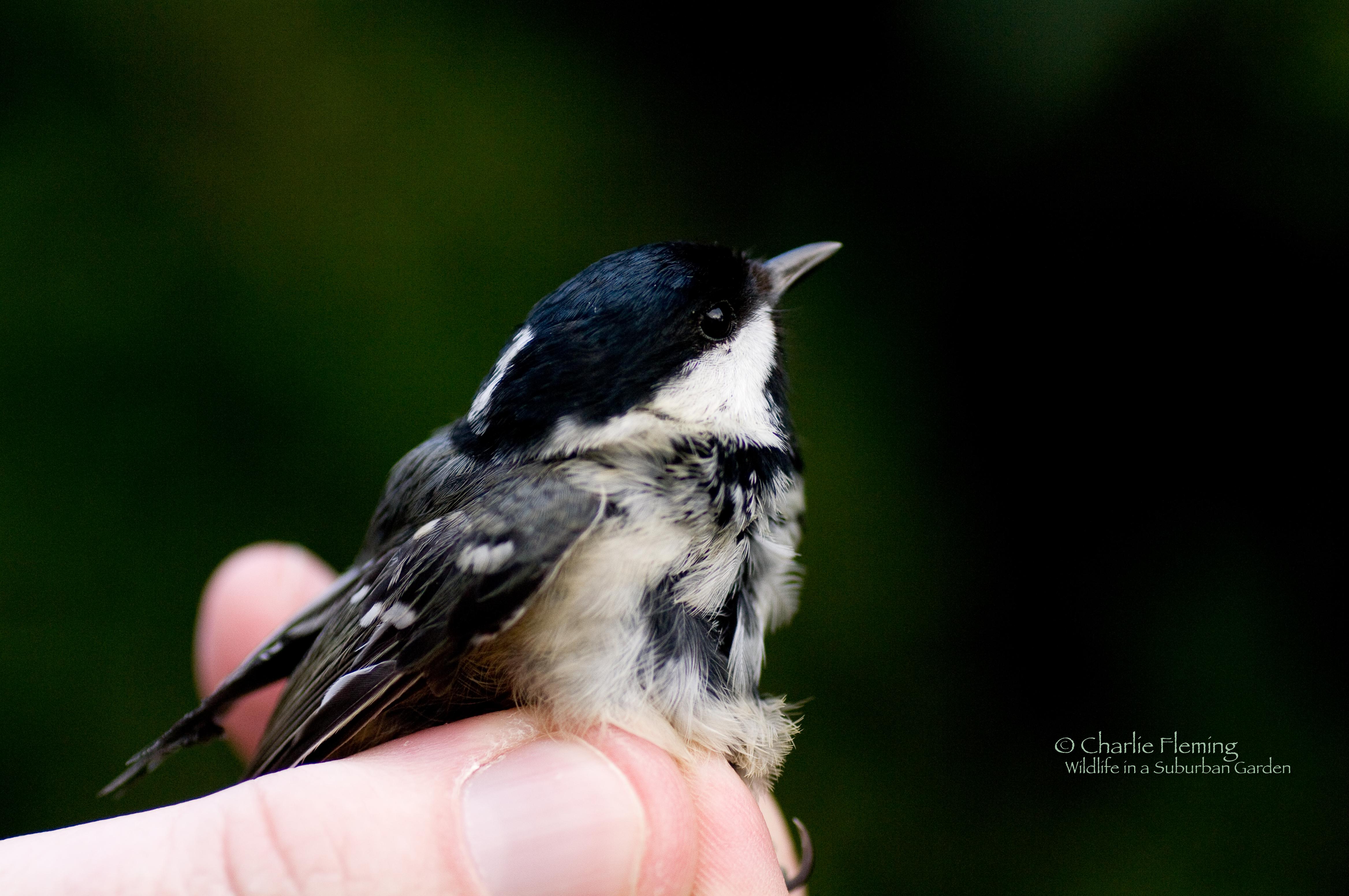
This is a Coal Tit from the same session.


 Wildlife in a Suburban Garden
Leave a reply to Charles Fleming Cancel reply