
An update to this post.
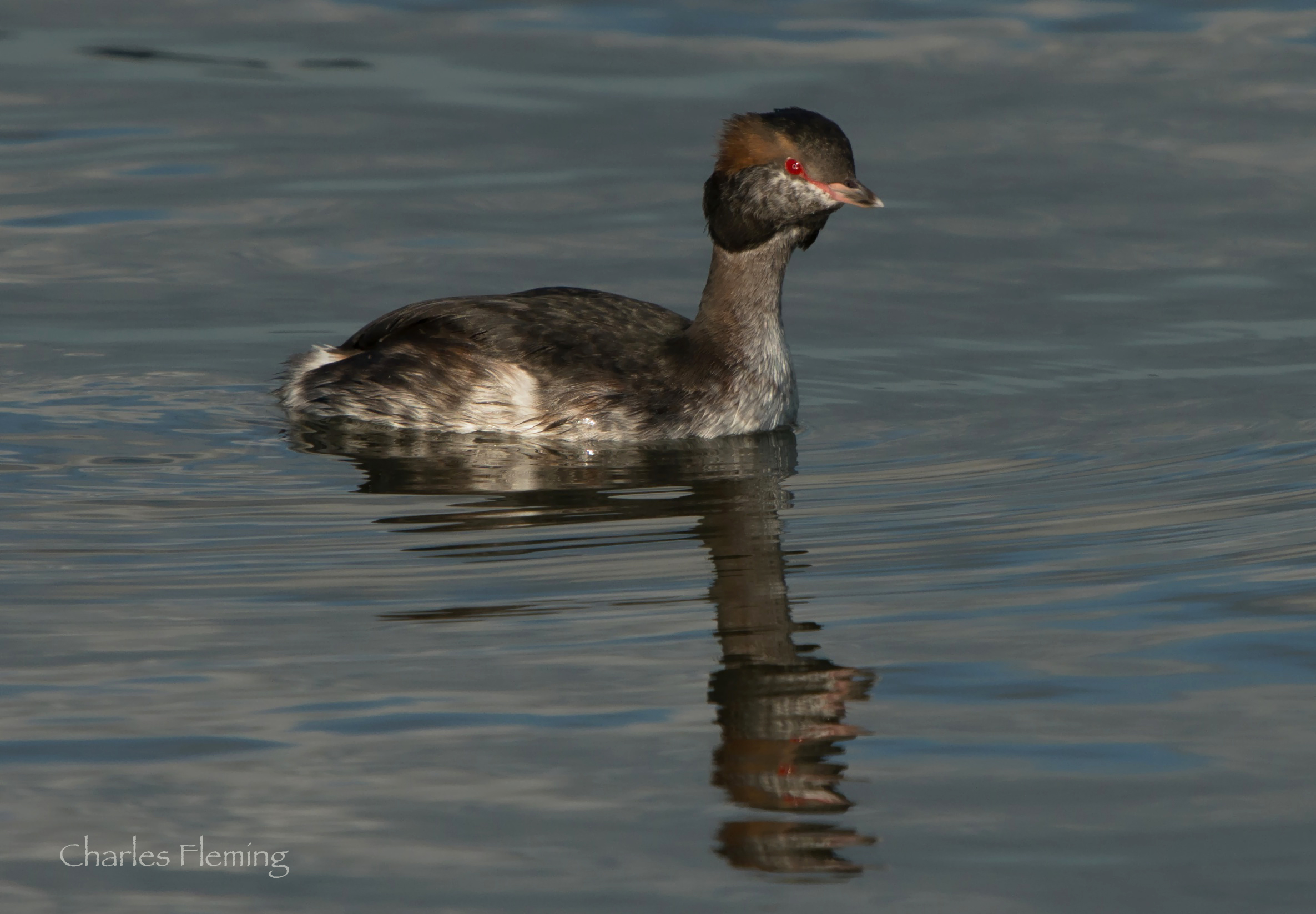
We went back to Cockwood yet again on Friday just to see if I could get a better photo of the Grebe with the high tide coinciding with a nice early evening. The right combination offside and late afternoon sun won't be here for another couple of weeks and who knows, the weather may not be suitable then. As soon as we arrived I could see that it was very close in and I hoped that it would stay once we had sat down on the sea wall. It didn't initially like us being there and moved off slowly but surely, it wasn't long though before it came back in though and with the sun shining nicely I managed some really nice photos – slightly clearer than yesterday, there is no substitute for getting close to your subject.
Here is some information I have gleaned fro internet searches.
On 18 Feb 2007 this Slavonian Grebe was was picked up on the tideline and taken into care after the oil spill from the MSC Napoli. It was rehabilitated and released back on to the Exe on 15 April. It remained in the estuary until 5 November that year, although it was absent for a while in the middle of the summer. It was not seen back in the estuary until 30 April the following year (2008). Since then, it has remained and it has rarely been absent for more than a few weeks. One wing is reported to be damaged but it didn't appear to be damaged when I saw it stretch it's wing yesterday? Apparently it does not ever quite reach full winter plumage and it moults back in to breeding plumage early in the winter. In early 2013 it moved up the estuary and lingered at Topsham and then returned back in late April of that year. Since then, I have not been able to find any more information.
A quote from the RSPB which does not mention grebe or divers stated that on 23rd January 2007 that 200 gulls and 900 guillemots had been found suffering from the effects of oil, some as far away as Torbay, roughly twenty five miles from the site of the wreck. Animal rescue teams battled to save as many birds as possible.
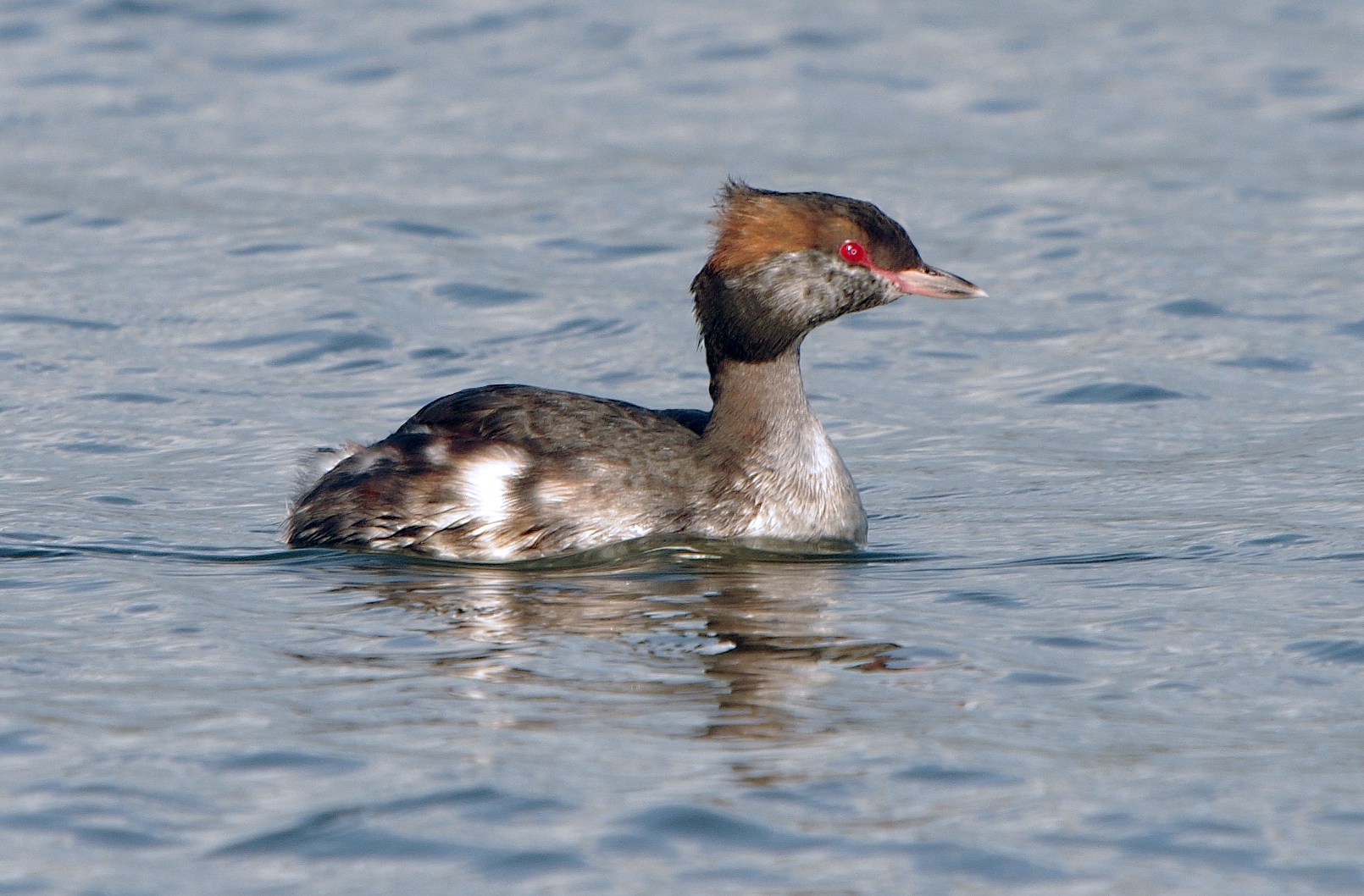
Back at Cockwood yesterday, I went to see if the Slavonian Grebe was performing close in again. For a good photograph there needs to be the correct combination of high tide, sunshine and an absence of disturbance which then gives the grebe the confidence to come to the fresh water that flows in to the estuary from the harbour. The only time when the conditions are perfect is at the end of the afternoon just when the tide is fully in and the sun is low.. The sun floods from behind and on to the estuary, the water is flat and calm and then if the bird comes close, there is a good photo opportunity. I find it odd that this bird is largely ignored by the majority of birders locally. It just gets a mention here and there in comments which usually refer to it as "the long staying" Slavonian Grebe or something similar. No one seems to make an effort to photograph it or record it's presence. I think that it's story is a remarkable one. It's been here, both summer and winter for at least 9 years and probably longer. It was taken in to care as an exhausted migrant sometime before 2008. It made a recovery and was then released back in to the estuary where it has remained since. It's pattern of migration was interrupted and it has therefore, remained here through the seasons since. It is a single, quite sad, lovely and lonely individual who, since its re-release has not bred or interacted with any other member of it's species. It moults from glorious summer breeding plumage,e complete with golden "horns" – in the US they are called Horned Grebe" – back in to dapper, smart black and whites only to turn back in to breeding finery again in spring when the black is replaced by reddish brown. I have never seen it fly, I wonder if it is capable? This may explain it's faithfulness to the area. It is extremely mobile on the water and paddles against the incoming tide with ease. It is not particularly concerned by human presence but will move steadily away to a safe distance if people are present on the harbour wall. I plan to try to photograph it regularly this winter and in to spring to record it's plumage change at the very least. I will also make an effort to watch it feed. In the past I have seen that it takes pipefish but it would be interesting to get some more photos of it with prey.
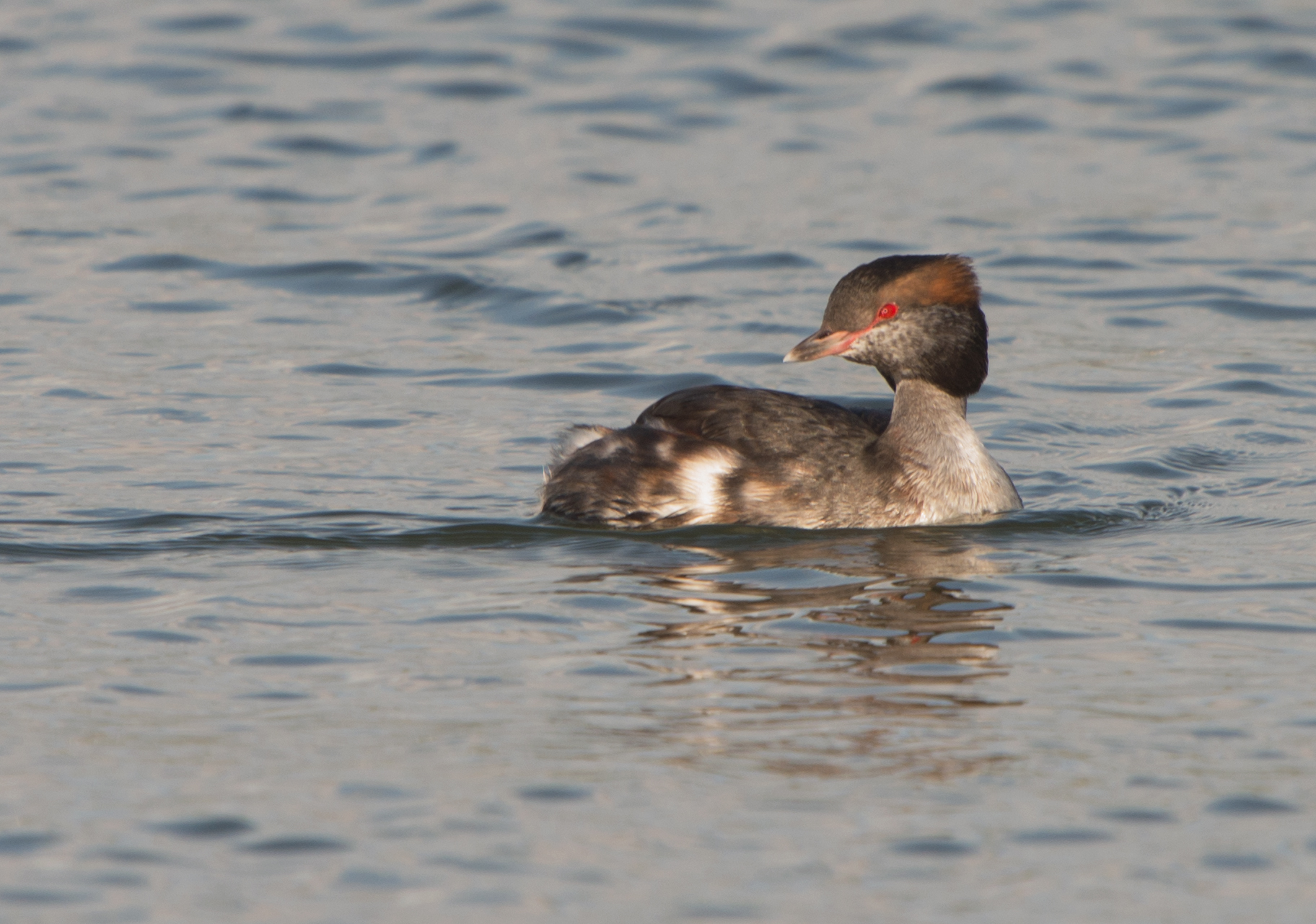
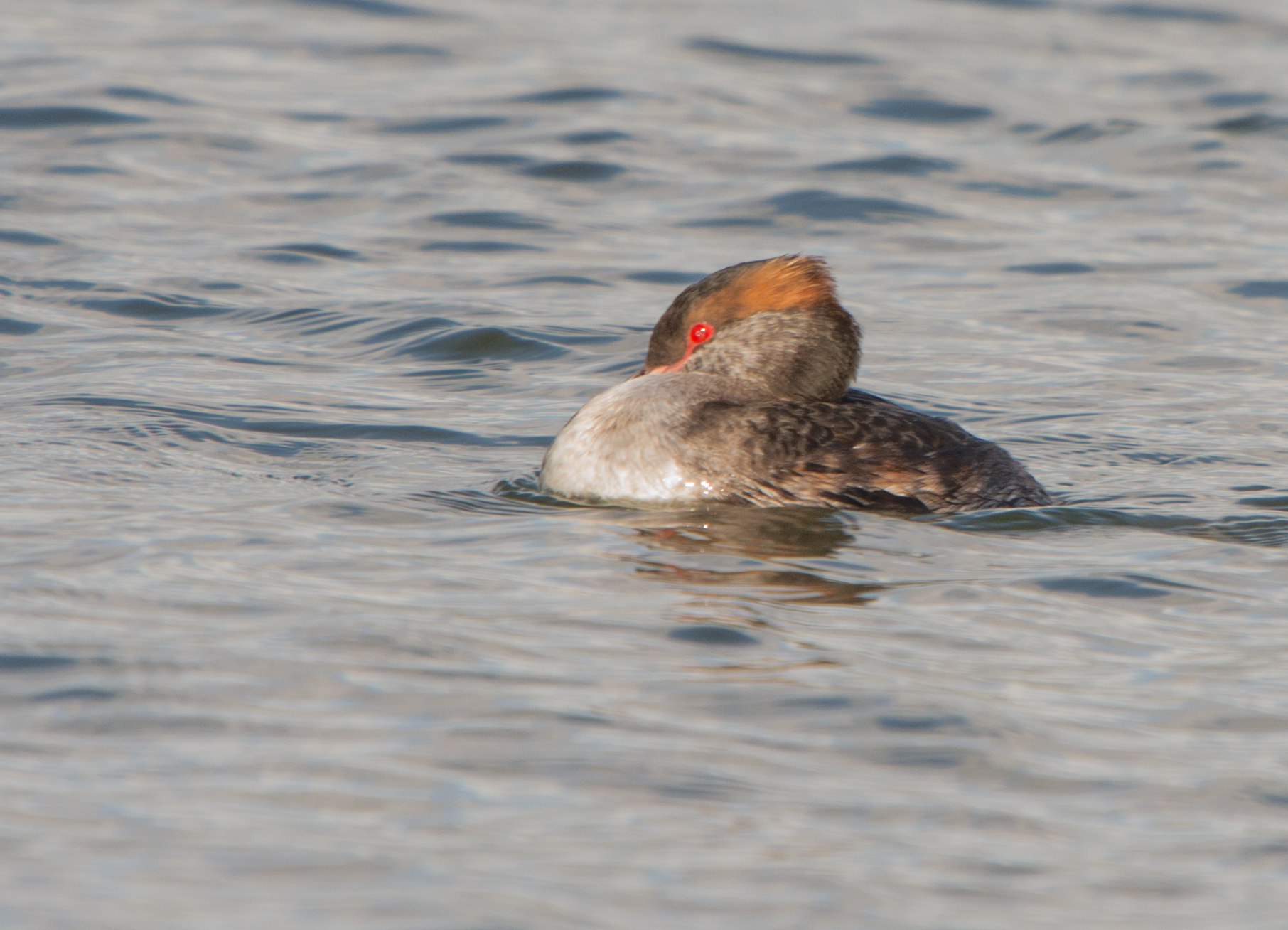
In the meantime, I did manage some slightly better photographs yesterday before it drifted slowly away and out of camera range. Here it sleeps on the water which is what it does, I am not sure that it has ever been seen on land either. So many unanswered questions about this bird and like I have said, no one seems to want to know the answers.

 Wildlife in a Suburban Garden
Leave a comment