
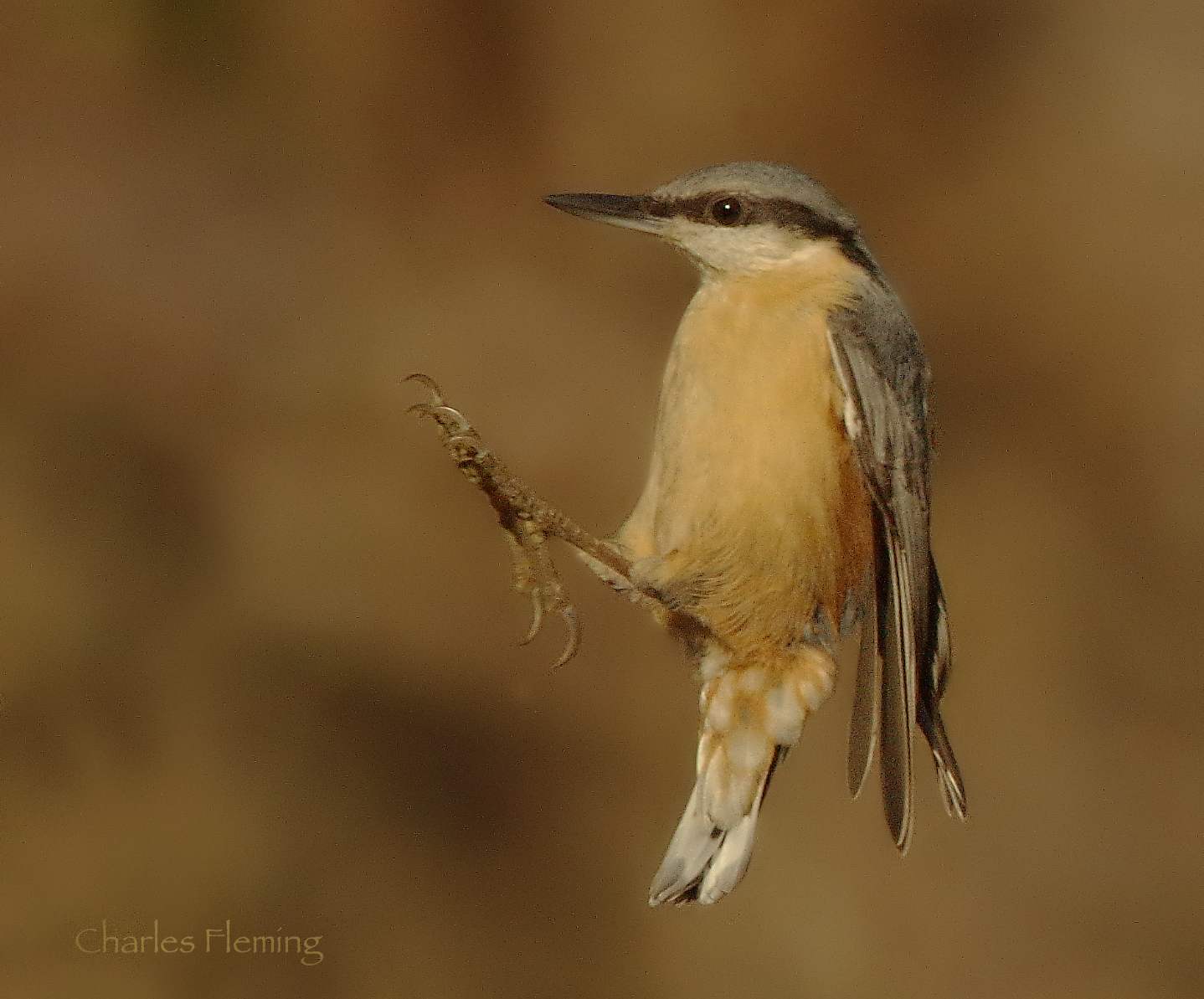
At last I had some success photographing Nuthatches in flight yesterday. I now know that the best way to get some good results is to cover all the bases so to speak. I've said before that you need a very fast shutter speed and it seemed yesterday that only 1/4000 was fast enough, anything slower and you run the risk of some blurring. As well as that you require a reasonable depth of field, by that I mean extend the focal point rather than an exact spot because you do not know exactly where the flying bird is going to be. Any deviation from the focal point by even a fraction of an inch will mean that the image is not in focus but choose a large numbered f-stop and this can be eradicated because the camera will be sharp for a less precise spot if this makes sense. To get both of these critically important settings you need really good light and as well, choose an ISO setting which is higher than you would normally. One other factor that is important is to under-stop your exposure because with the bright sunny conditions that are required, any white areas of a bird will be burnt out This is because white areas will reflect the light rather than dark areas. However if you under-stop too much then the entire image will be too dark. As you can see it is quite a hard task to get all of this correct. So the first thing you need is a good sunny day and the sun coming from the correct direction, that is with the sun over your shoulder and flooding on to the subject. Oh, and did I mention the other thing? A bird to photograph and hopefully coming to your feed regularly. One of the big down sides to all of this is the ISO, this is the sensitivity of your camera to light. If you choose a high ISO you will not need so much light to achieve the high shutter speed and f-stop required. Job done you would think but you would wrong because images taken with high ISO numbers are very grainy which detracts from the detail of the subject as well as creating small dots – called noise – all over the image. You want to avoid this as much as possible and there are a few ways that can help. Adjust the contrast on your camera settings so that the speckles are not so contrasted, make sure that your image is not too dark, the dots don't show so much with correctly exposed photos and in addition if you shoot your photos with a small file, say only 6 or 10 mega-pixels then there are less pixels and hence, less speckles and dots. So having given all of this loads of thought I had all my bases covered, the day was sunny and I had Nuthatches coming constantly to the peanuts. It wasn't a case of just turning up with a few peanuts and hoping for it to work. I had prepared and set the feeding station up a few days previous and the birds were waiting for me to re-stock. I took hundreds and hundreds of pictures, 98% of them were discarded and amongst them were a few that were really good.
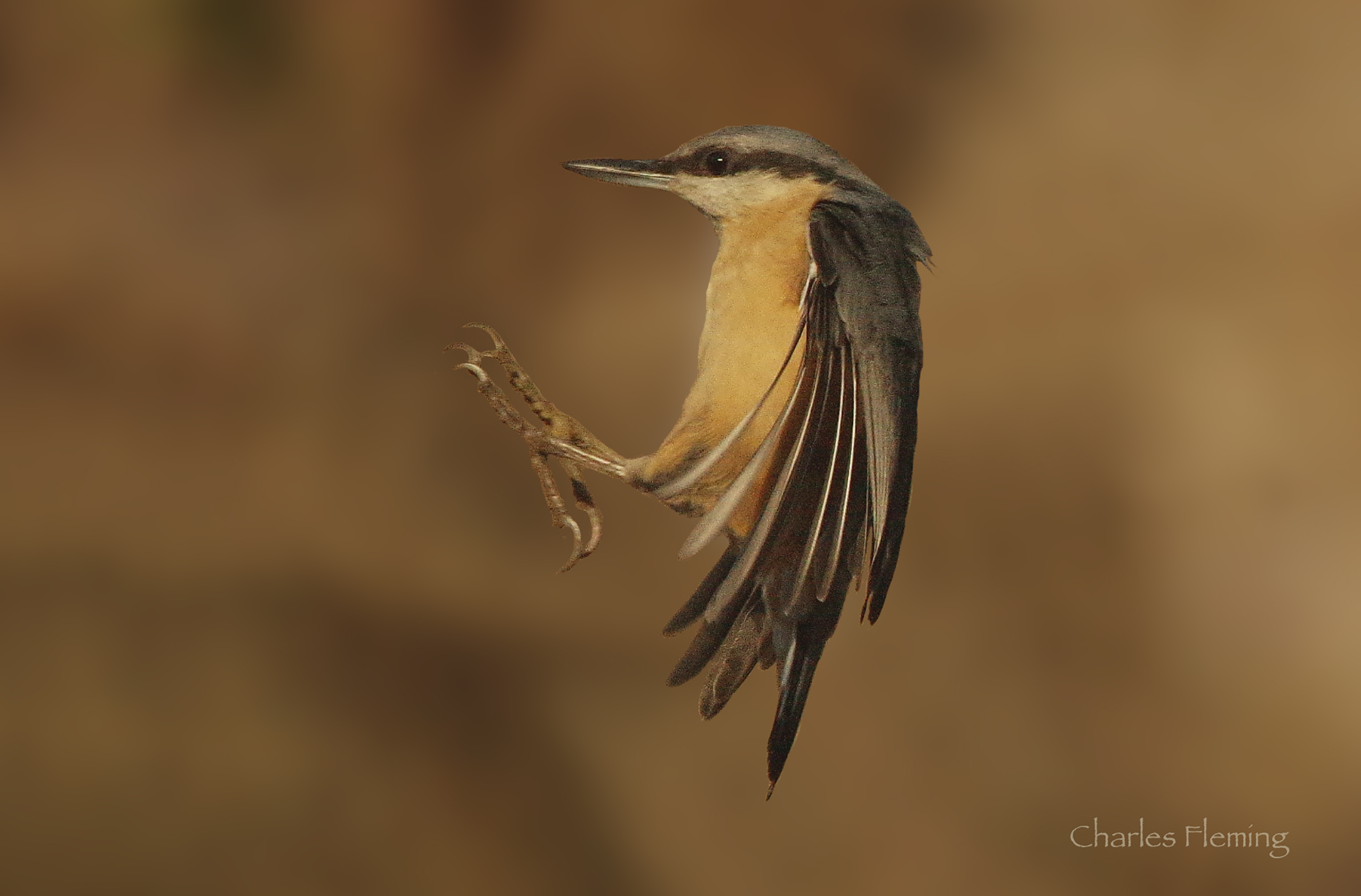
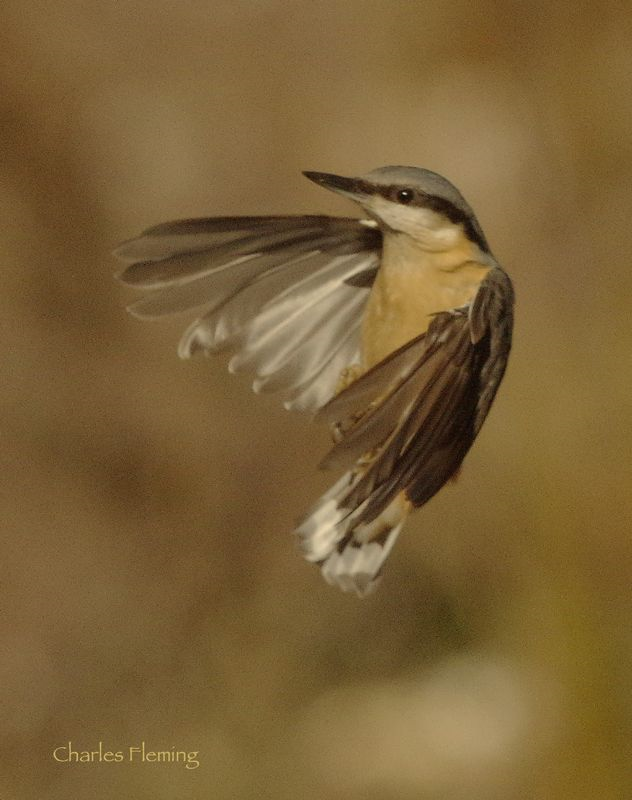
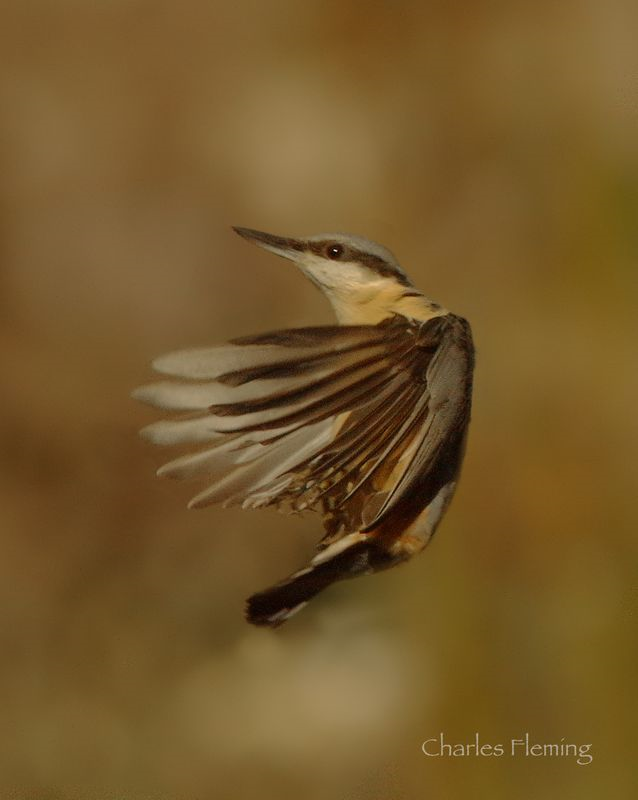
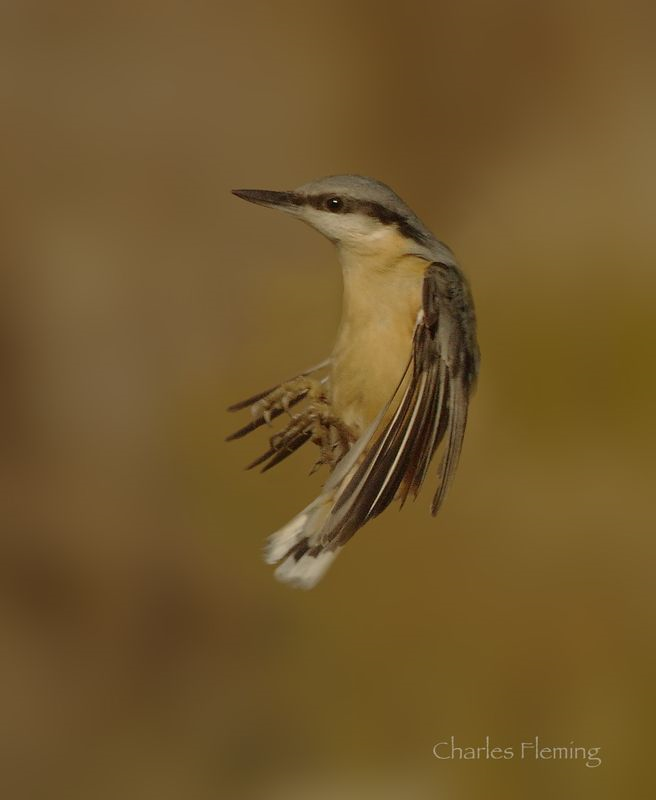
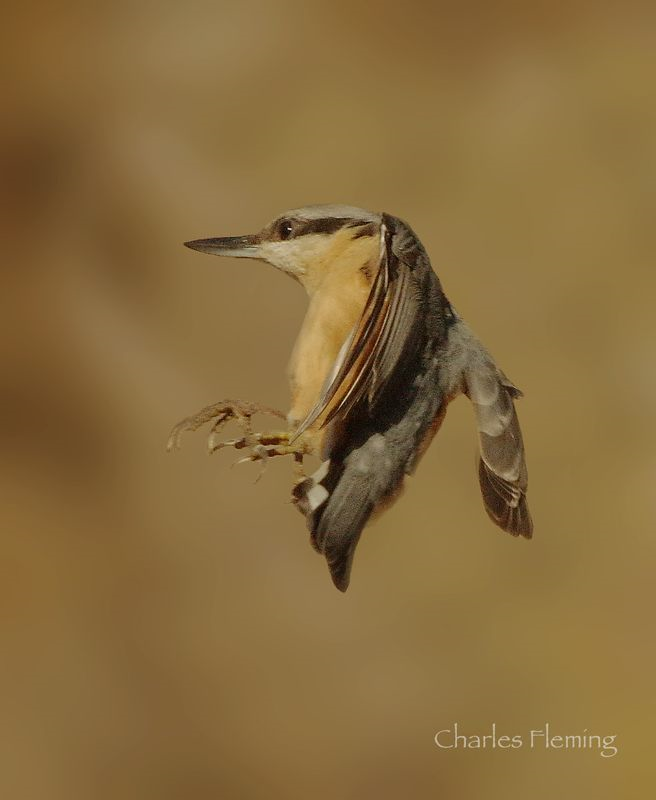
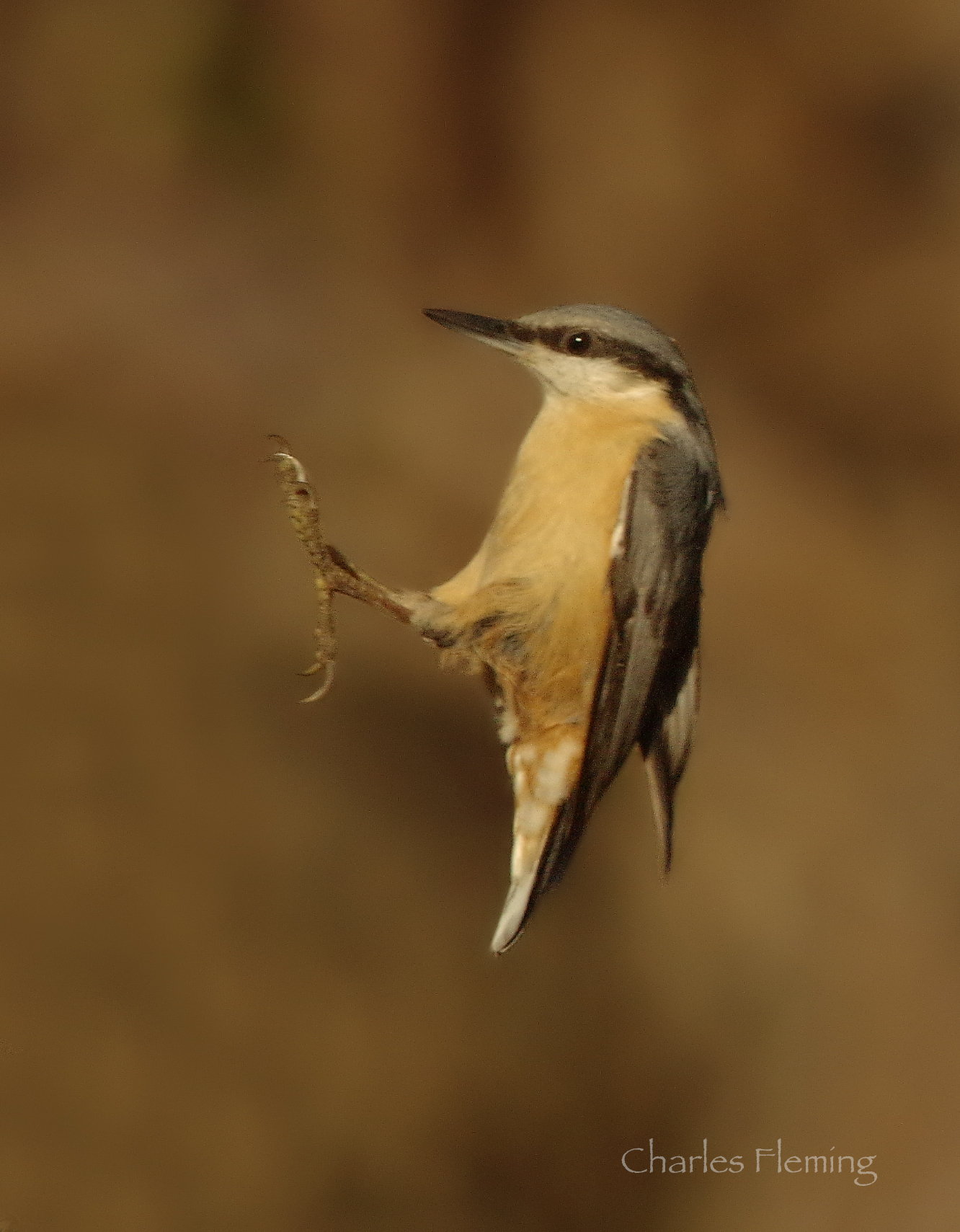
So there were have it, 7 good images that I am pleased with. I am sat here this morning writing this because the weather is dull today, definitely a day when I can achieve all the factors I spoke about above.
 Wildlife in a Suburban Garden
Leave a comment