
There hasn't been many posts here this last week because I haven't had as much success as normal. I have missed lots of other good birds in Devon as well as I have been concentrating on getting the very best photographs of Peregrines, Kestrel and – really unusually – Stock Dove…… Stock Dove I hear you ask? But more about that later. I have enjoyed my stake outs at my hide though but this has stopped me photographing other birds and then when you don't have any success it seems like a lot of wasted time. Both yesterday and today for example, I spent a total of 6 hours sitting waiting for a bird to land on the old oak tree but it was a total failure, worth waiting for though because every bird that I have photographed from this hide and in this tree previously has been absolutely wonderful. There are still Peregrines in the territory and I have seen them on avery trip recently but in spite of a lot of patience, not on the Oak Tree. However, it's no hardship sitting comfortably in the hide listening to the woodland birds half listening to the radio (with headphones) and all the while hoping and half expecting an amazing bird to land right there in the perfect spot.
Just a bit about this image, beautiful with the different light.

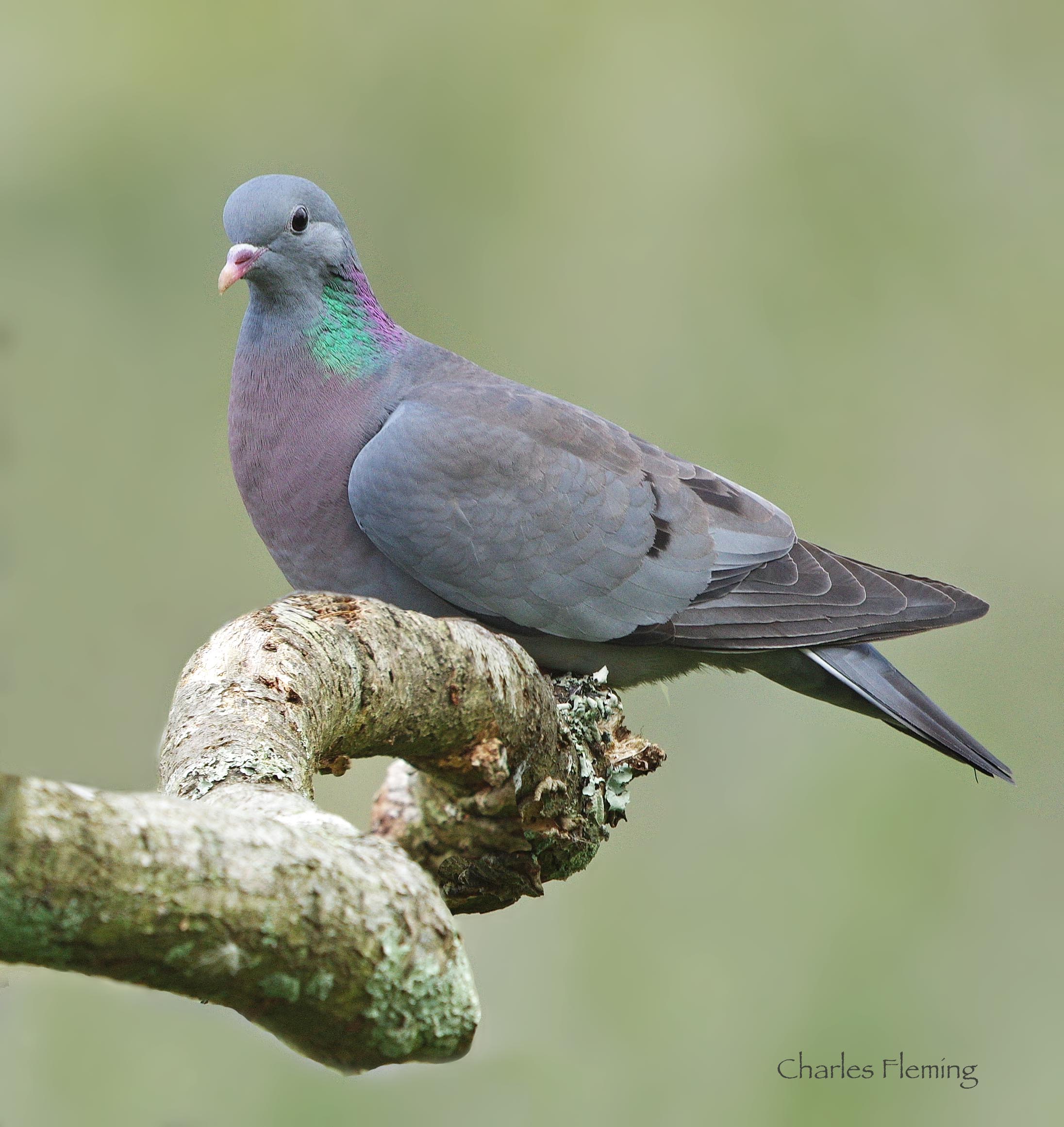
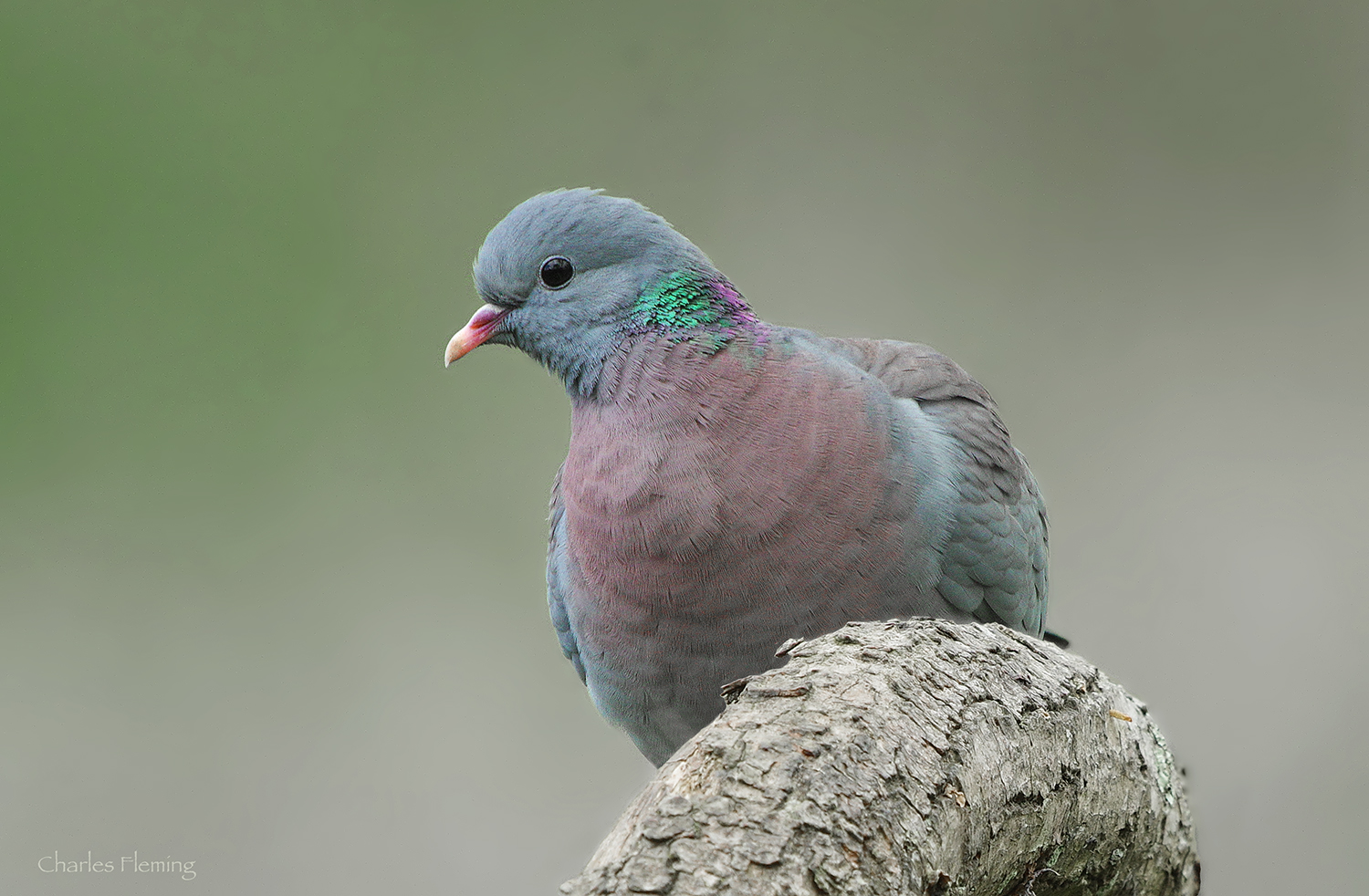
Now to Stock Dove. I was sat in the hide last week waiting for the Kestrels and hopefully, one of the resident Peregrines when suddenly a pigeon landed right where the birds of prey like to land. I was expecting it to be a Wood Pigeon because I have seen them there several times but I was wrong and what a lovely surprise when I realised that it was a Stock Dove. This is a bird that I have only seen – with certainty – a few times in Devon and a couple of times in Yorkshire. This is a reasonably rare(ish) resident Devon bird that is probably under recorded though and perhaps more common than realised but in the UK, the population is thought to be around 260,000 compared to nearly 6 million Wood Pigeons so you can see, they are not common at all. It is to my eyes a pretty soft gentle looking bird with a a very distinctive colourful patch on the neck and a distinctive dark incomplete wing bar. Once you have seen a Stock Dove you will not confuse the species for the obviously very similar feral pigeon that are related to Rock Doves. That species has a white rump whereas the Stock Dove has a grey rump. Unusually the Stock Dove is a hole nesting birds that likes to use old oak trees apparently. That is unusual and it can't be that easy to find enough nest holes and for that reason they will use a nest box. I read somewhere that nest boxes put up for owls are regularly taken over by these pigeons. Half of the European population is found in the UK but like I have already alluded, while not being particularly rare, they are often overlooked. I have been back to my hide twice since I took these photographs and I have not had another visit which probably reinforces how lucky I was.
 Wildlife in a Suburban Garden
Leave a comment