
Day One, 8th January.
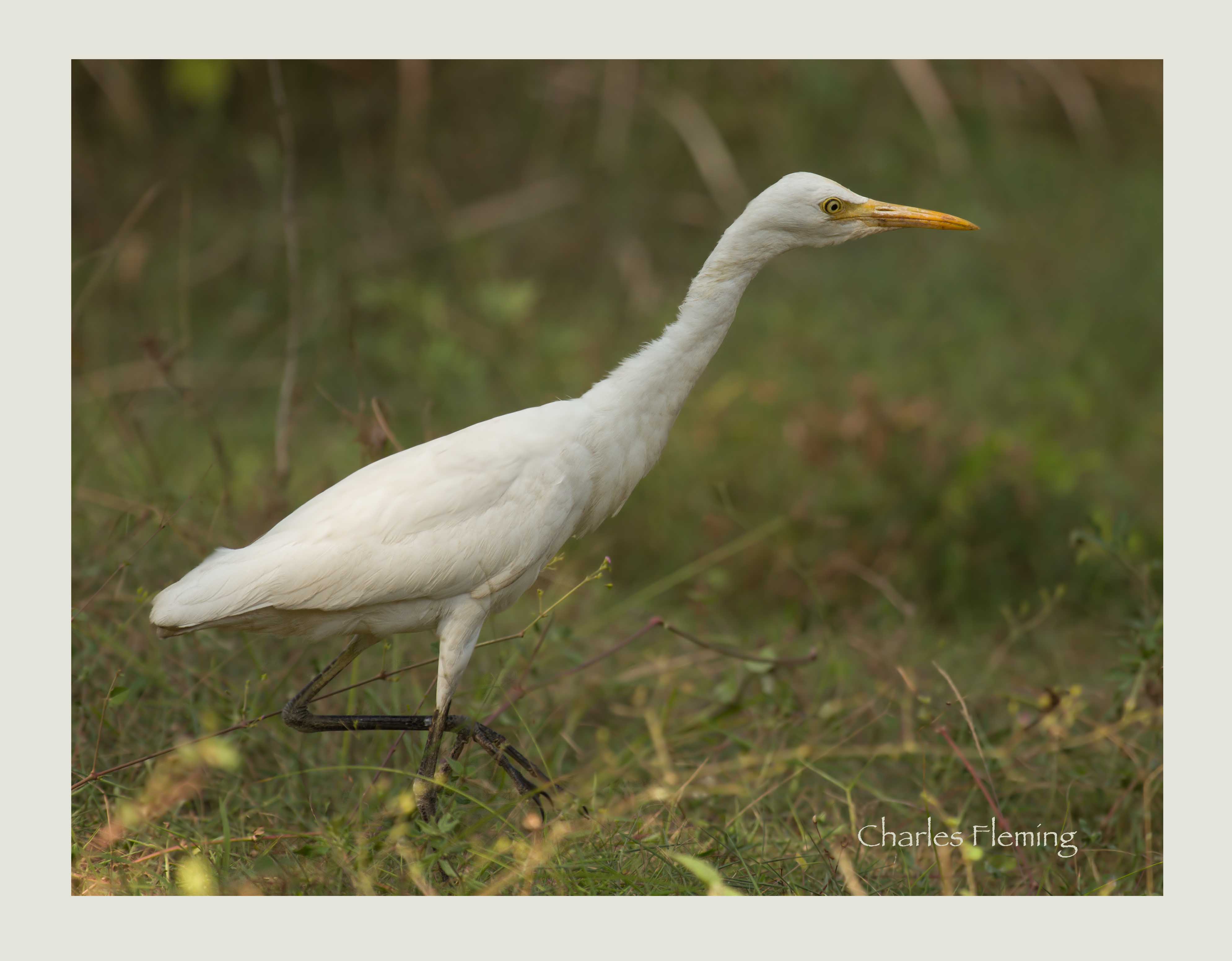
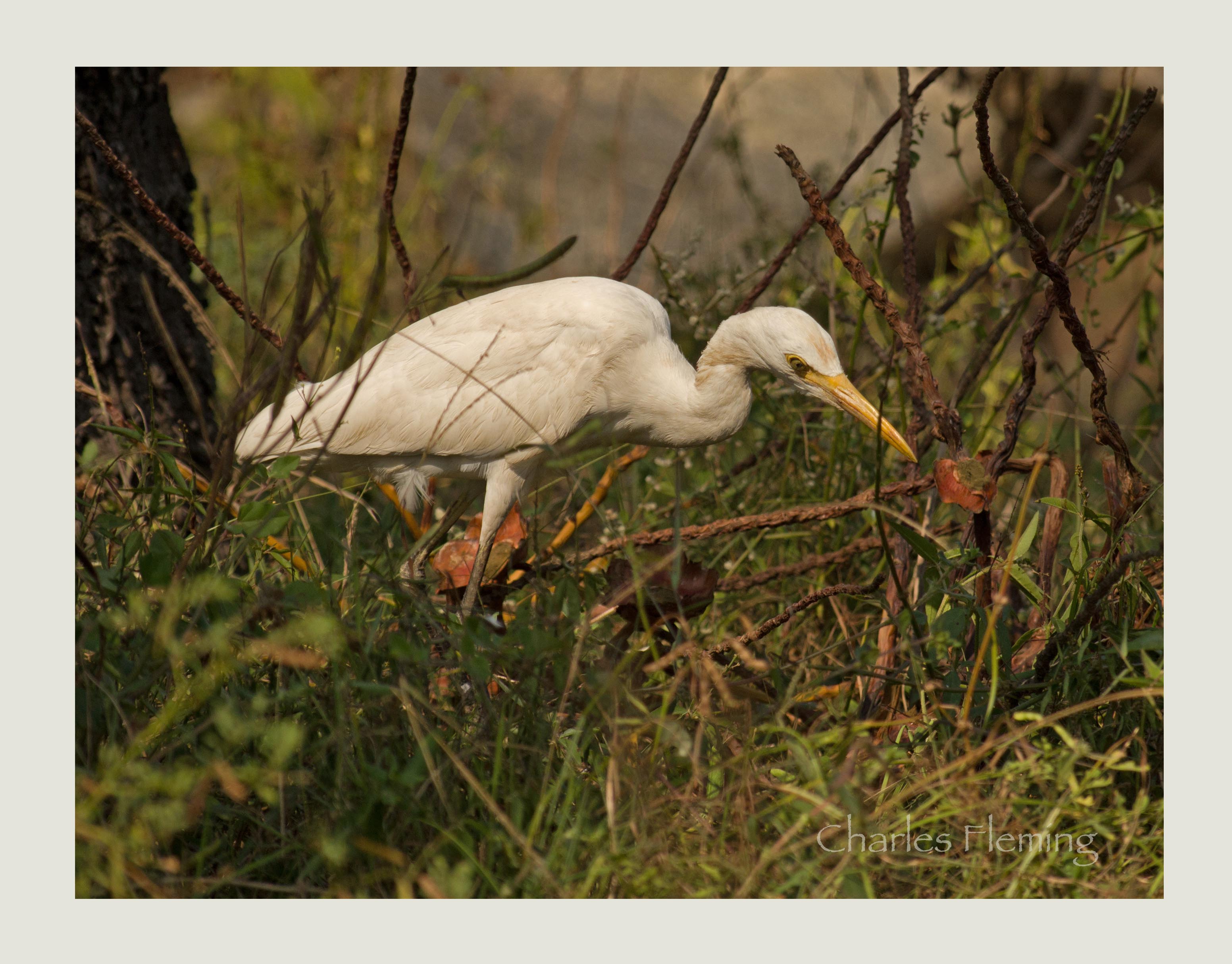
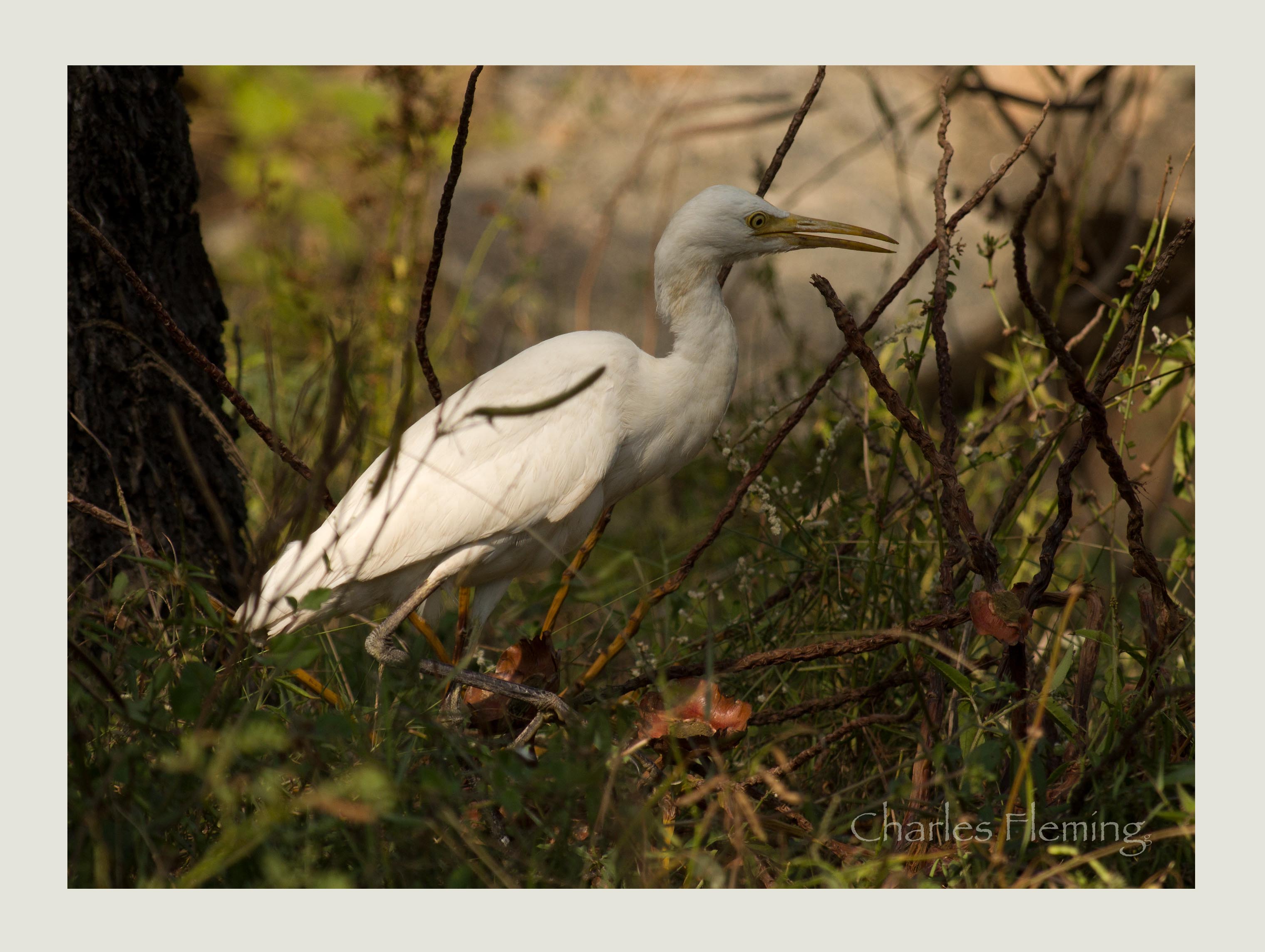
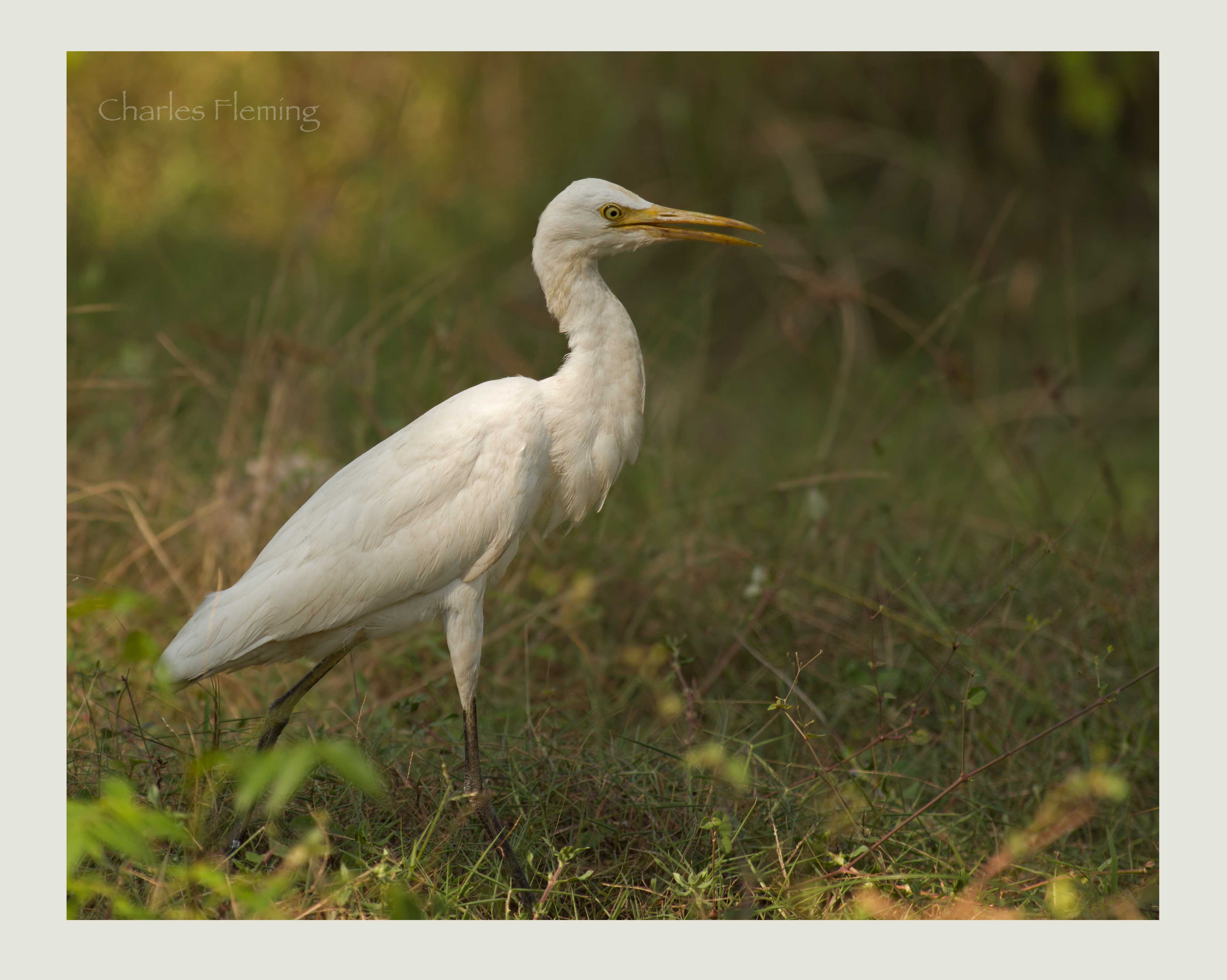
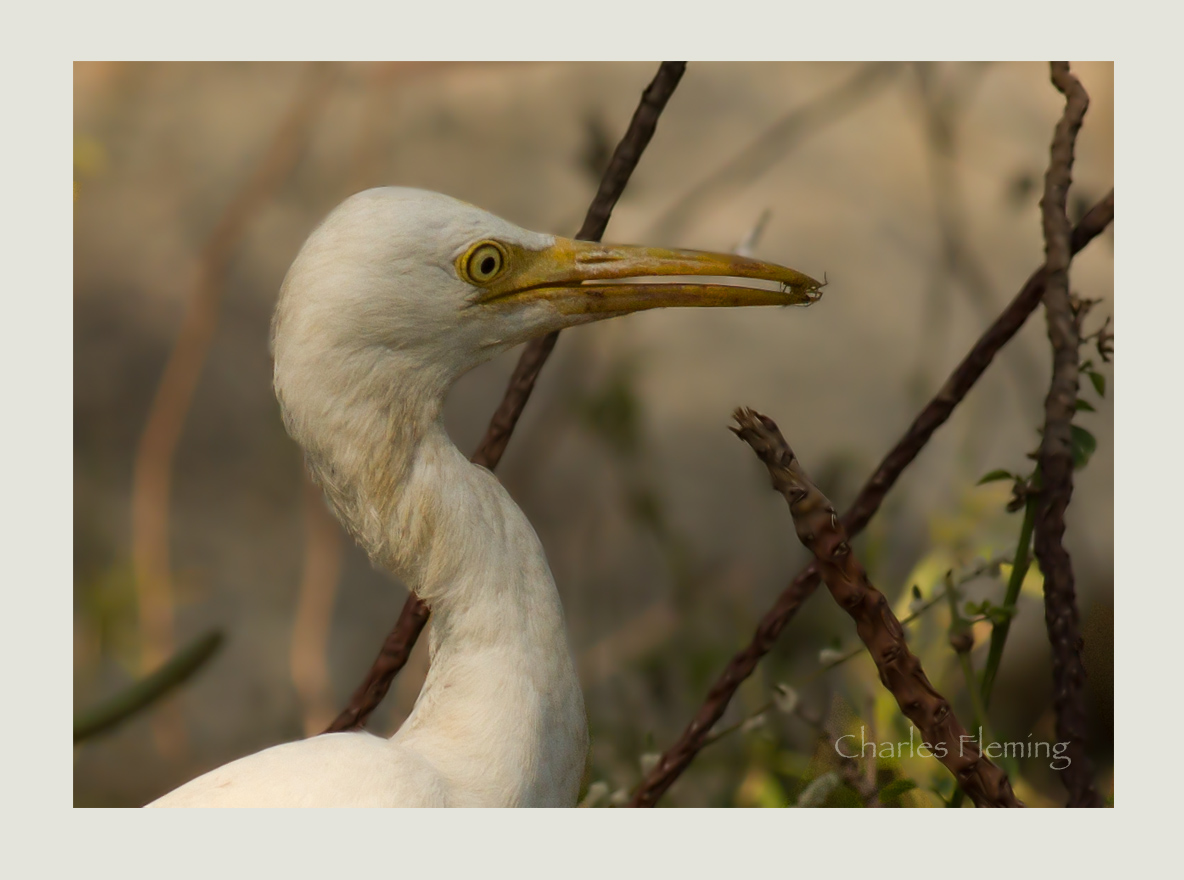
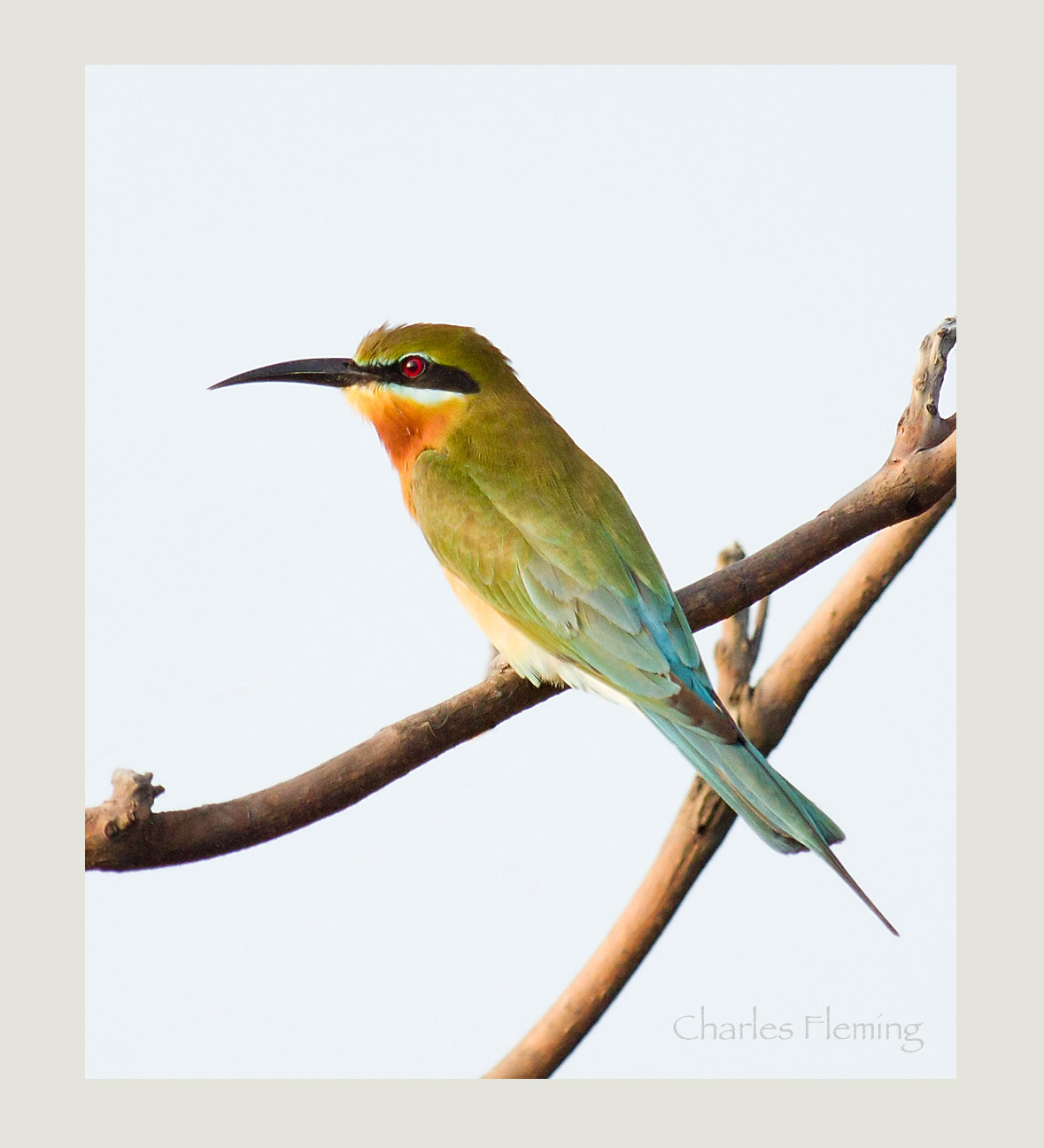
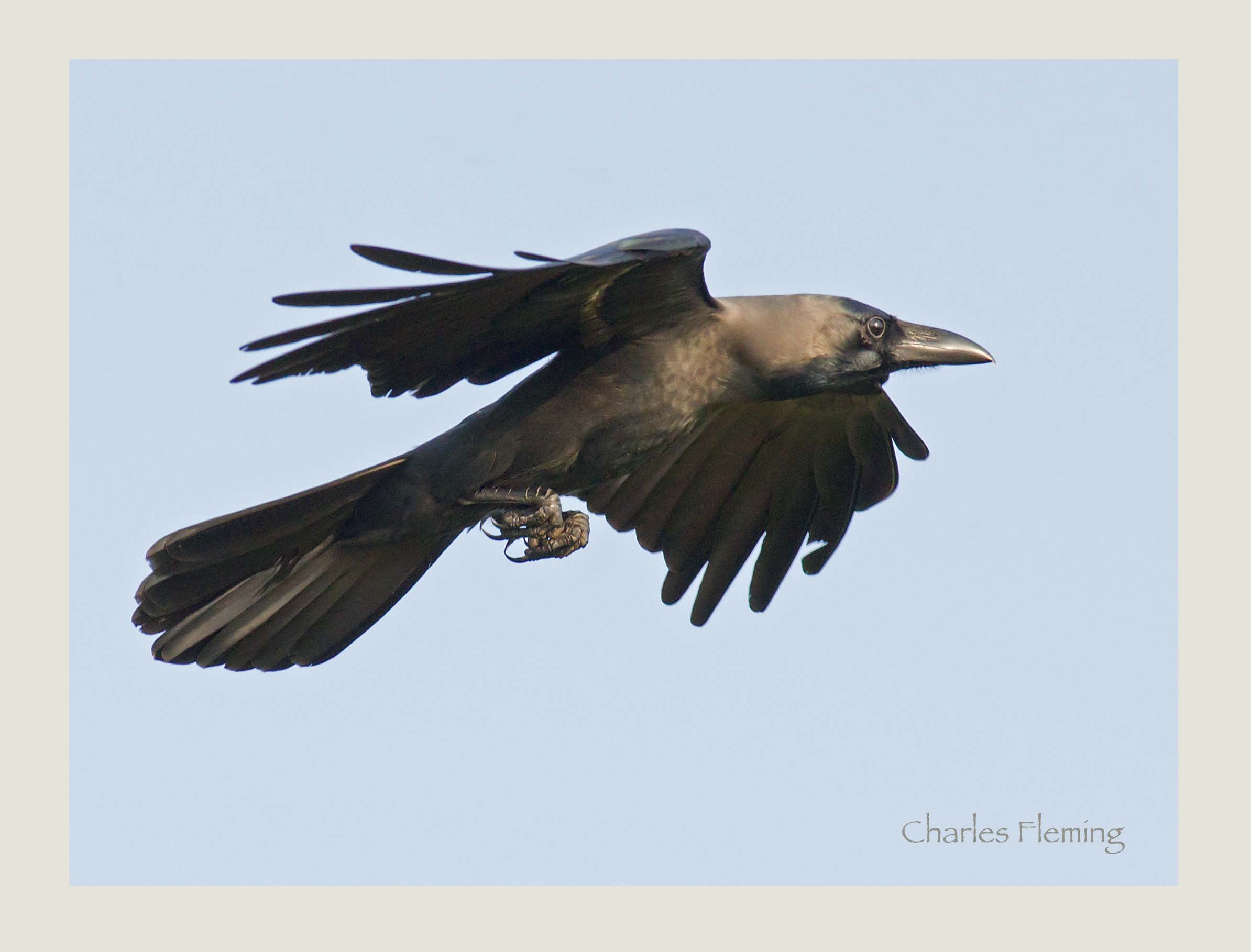
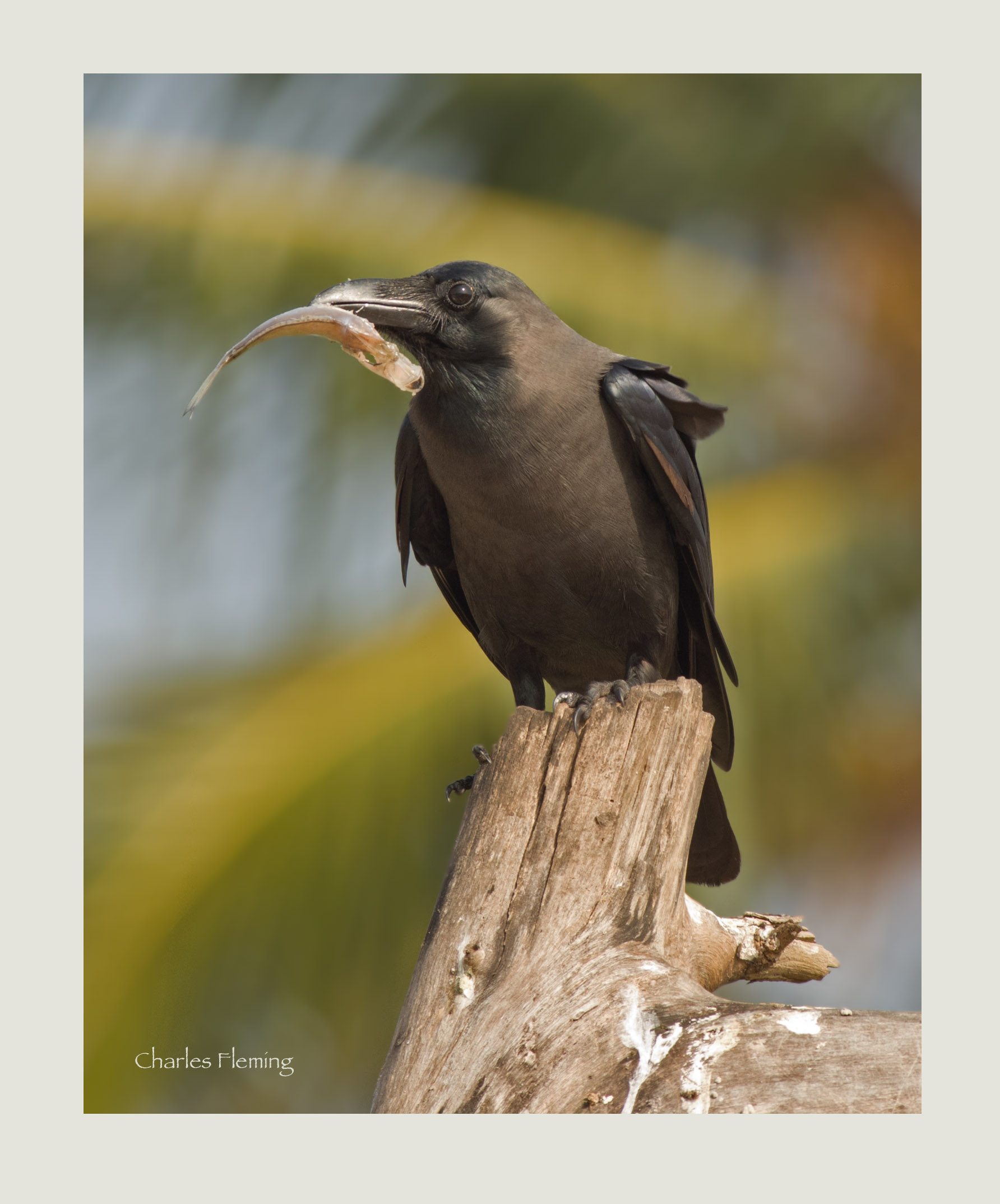
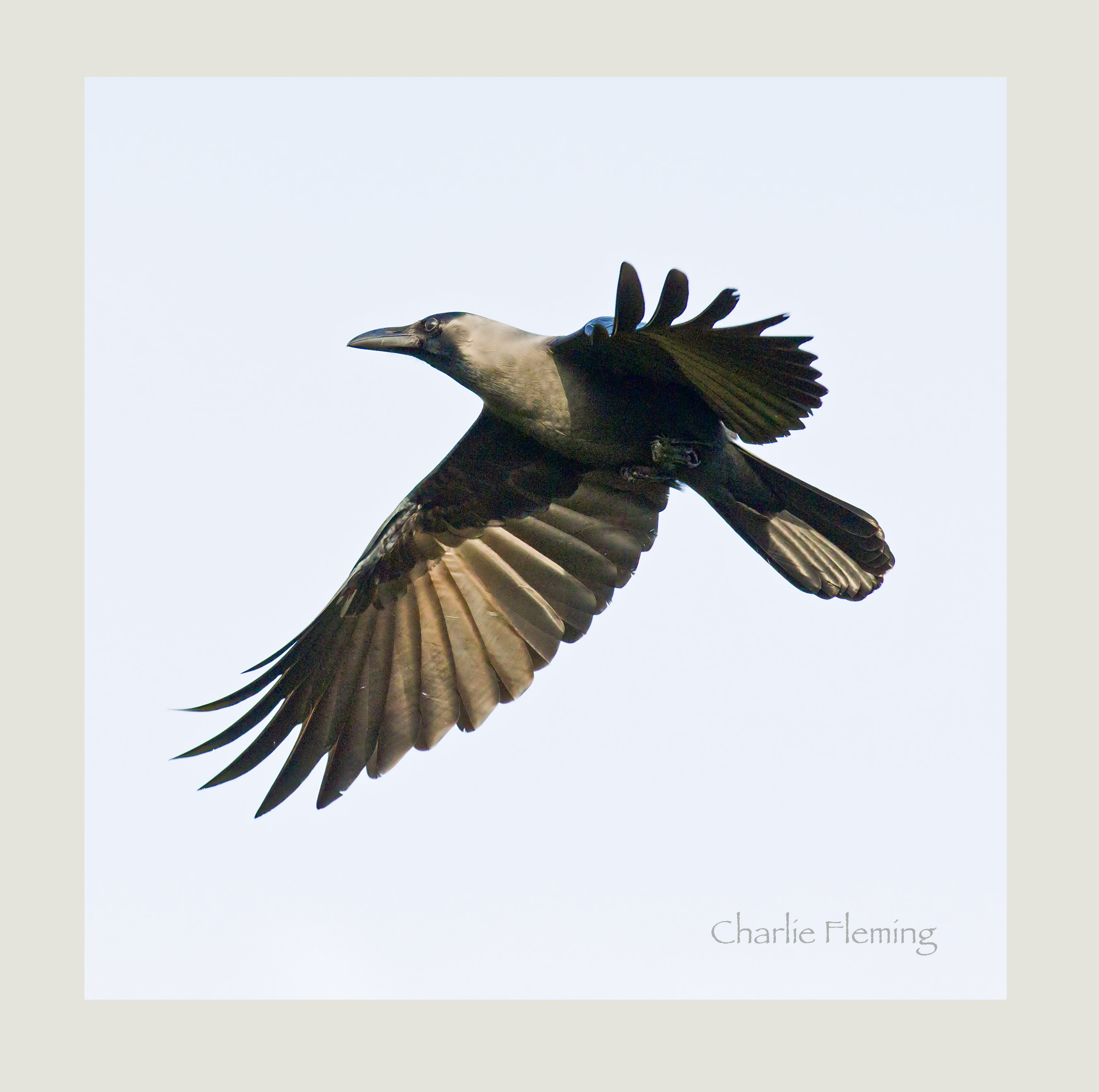
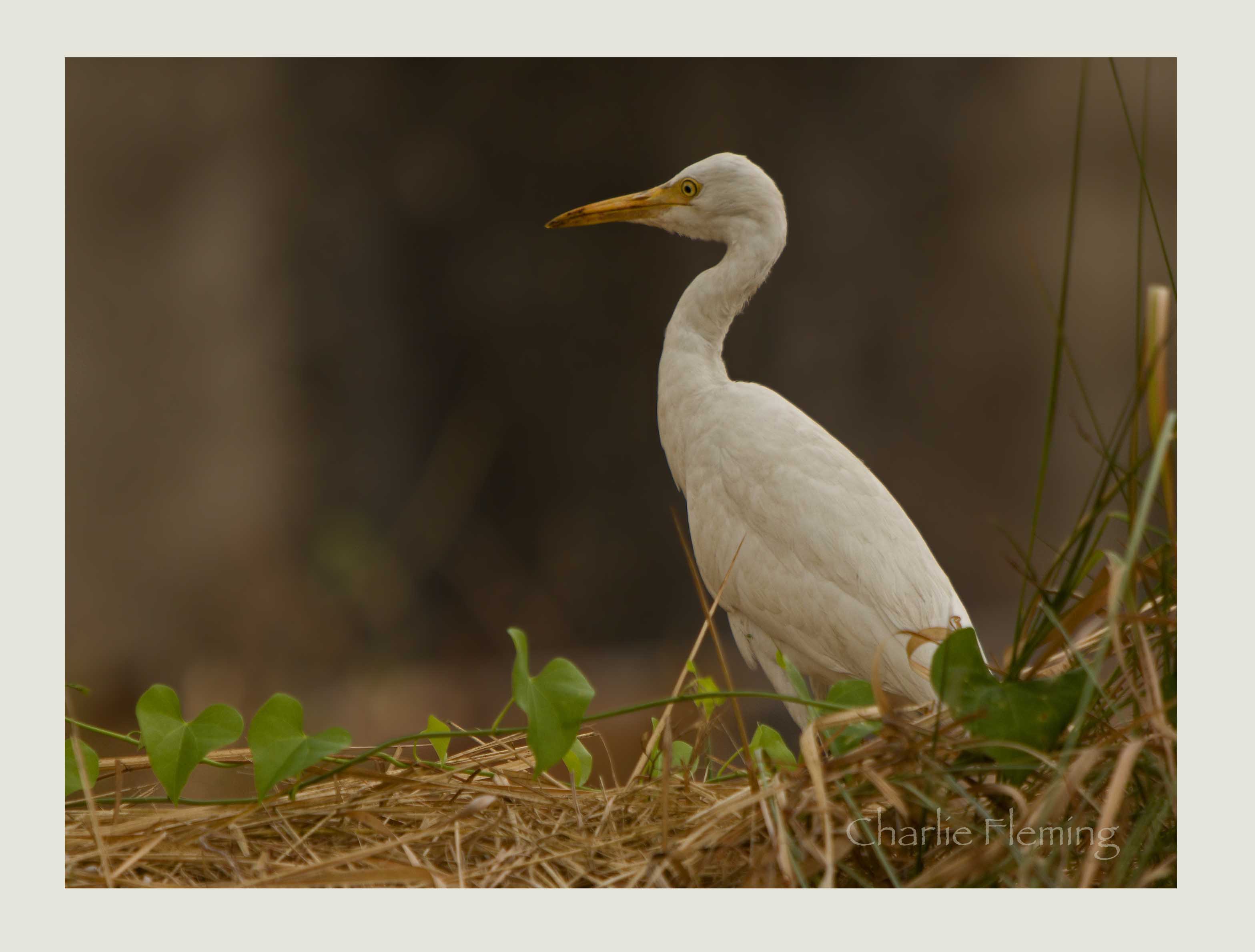
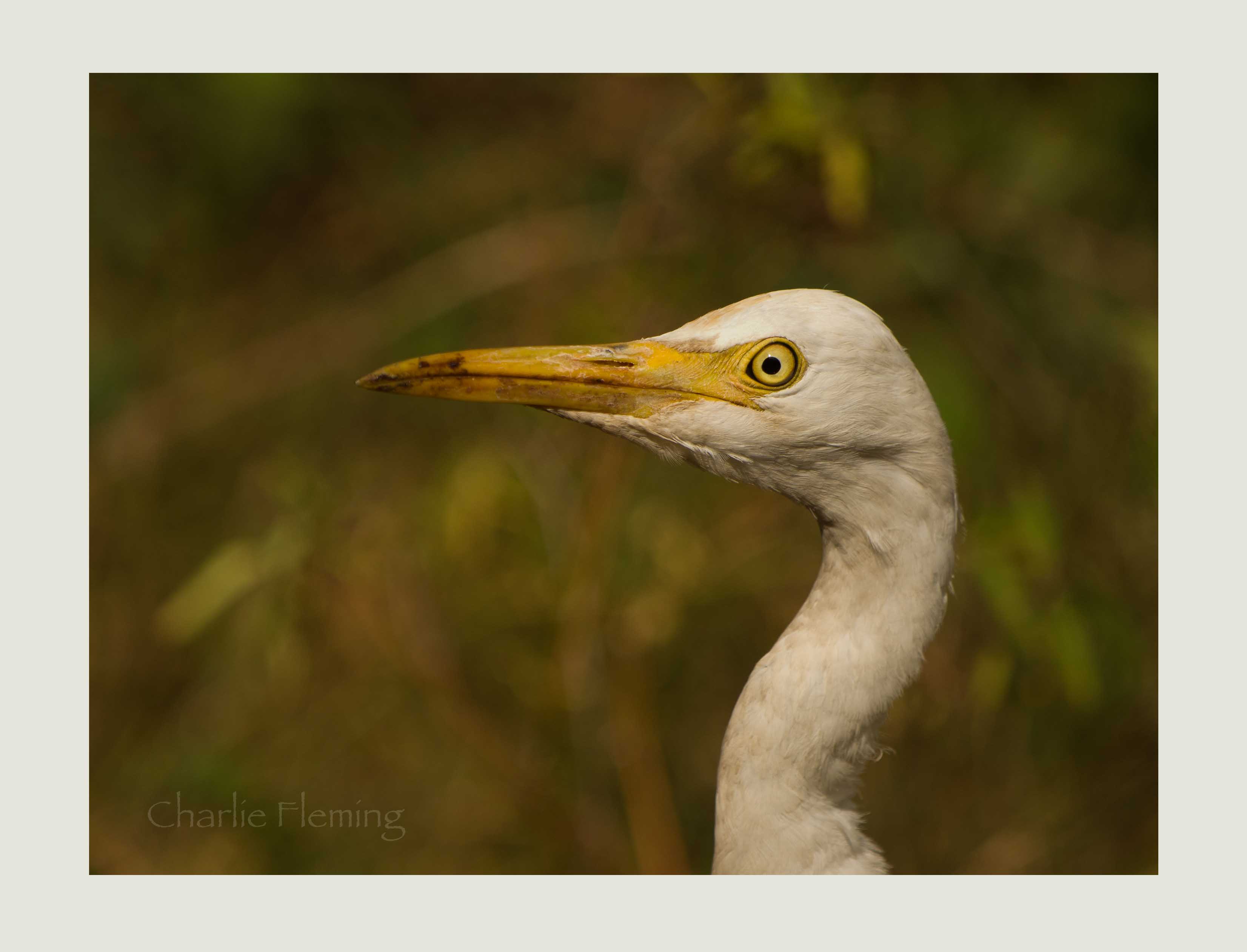
Having returned back to Exeter in the early hours of Wednesday morning I am now systematically sorting through and posting my pictures. Its enjoyable and a great reminder of my trip, almost minute by minute. On the first afternoon after arriving at “Ravi’s Dream House.” I was immediately in to birds with Cattle Egrets feeding in the adjoining Coconut Grove and on the beach, Blue-tailed Bee-eaters and a Brown Shrike as well as the ubiquitous Indian House Crows. I would never call this a beautiful bird of course, but to my mind they are an interesting bird to photograph. If you can make a common and ugly bird like this a good subject, then its good practice for other more difficult birds. One of the real problems to deal with inthe tropics is the bright harsh light and it’s particularly hard to photograph birds when they are perched with only the sky as a background. You need to use all your knowledge and skill to get a good image as in the bee-eater photo below. We had arrived at Ravi’s house in the early afternoon. As we sat having a coffee on the veranda of our accommodation we watched a pair of Cattle Egrets stalking through the grass in the adjoining Coconut Grove, a good start and without even having to look, so to speak. They were feeding on spiders as well as crickets and grasshoppers.
Day Two, 9th January.
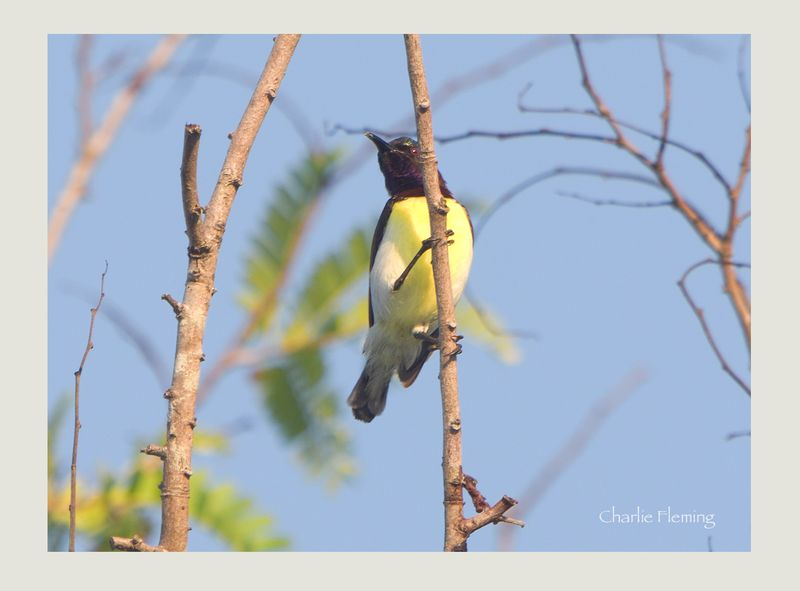
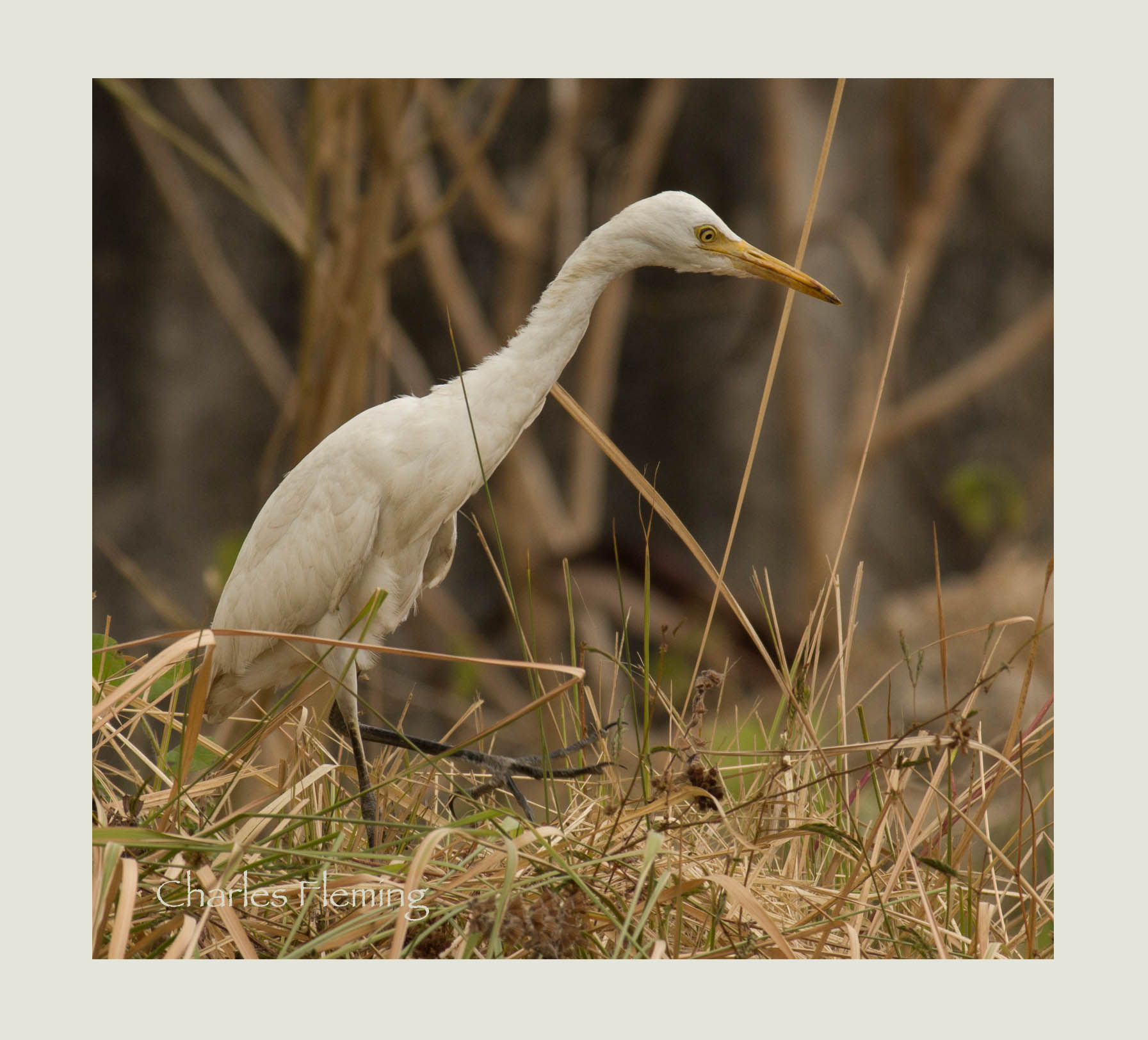
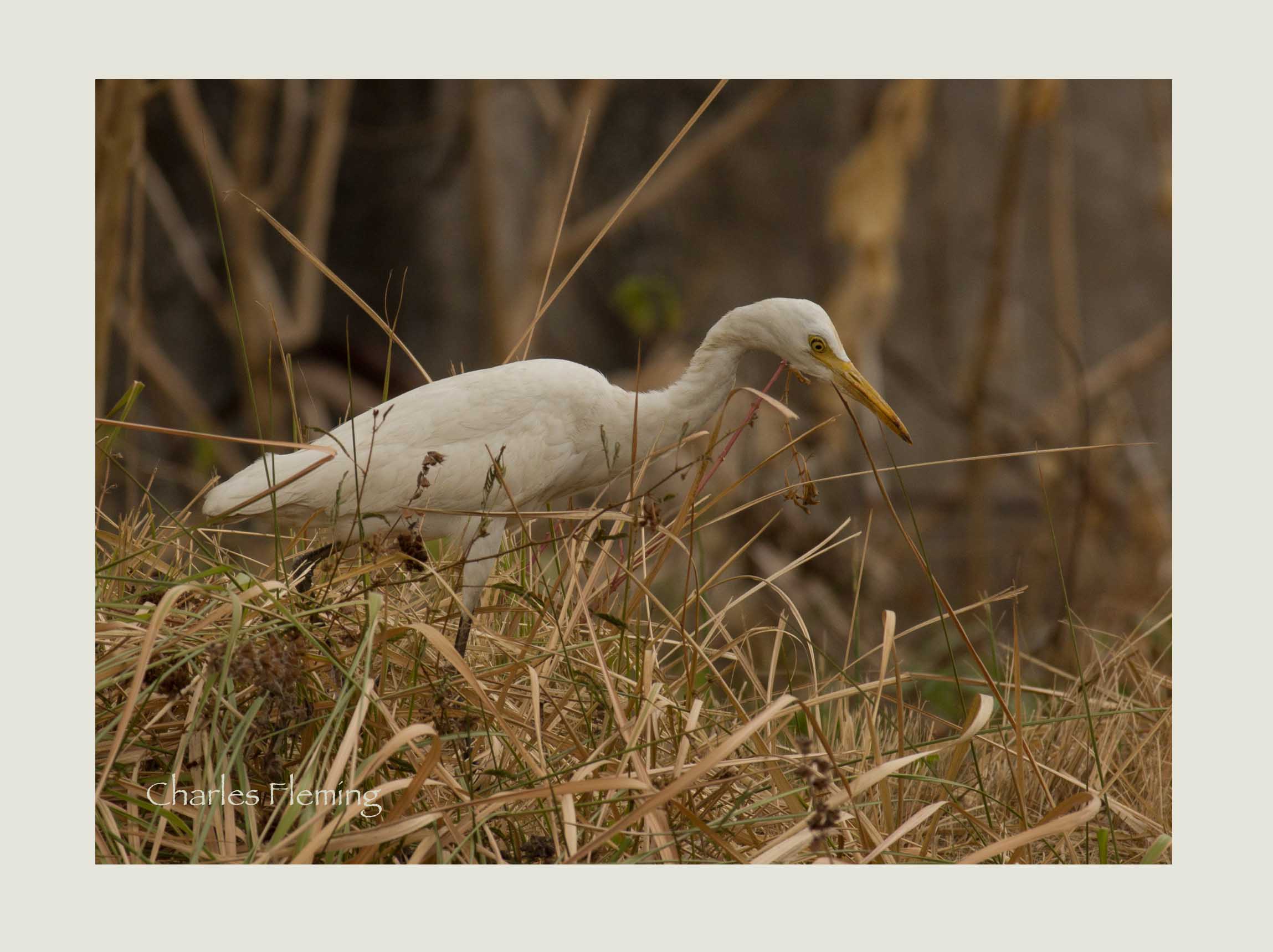
Day 2 was a slight disappointment but I did get off to a good start by photographing a male Purple Rumped Sunbird, the first time that I had been able to get a picture of the male of this common bird. I also had good views of White-throated Kingfishers, Stone Curlew, Scaly-breasted Munia and some attractive butterflies. Then later on in the afternoon, the Cattle Egrets were in the Coconut Grove again right next to the house.
Day Three, 10th January.
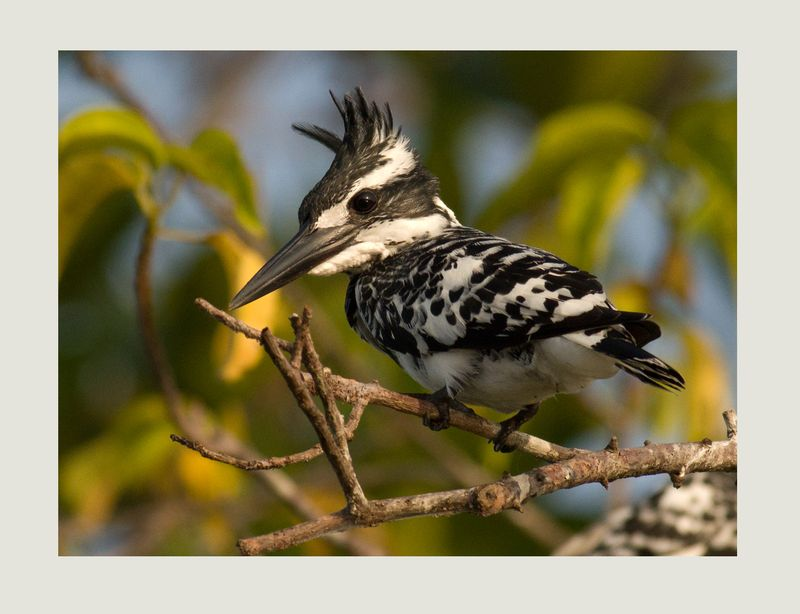
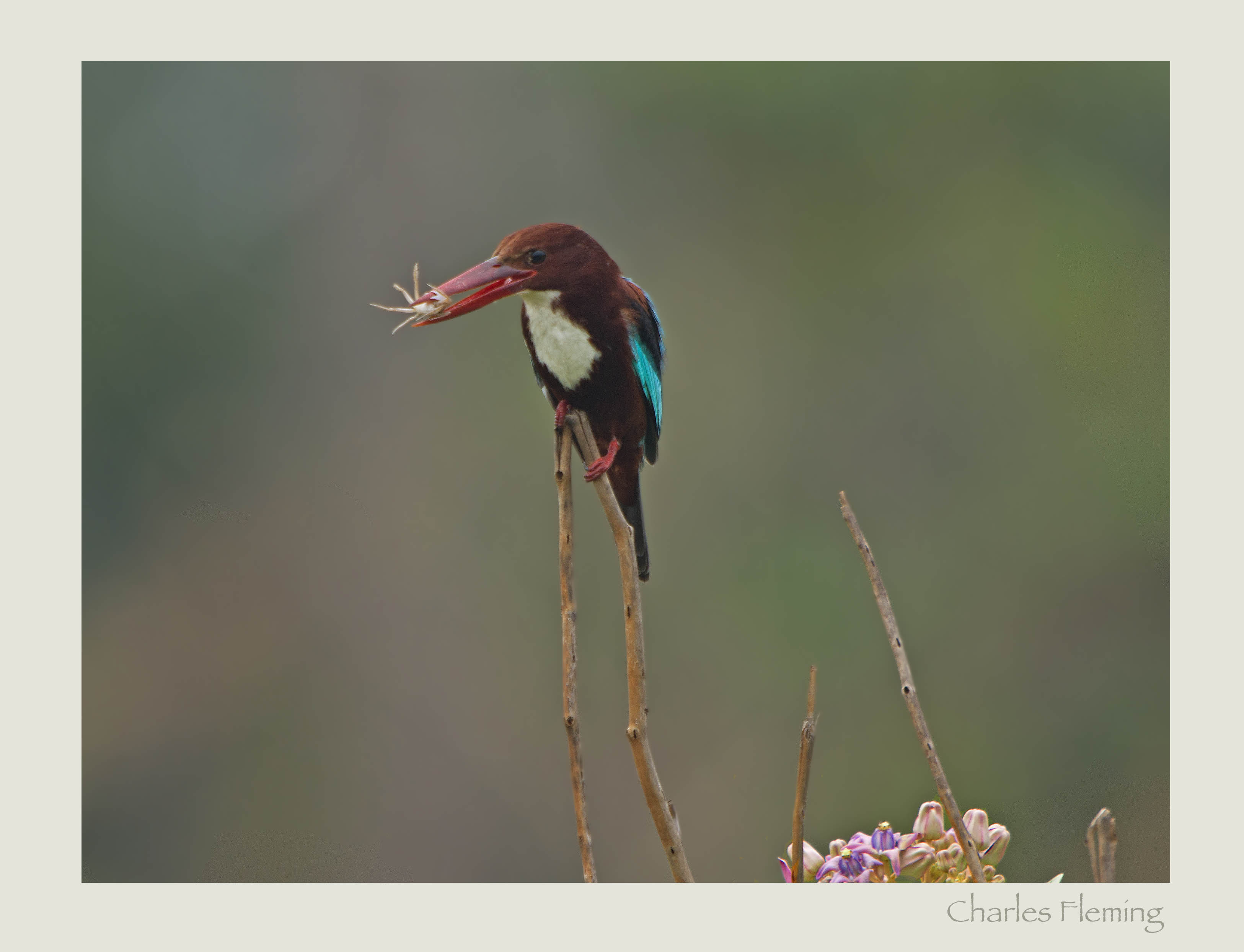
The third day started with a dawn visit to the very nearby river where I hoped to photograph Pied Kingfisher that I had seen at this spot on my previous visit to Sri Lanka. However, it seemed that White-throated Kingfisher were more common on this visit compared to my previous trip and it wasn’t long before I saw one perched on a stump in the river and it was a great photograph opportunity. Much better than I had ever had before. This is one of 4 kingfisher species seen around Kamala South, and “Ravi’s Dream House”. There are 6 species of Kingfisher in Sri Lanka but I have only seen 4. It seems that this species of Kingfisher is a “tree” Kingfisher and appeares to have a preferance for land crabs as prey in this locality.
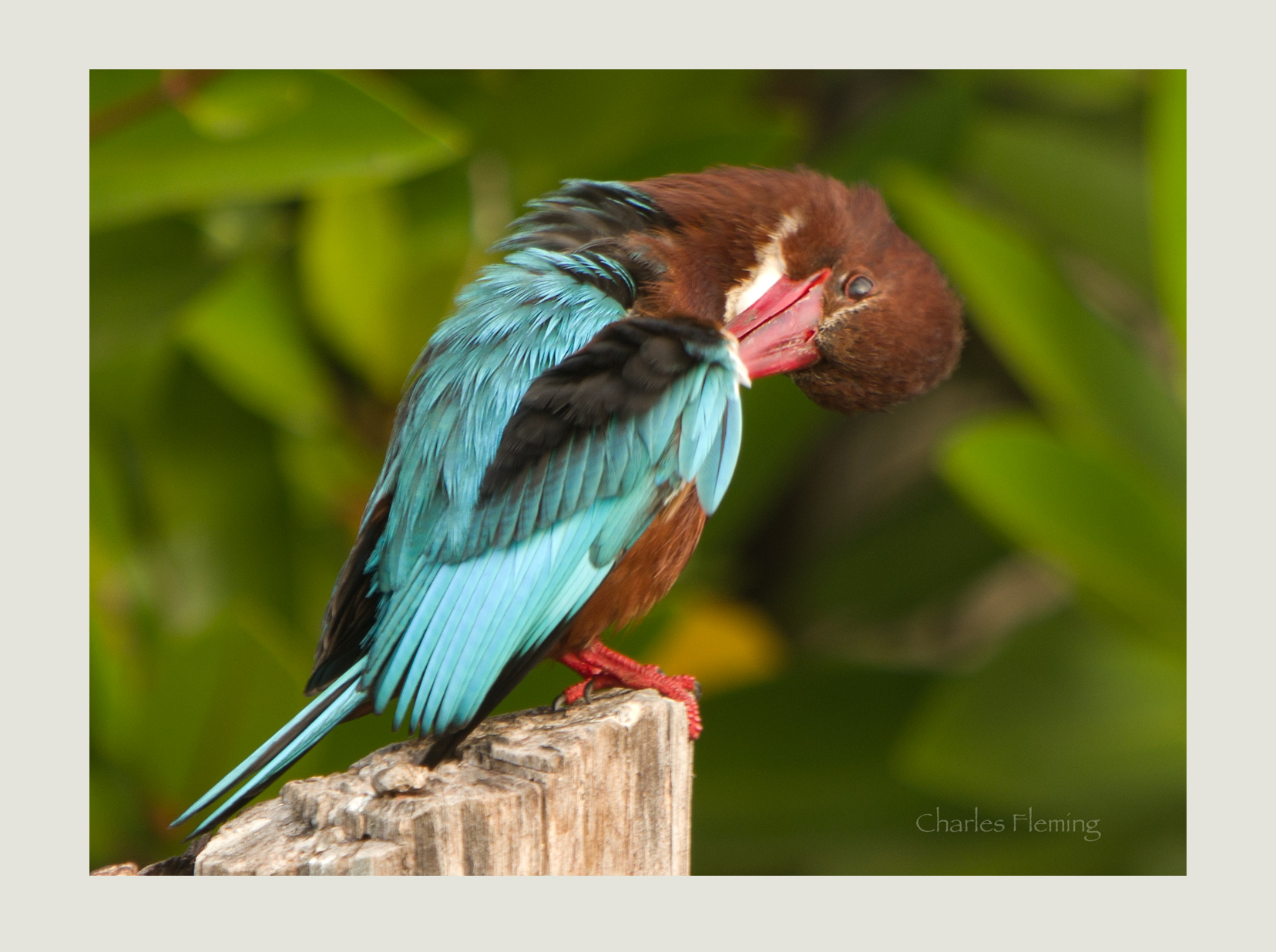
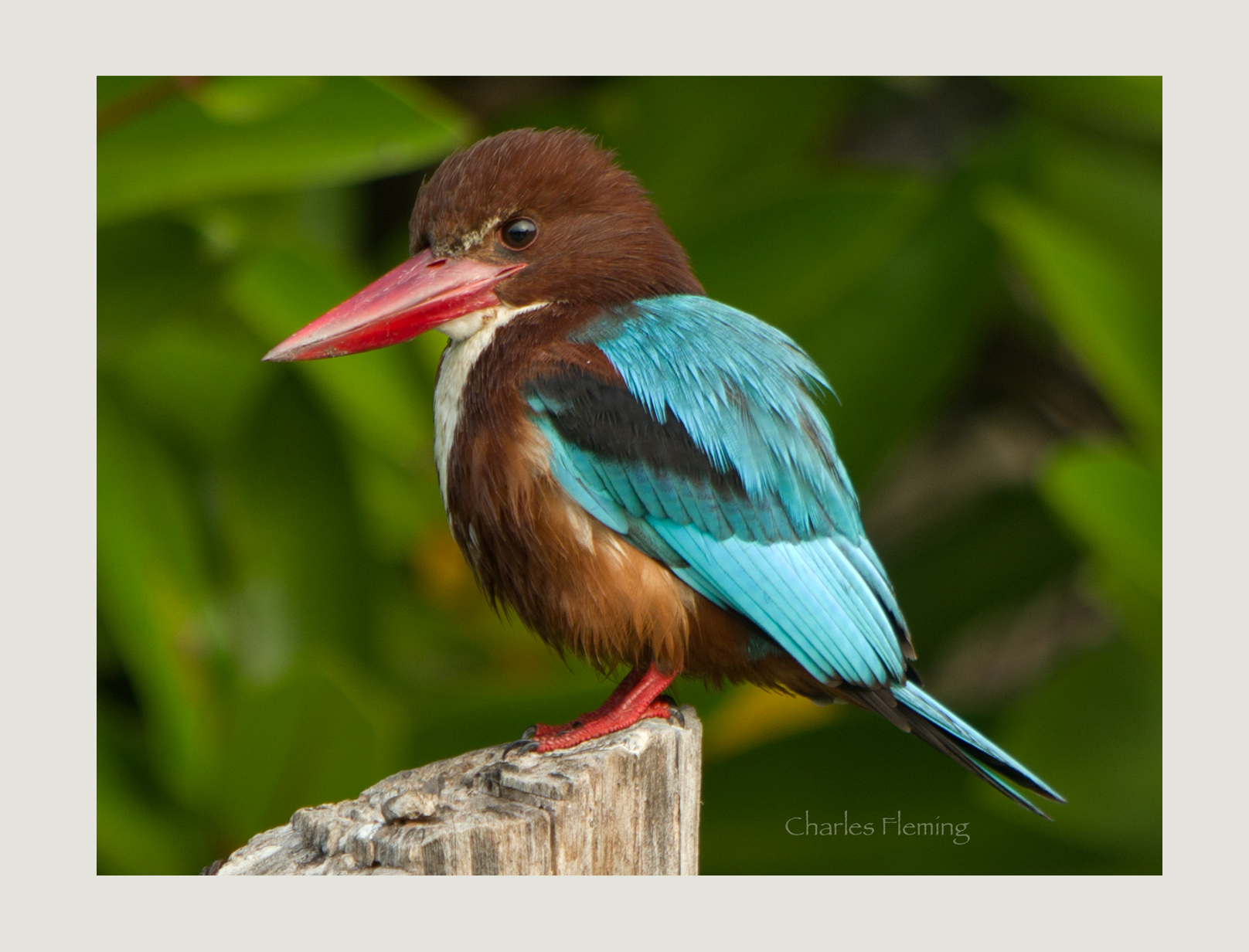
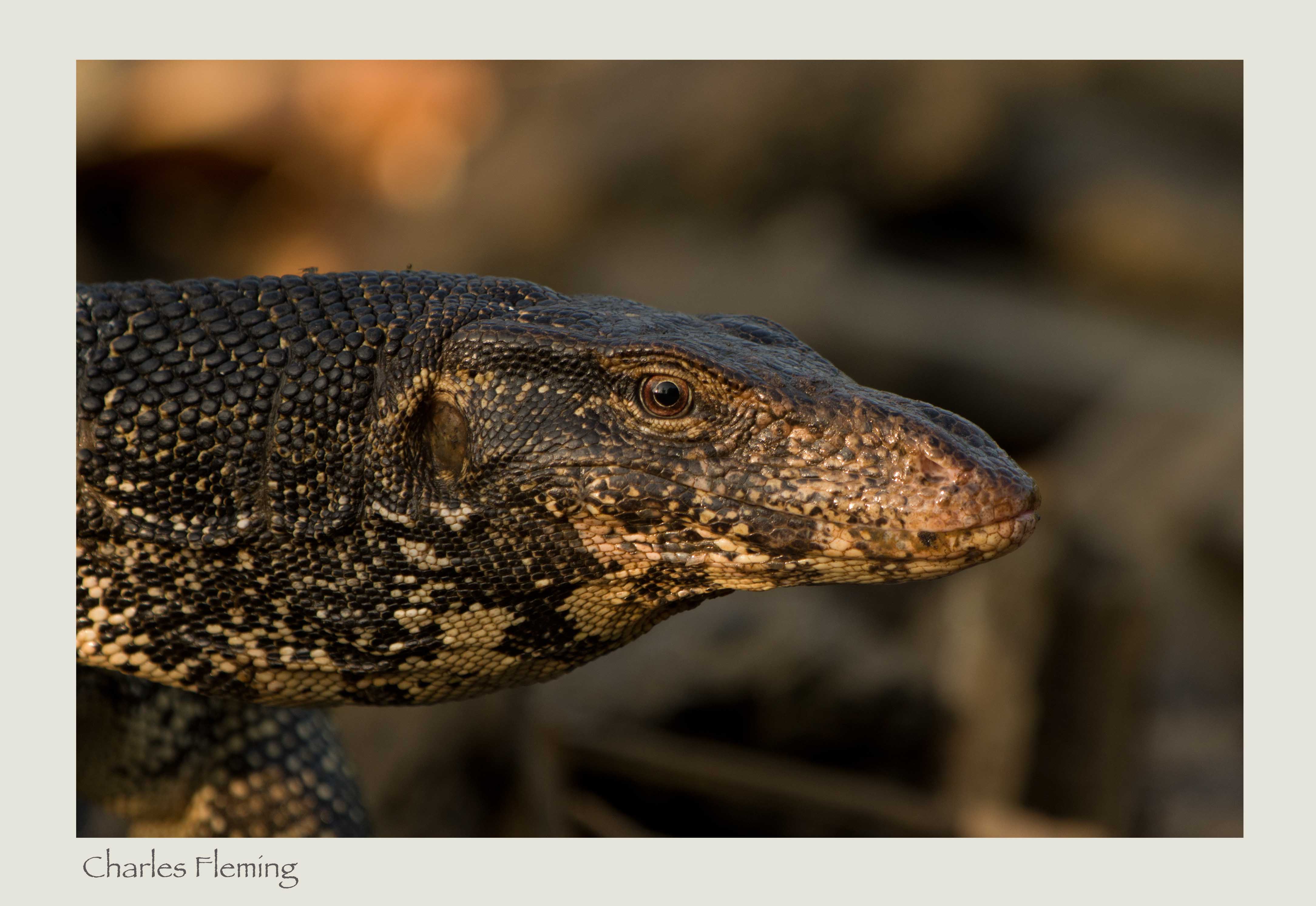
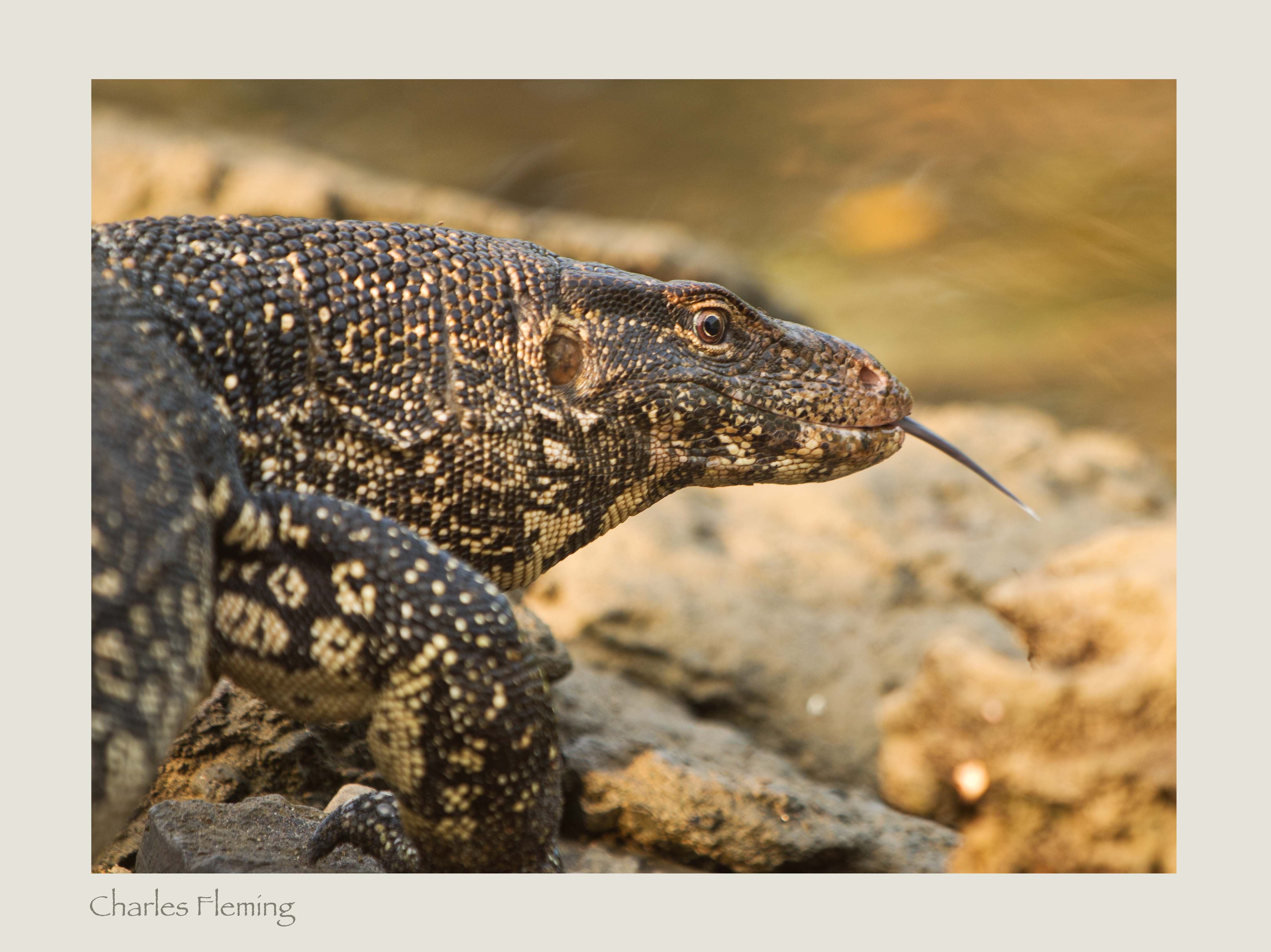
Then later on in the afternoon I went out to another spot where I hoped to put up a little hide and photograph the Kingfishers that came to a perch. The was right next to the river of course and I was hopeful of some good pictures. And so it proved, I had hardly been concealed for more than a few minutes when yet another White-throated Kingfisher flew in. It didn’t land on the perch in the water but on some foliage very near. It was noticeable that this bird had a very muddy beak giving me the impression that it had been poking in the mud. Later on, after a long wait, another Kingfisher, or perhaps the same one, flew in to the perch right in front of me. I was covered with scrim netting but got excited and moved to get in a position for a photograph and the netting fell off. The bird immediately saw me and off it went. I was quite disappointed but perhaps I had got enough White-throated Kingfisher photographs already? Then something very exciting happened. i watched a Water Monitor Lizard swim accross the river towards me. It was a big reptile, around 4 feet long. I lost sight of it but then it suddenly appeared in front of me and was walking towards the “hide”. Its tongue was flicking in and out and was about 12 inches long. It was tasting the air and even though it couldn’t see me I am sure that it sensed my presence. It stoped when 6 feet from me and continued to “taste the air” then it turned and got back in to the water to swim away and back over the river.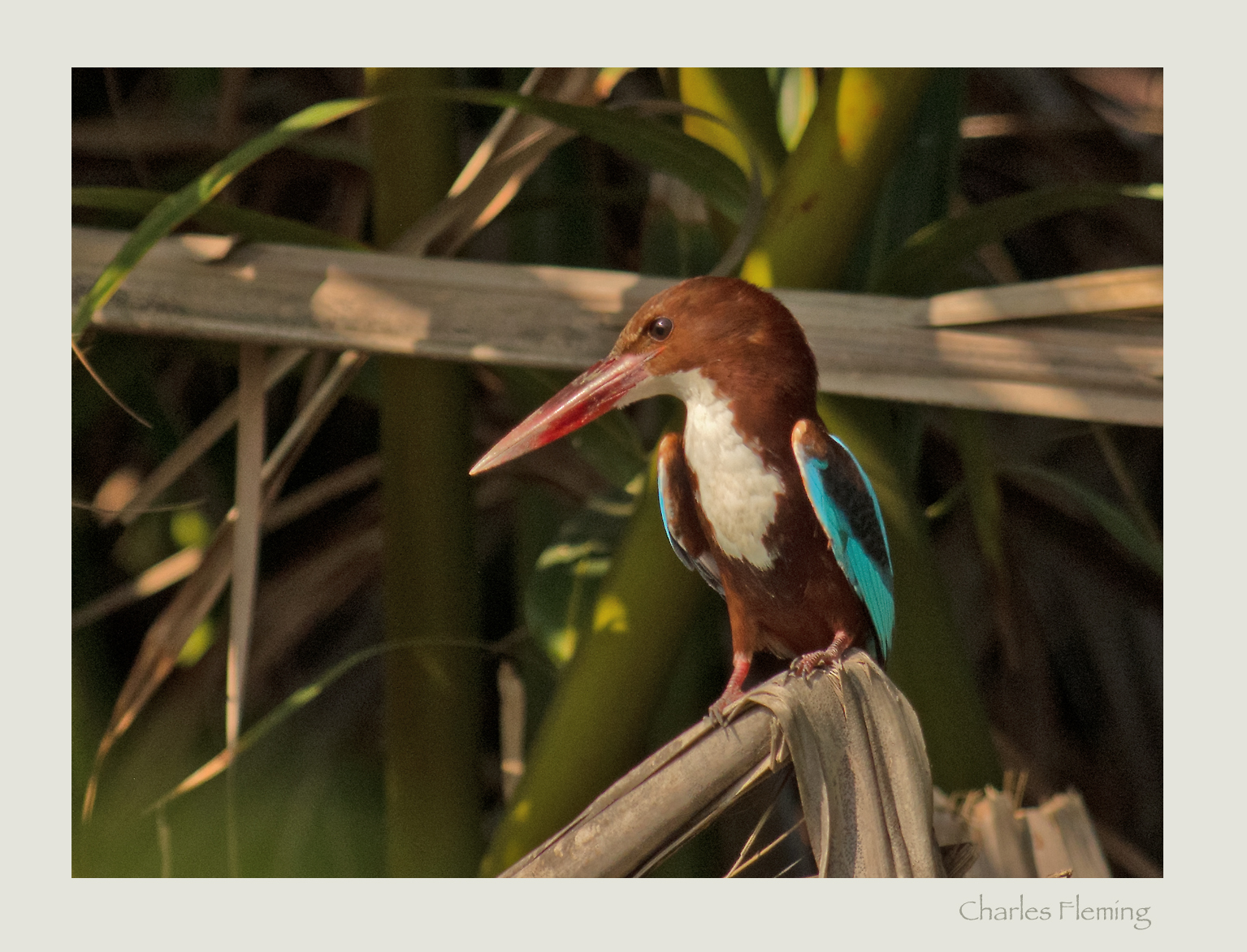
Day Four, 11th January.
By the first Saturday morning I had only seen species that I was already familiar with but I had been able to improve the images taken before so that was reassuring. I had a very close encounter with a pair of Purple-rumped Sunbirds that were feeding on a pretty flowering tree. This is a species that you can hear almost constantly but they are very hard to photograph because they are so active and always seem to be high in the flowering trees, but I almost managed a good picture.
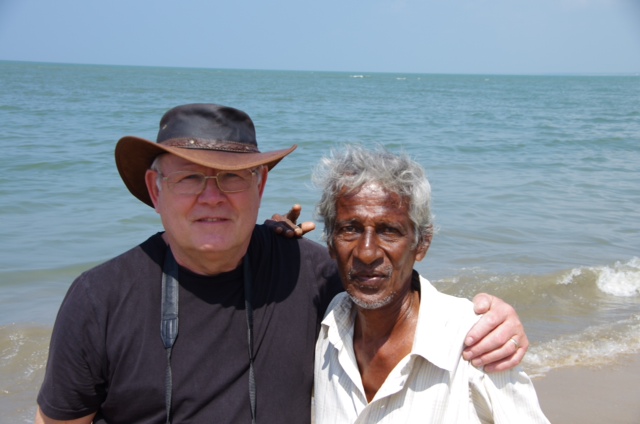
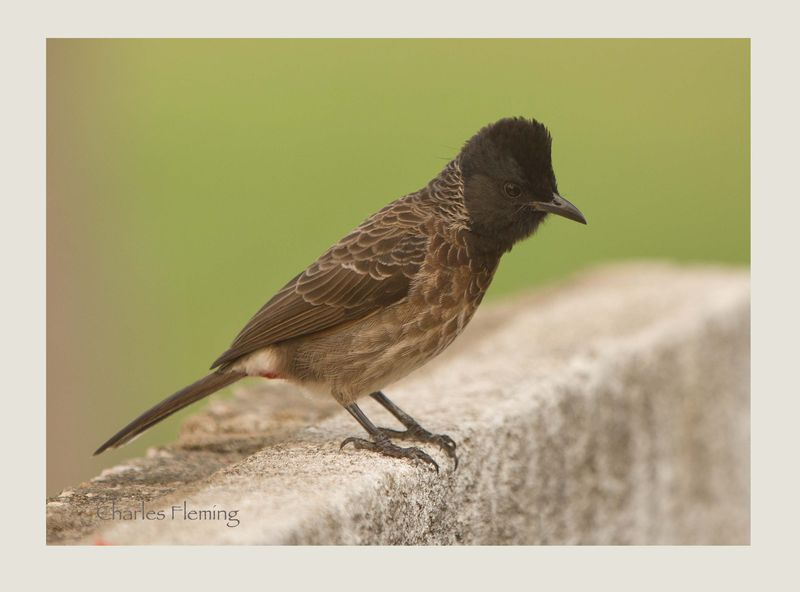
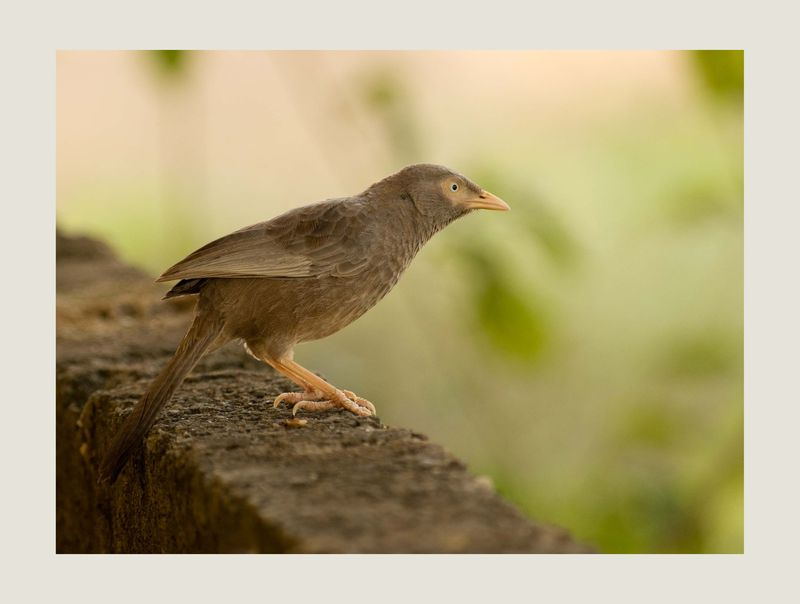
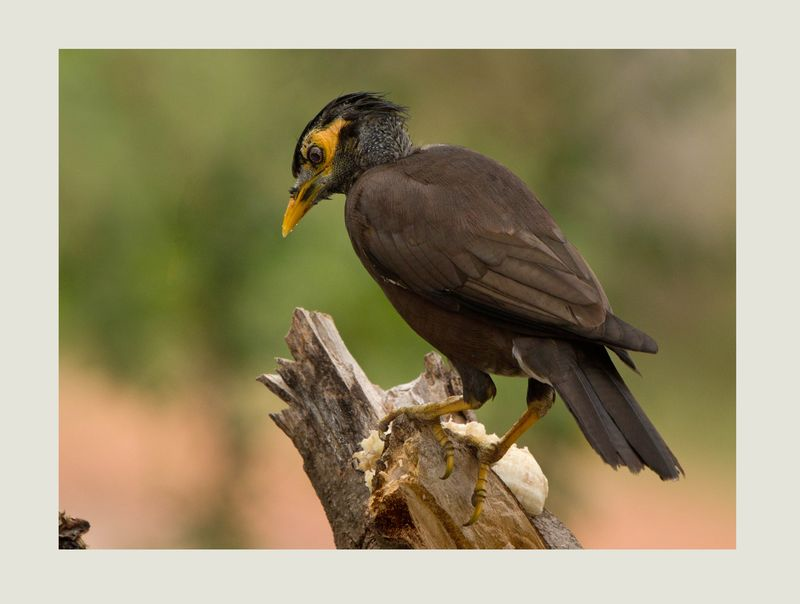
We set up a fruit feeder in the garden and loaded it with Coconut, Banana and also Papaya when we had some. The House Crows were a nuisance. I regret not making more effort to provide Papaya because it was obvious that different species had their favourite fruits. Myna Birds would come for Banana and Coconut but Red-vented Bulbuls had a definite preference for Banana and when we had a constant supply, they would visit regularly throughout the day. The Yellow-billed Babblers had a preference for coconut. Later on in the morning I visited the fish market at Nogombo where I knew that there would be some interesting seabird activity and so it proved. The fish market adjoins the beach where fishermen work incredibly hard for a few pounds a day. Activity is constant in the 30 degrees and if you want to see people working then this is the place to look. This chap was picking up spilled Whitebait and collecting it in a bag, literally fighting the crows and the terns to get there first. He had a plastic bag full, his spoils for the day. Whether this was to be sold later or for himself to eat I am not sure. I slipped him a few quid, he wasnt begging but I am sure he was grateful.
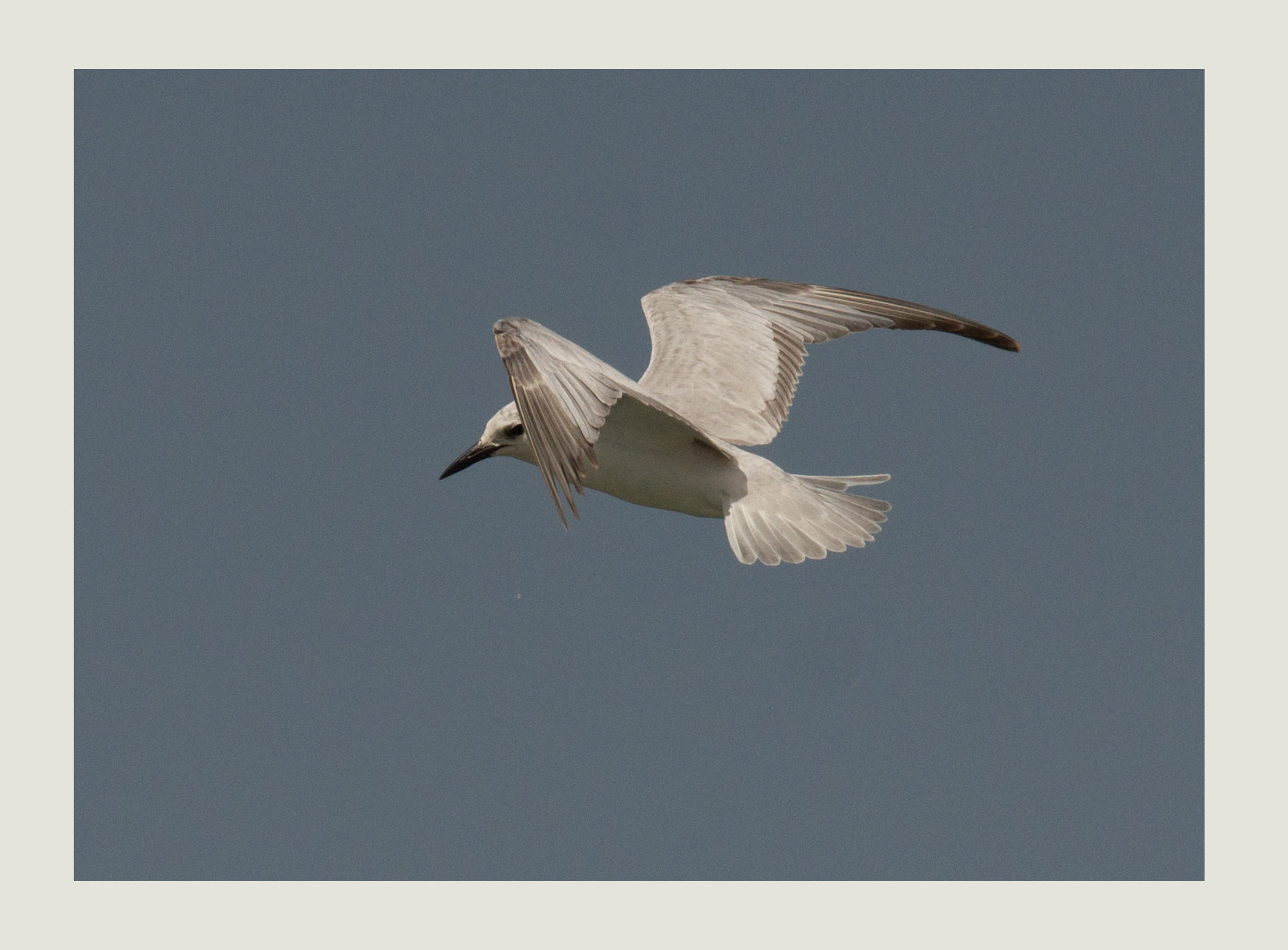
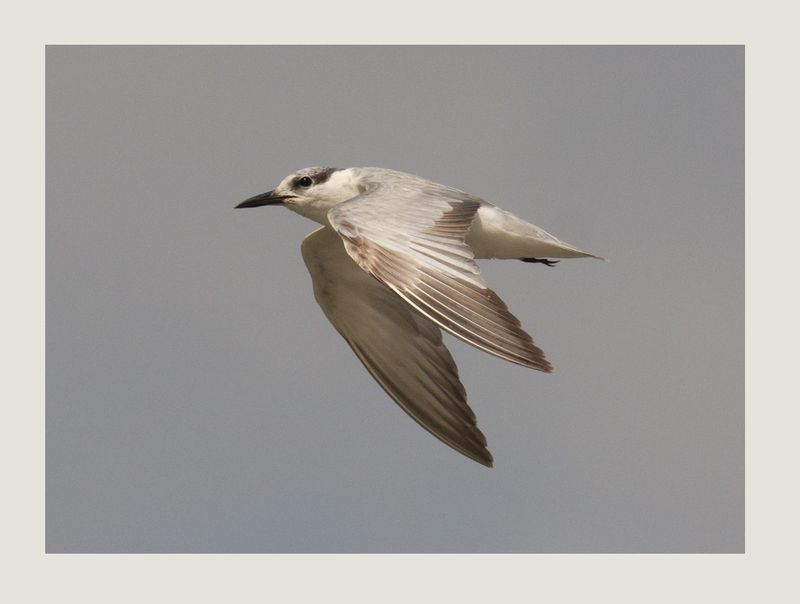
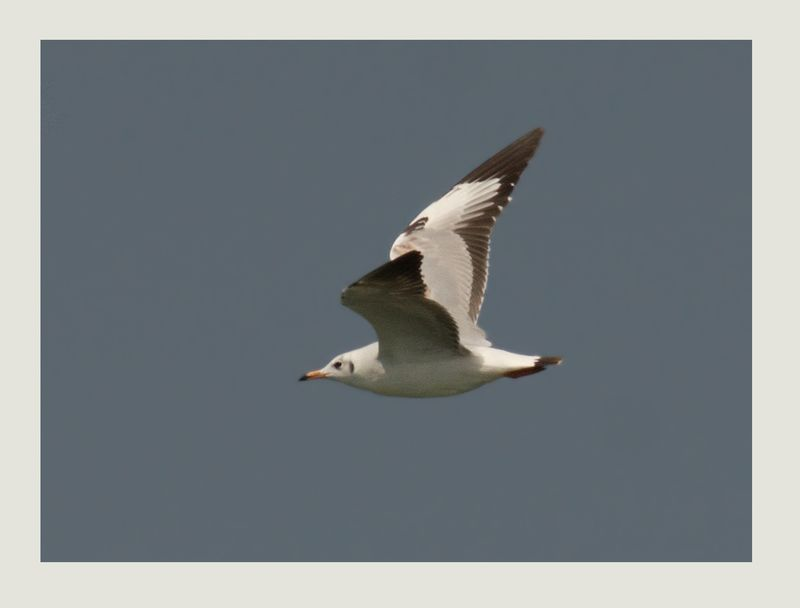
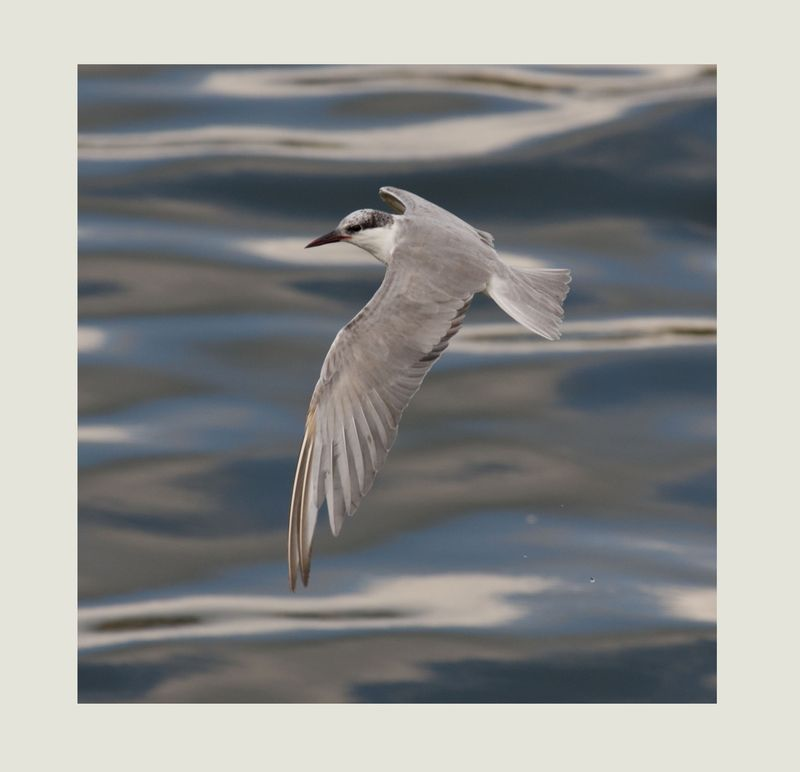
I photographed the Whiskered Tern where a flock of at least a hundred were feeding on the whitebait shoals close to shore and also, but more distant, a Brown-headed Gull. Back at the Dream House in Kamala South, the Bulbuls were still coming to the bananas!
Day Five, 12th January.
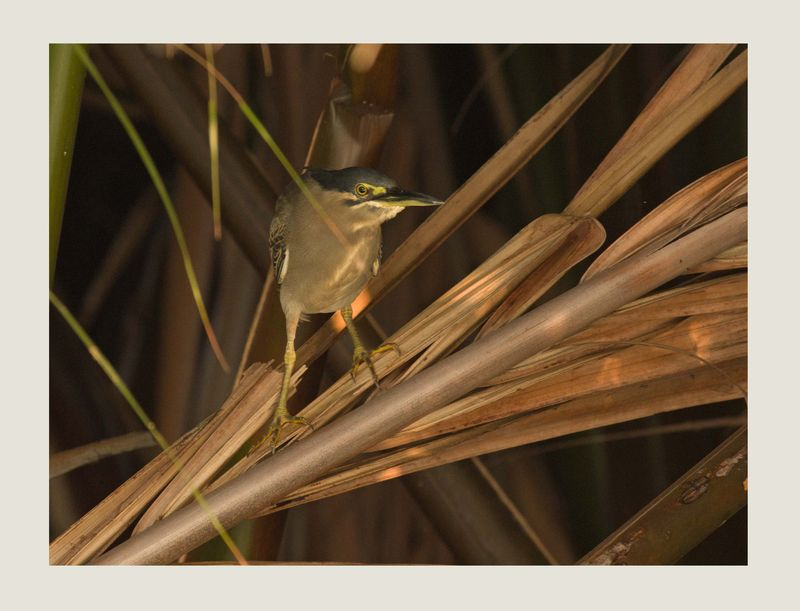
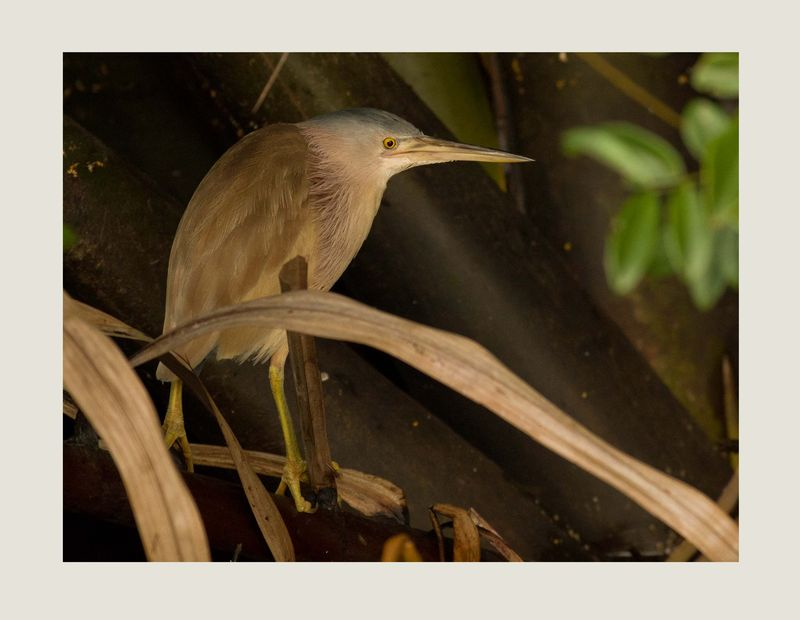
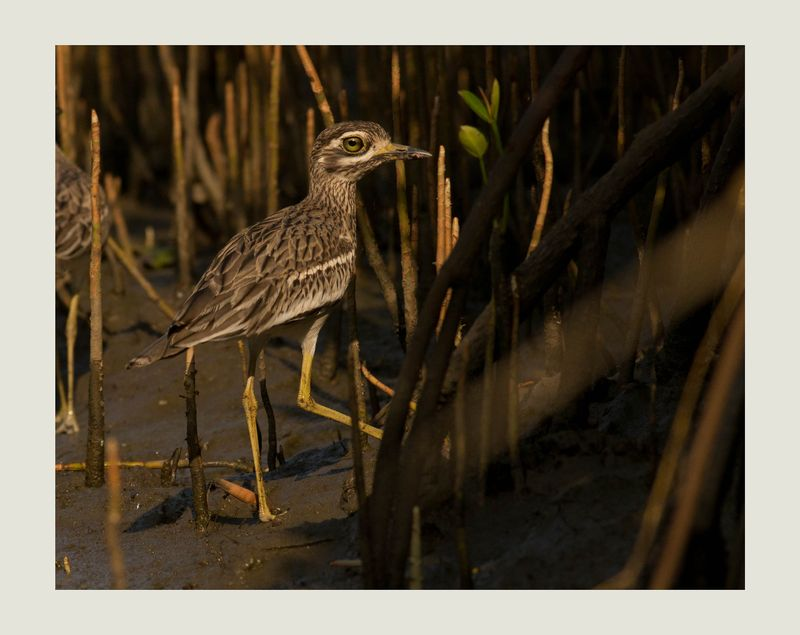
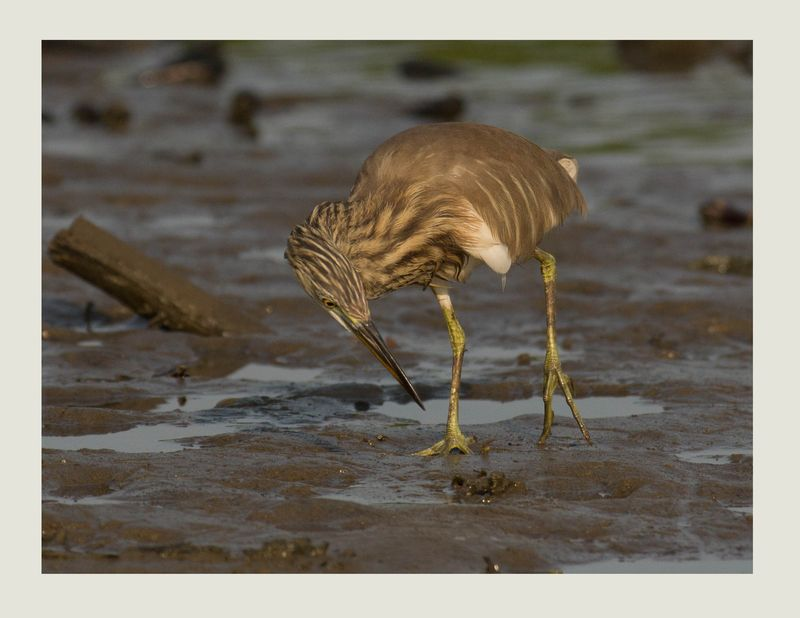
When Sunday morning arrived we were up at dawn to take a two hour trip, up and down the canal system that runs close to and behind “Ravi’s Dream House”. I had been on a boat trip on my last visit and found it quite interesting. However I wasn’t too hopeful of really good success as it’s hard to take photographs in a moving boat. It turned out to be much more successful than I imagined. We finished up photographing all 4 Kingfisher species and a Yellow Bittern and I had good views of Purple Heron, Stone Curlew and a really nice Striated Heron. This was a good trip and very worthwhile.
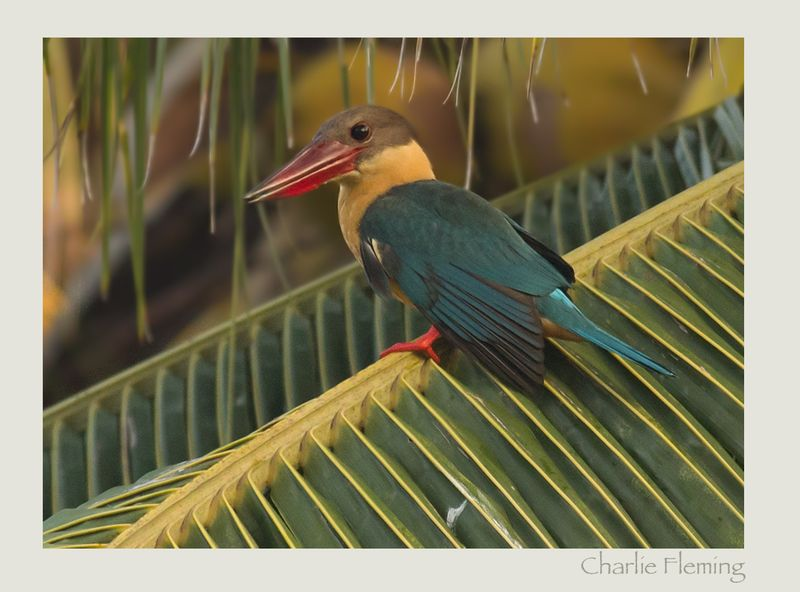
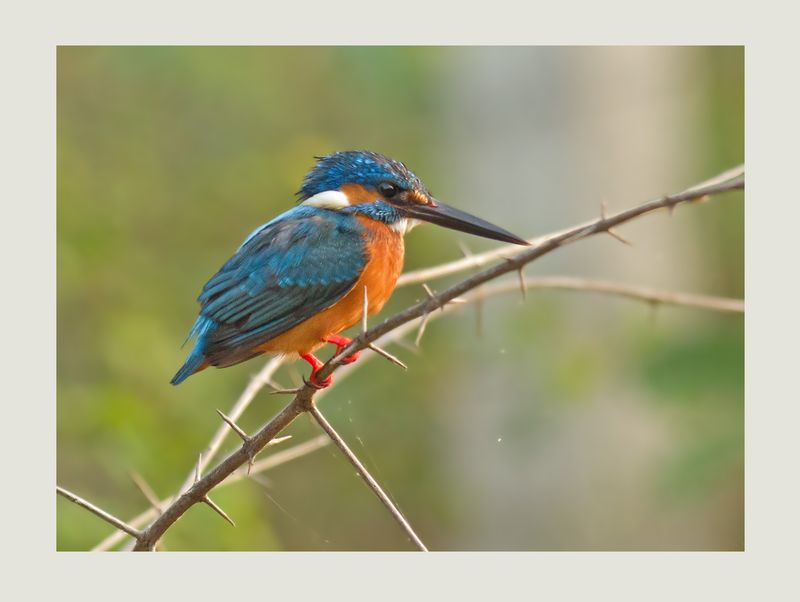
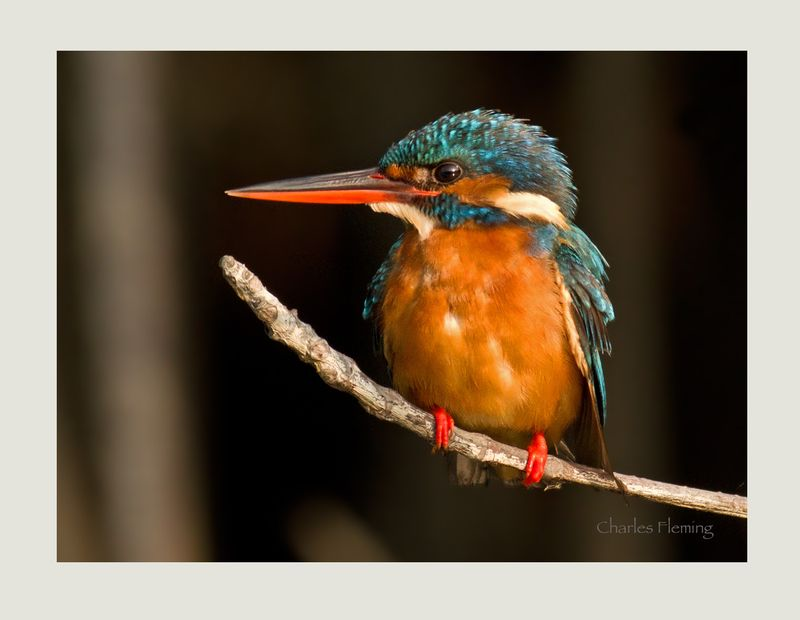
I have taken a lot of pictures of Common Kingfishers in the UK. The scientific name is Alcedo athis. The common Kingfisher species in Sri Lanka is a sub-species Alcedo athis bengalinensis. It is a brighter coloured bird than the UK bird and in the female particularly, the beak is much brighter. This particular bird was one of many that we saw on this short boat trip. The Common Kingfishers of this sub-species appear to be much more confiding than the UK race.

Day Six, 13th January.
The first Monday was all about seabirds which I have a soft spot for. I travelled to the Sand spits at Chillow. This is where the Deduru Ova River spills in to the Indian Ocean. When I had visited Sri Lanka in 2012 I had been taken there by the professional guide. I knew that this was a good place to see, not only wading birds, but also gulls and terns. We travelled up to Chillow by train which was a great experience in itself. It cost just a mater of pence for the trip on the train which is just about the cheapest way to get around.

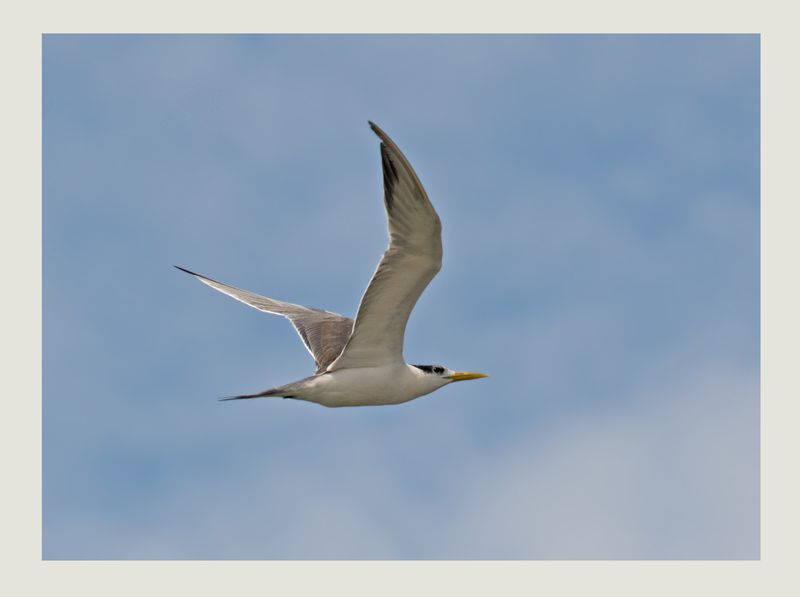
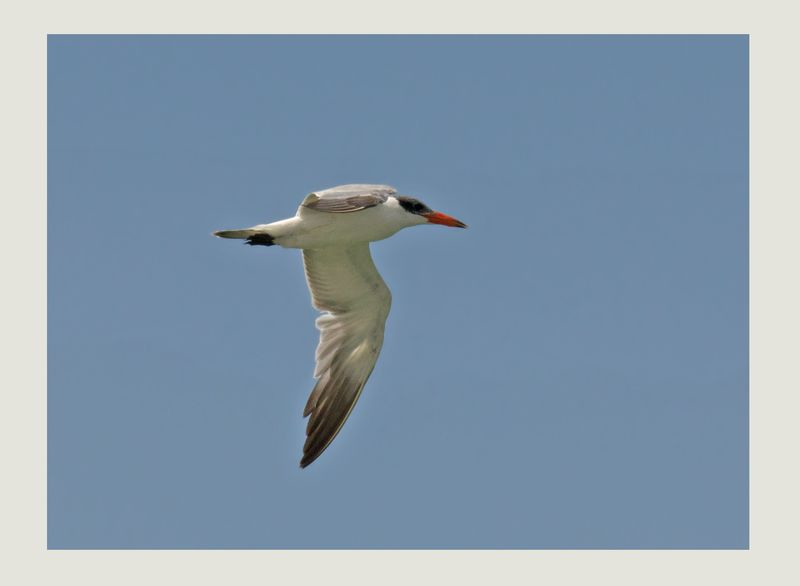
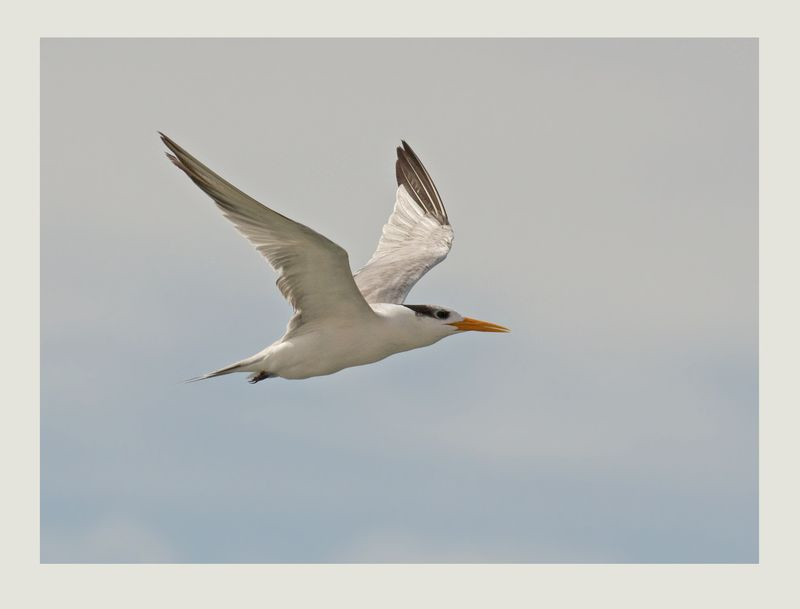
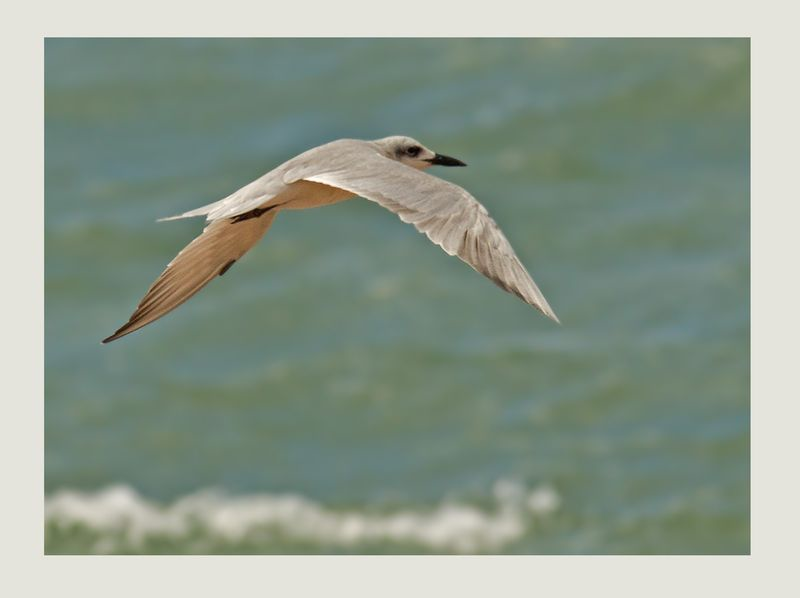
It was slightly frustrating because when I got there too many other people were on the beach which meant that wading birds were very limited. There was a Curlew (type) wader and Sanderlings but apart from that it was more about Gulls and Terns. The light is very bright and it was extremely hard to get good photos but after an hour and half I had managed 5 different species of tern. I should have stayed longer and would have if I had have planned my trip better. The Gull-billed Tern was a new species for me and when I looked at my pictures later I discovered several shots of a Caspian Tern which was a pleasant surprise. I find it extremely hard to seperate Greater-crested Tern from Lesser-crested. However, Greater-crested have a longer more slender and yellow beak rather than orange yellow in the Lesser-crested.
Day Seven, 14th January.
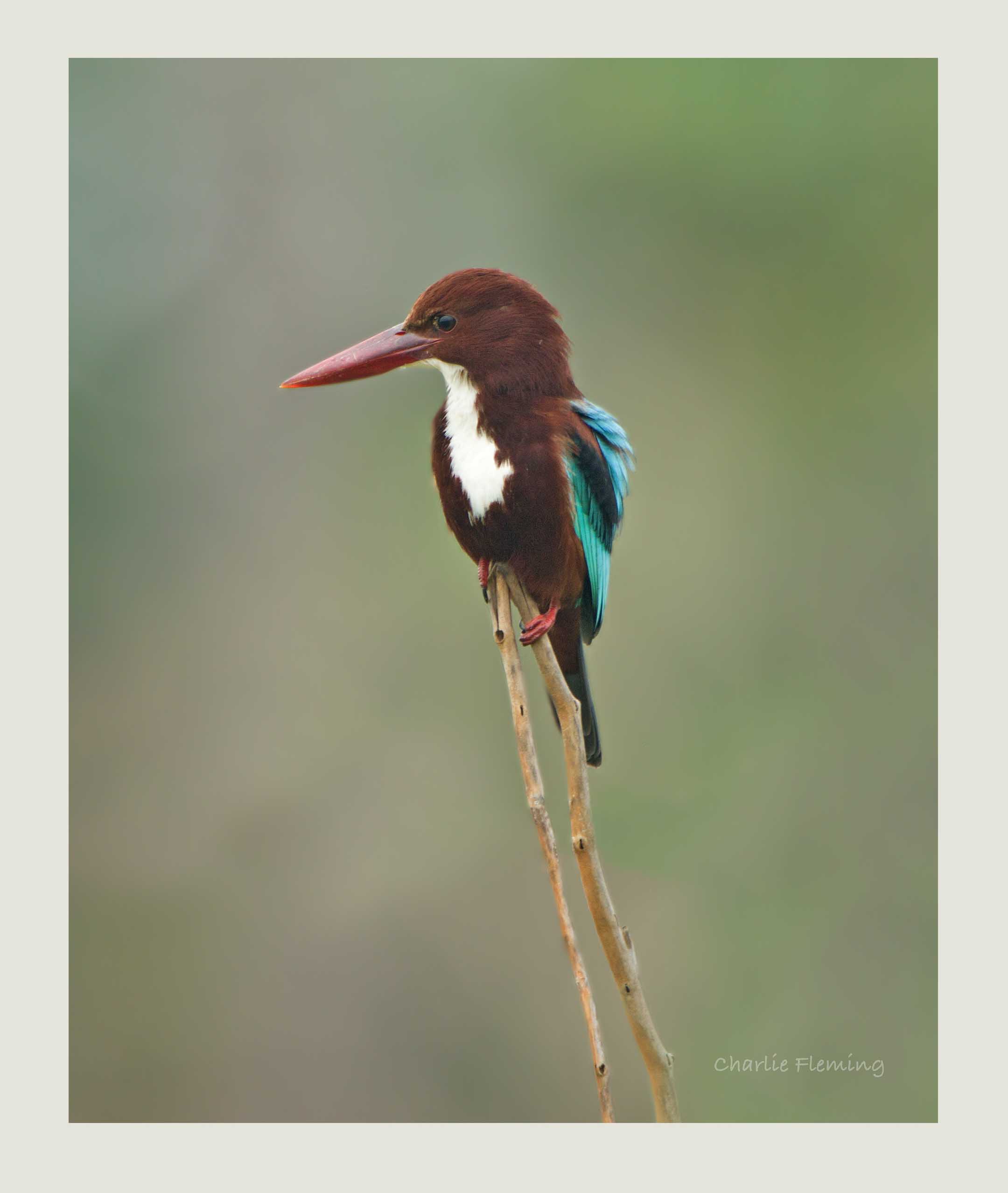
Yet more photos of White-throated Kingfisher on this day. I finally saw one with prey, as I suspected, a land crab. I cursed that I hadn’t got the camera set up to photograph this, I hadn’t got a fast enough shutter speed and almost every shot was a “dud” apart from one which I almost got away with. By the time the prey was gone I had adjusted and managed the nice portrait above.
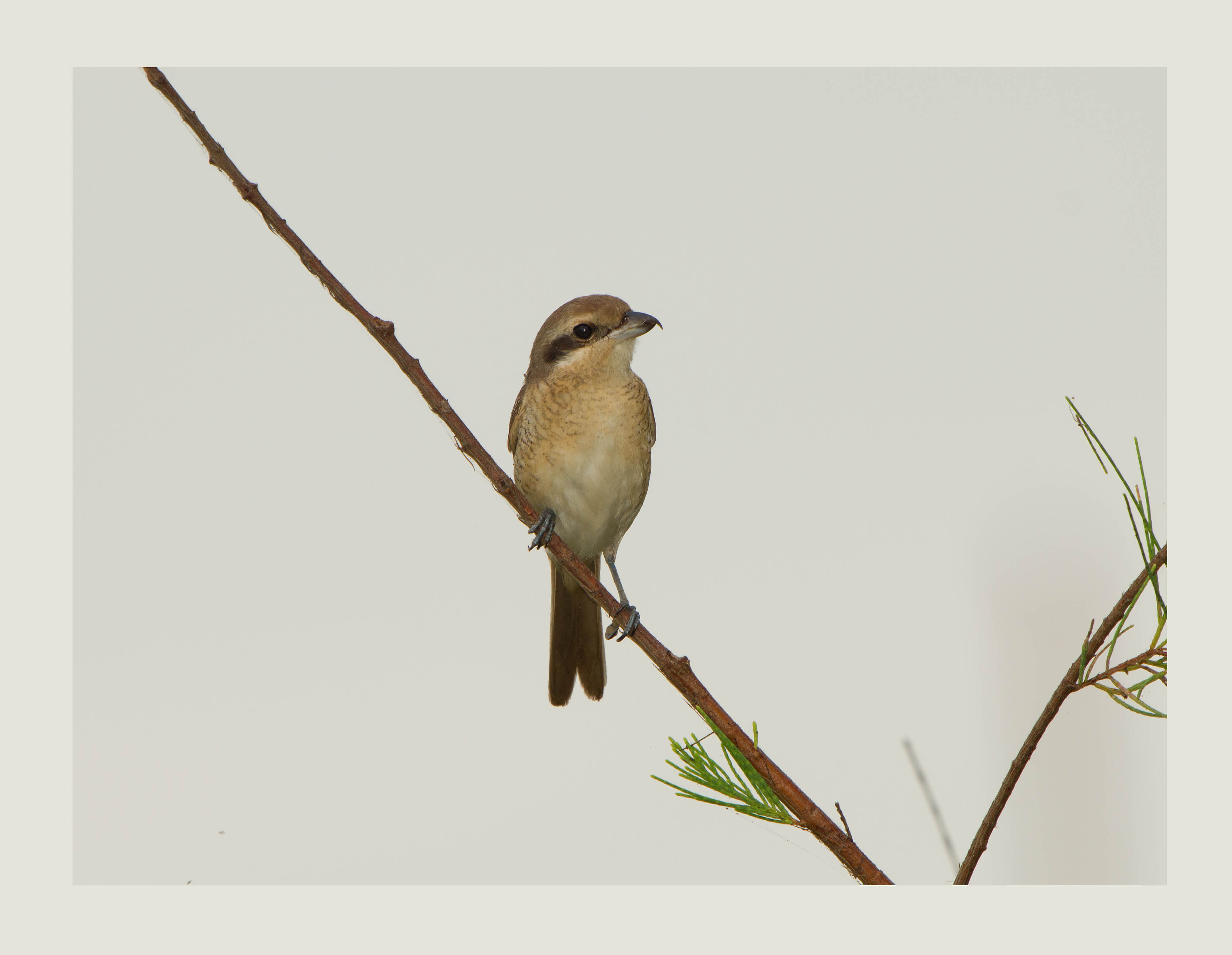
I had seen a Brown Shrike (male) on my first day and on my previous trip in 2012 a nice female (type). Today I found yet another female type, (and I saw it in the same territory each time I went to this area). I have read that Brown Shrike are very territorial in their winter grounds so this wasn’t a surprise. I did manage a nice photograph in the end but it wasn’t easy and I finished up using fill flash.
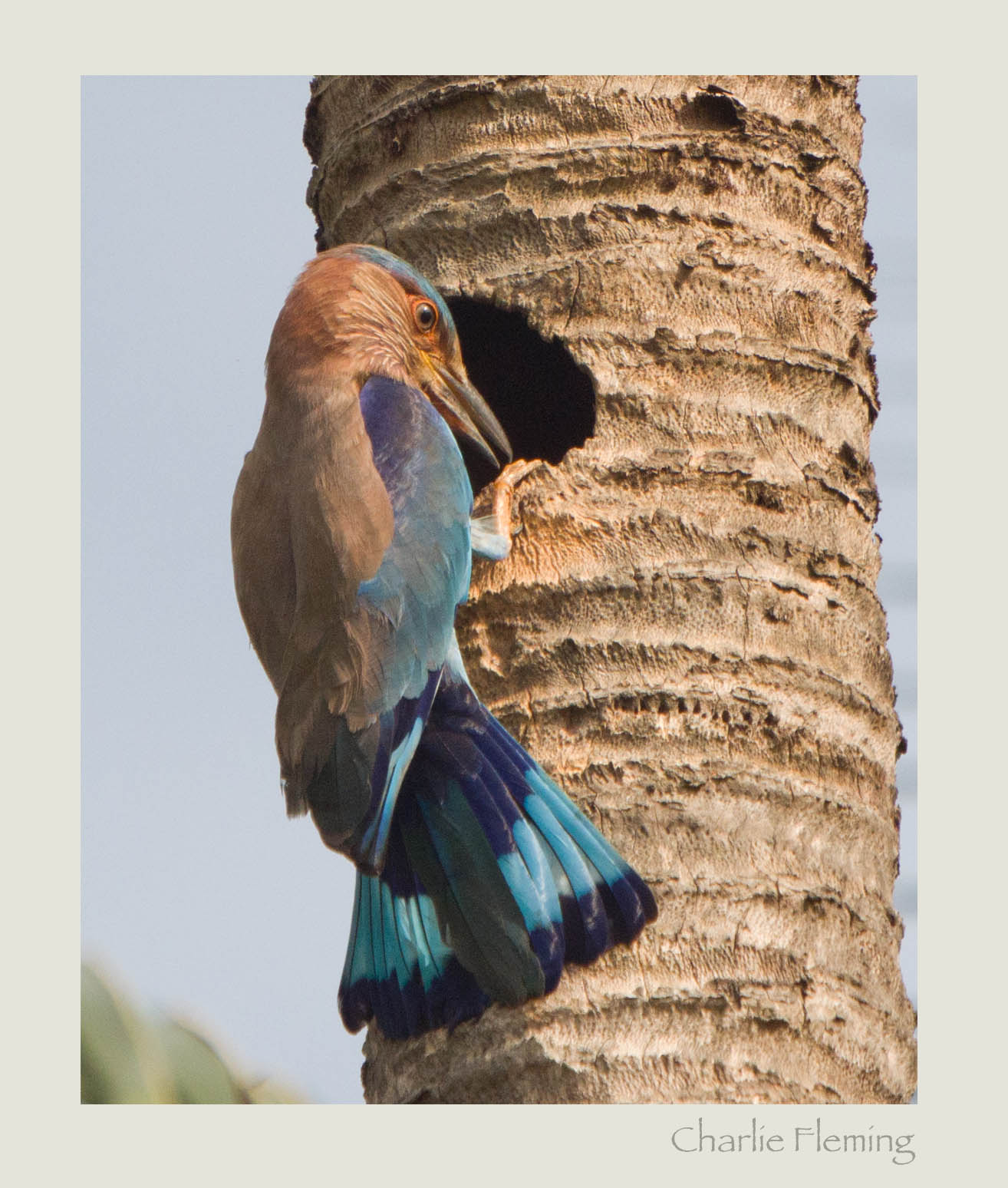
It was a great day for photographs in the end and all from around our accommodation. Terry told me that he had seen the Indian Roller perched on top of a dead Coconut tree in the adjoining grove. He told me that he had seen it going in to a hole. I was very excited to see this and it didnt take much watching to see this for myself. Both sexes are identical so I dont know if it was the male or female but it certainly was interesting to see them coming and going in to what was obviously a nest hole. Even more interesting was the realisation that a pair of Ring-necked Parakeets had a nest in a hole just a bit further down the tree. Every now and then there would be a “racket” as the Rollers argued with the Parakeets. I was hoping to get photos of this but it never happened while I was watching unforunately.
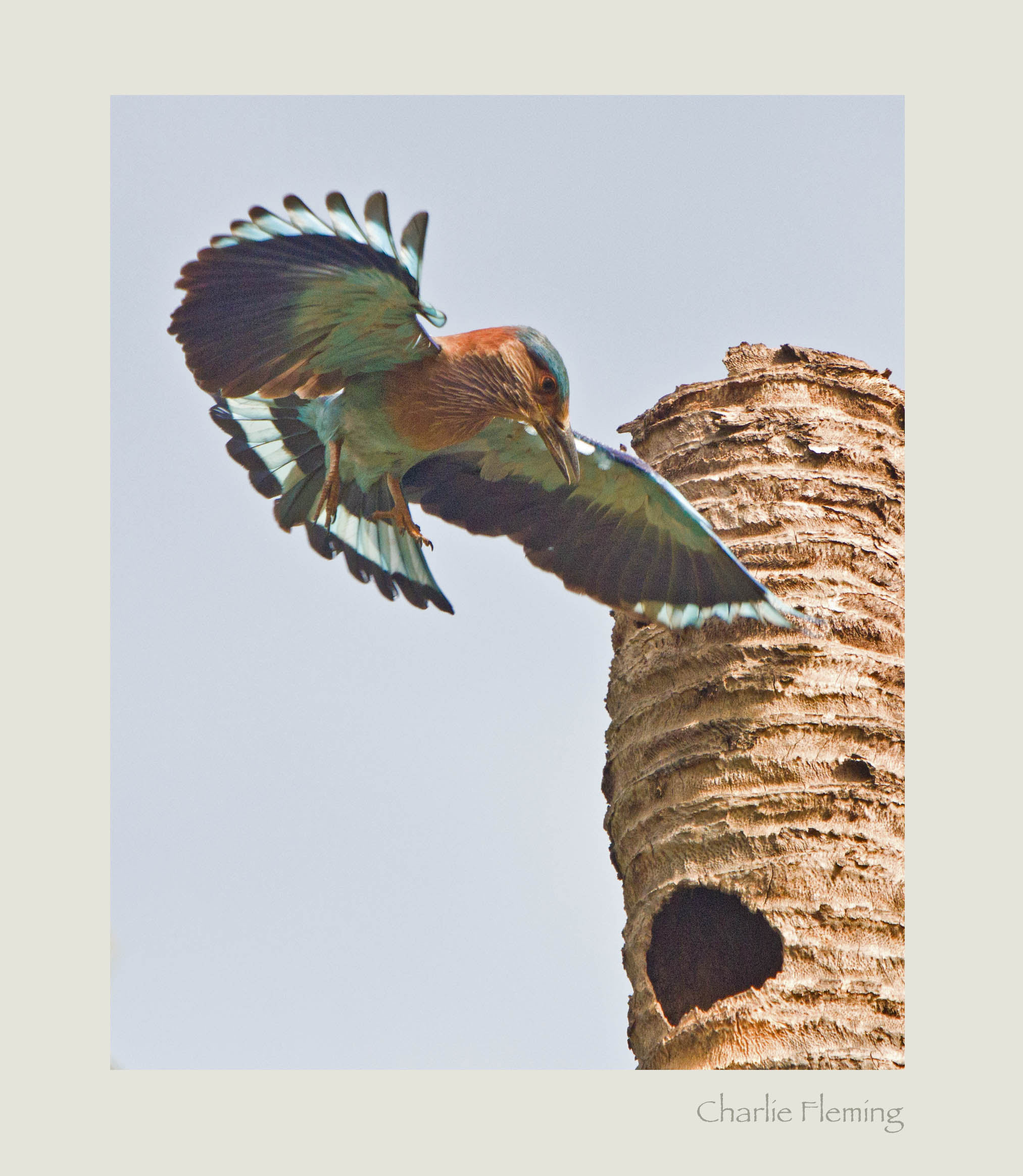
Here, one of the Rollers flies down to the nest hole and then when it gets there, perches on the hole and calls to it’s mate within.
 Wildlife in a Suburban Garden