
I didn't know how to start this post, I mean, what should I talk about first…. it was such an incredible two hours on the Dart Princess this morning. We pulled out of the harbour at 9 prompt on a full tide, the weather was not the best, it was overcast and a little choppy but with reports of so many birds around the bay it was also exciting and anticipation was high. The skipper steamed at a good rate of knots straight across the bay towards Berry Head in the hope that we may see something a bit different than our previous trips when we had mostly "chugged" along hugging the shore-line. We picked up good numbers of feeding Northern Gannets as we crossed the bay, these are very impressive birds when you are close to them. Some were sitting on the water and presented good photo opportunities but to be frank, you really have to know how to get the best out of your equipment when it is dull and overcast. (I am not saying I do, but I'm getting there).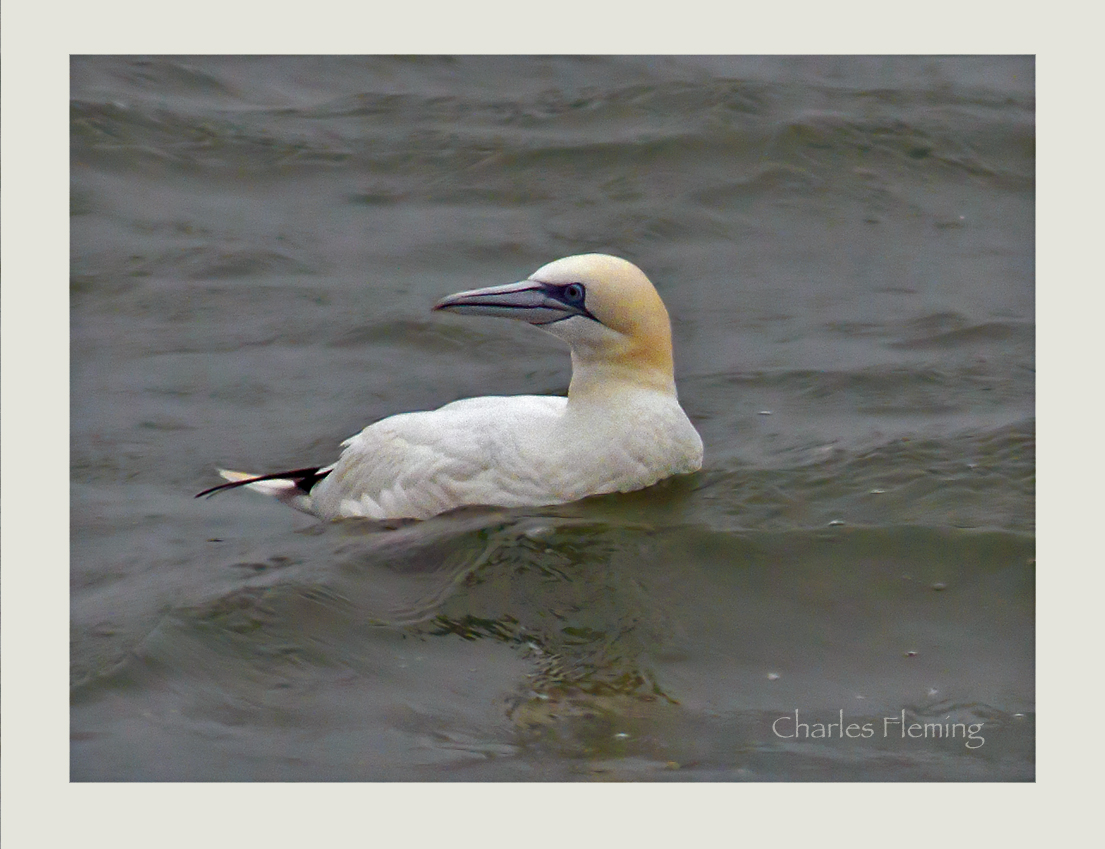
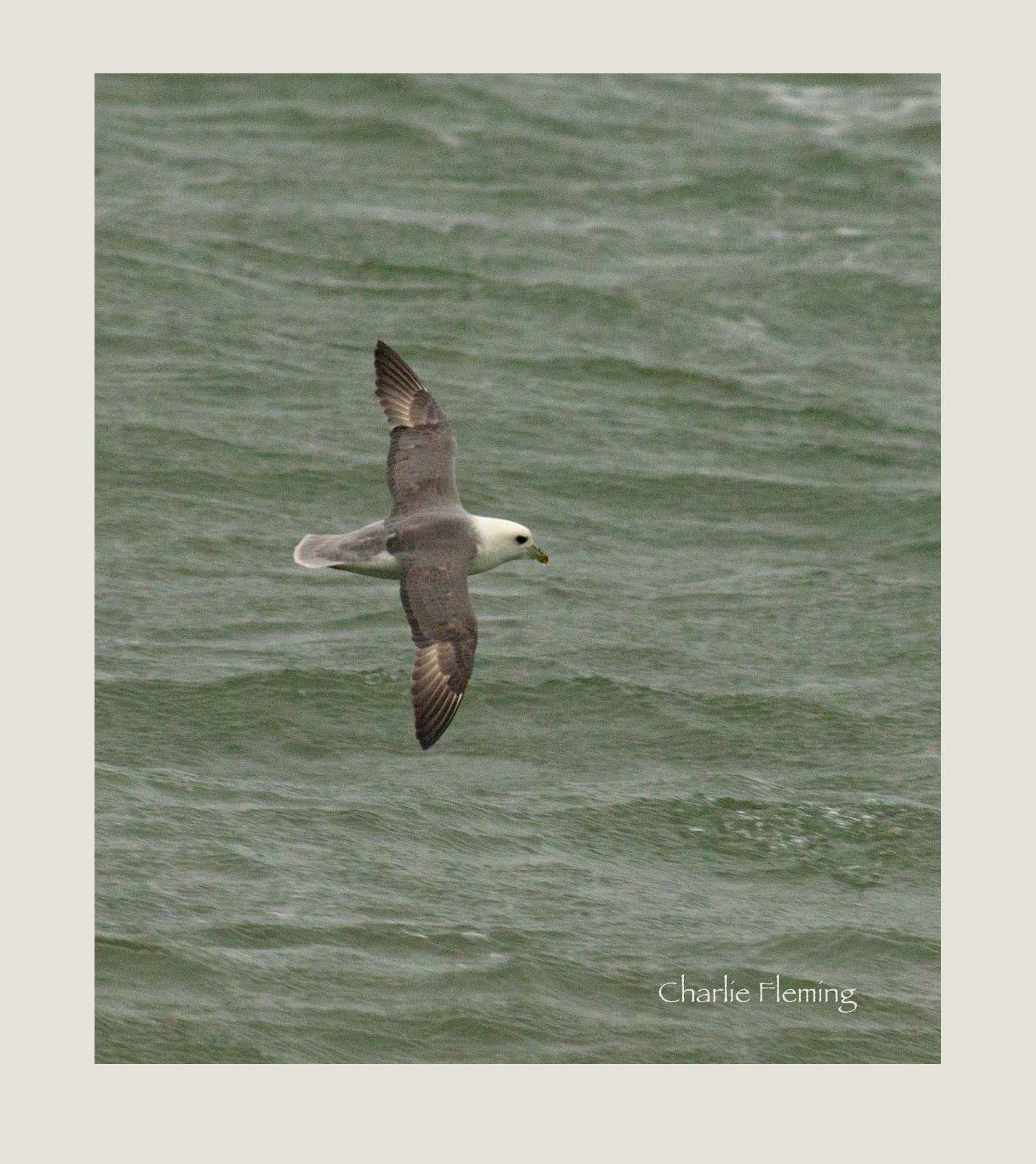
Out there at the head there was lots of feeding activity with numerous Shag, Guillemots and flying Fulmars…. and the Gannets of course. The Fulmars seemed to be already looking for nesting sights on the cliffs and from time to time they would sweep past us in classic style. Fulmars are in the same family as Albatross and you could certainly see that in their flight even though comparatively they are much, much smaller of course.
Suddenly some of the other passengers had the expected sightings of Porpoise and it was just a matter of seconds before I luckily caught sight of them as well. Apparently there were between 5 and 7 which is the usual small pod size. It was incredibly difficult to get a photograph, Porpoise rarely leap from the water and trying to predict where they were going to break the surface was a lottery. However, success ws achieved just a couple of times and I managed my first photographs of wild cetaceans in my home waters. A big thrill! 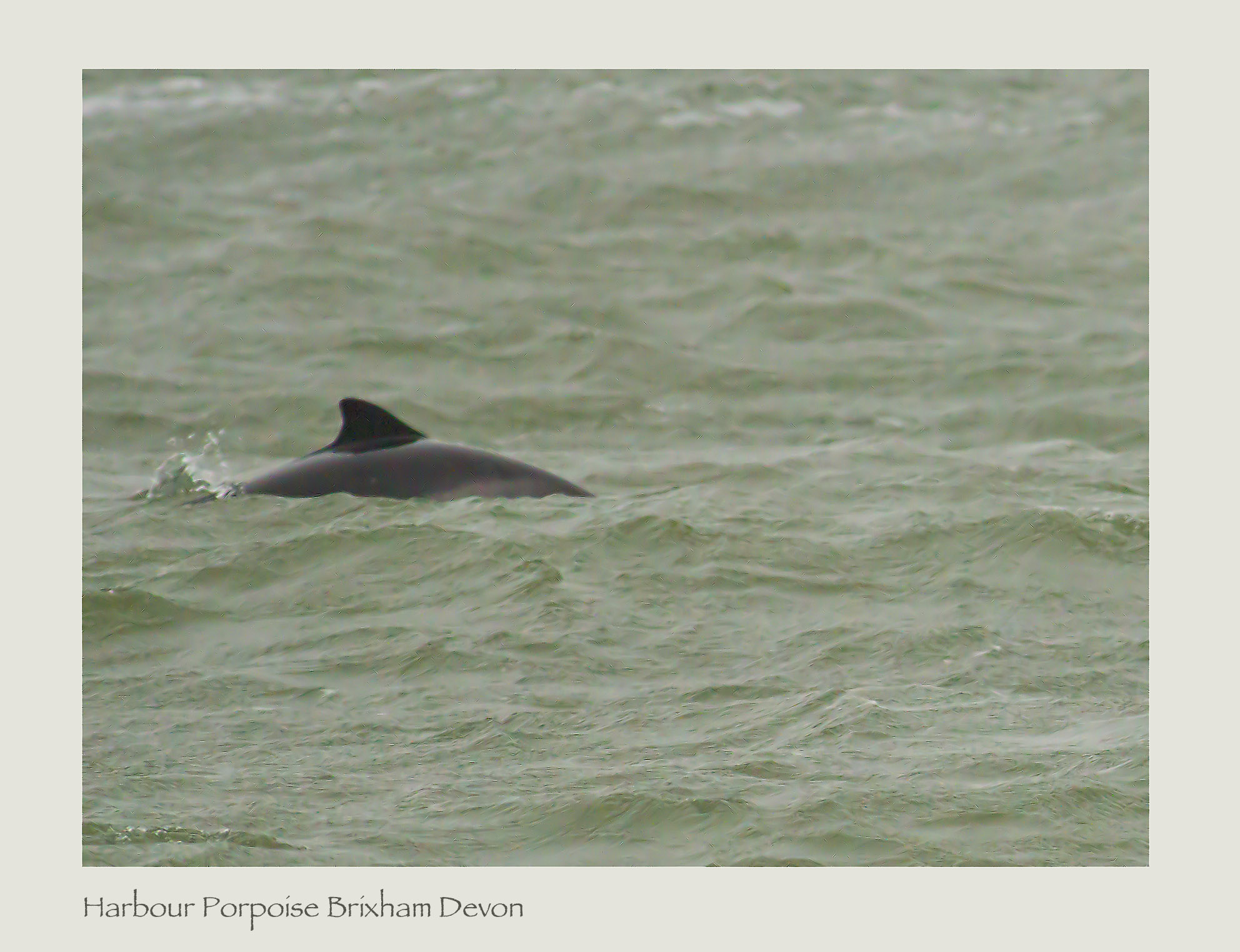
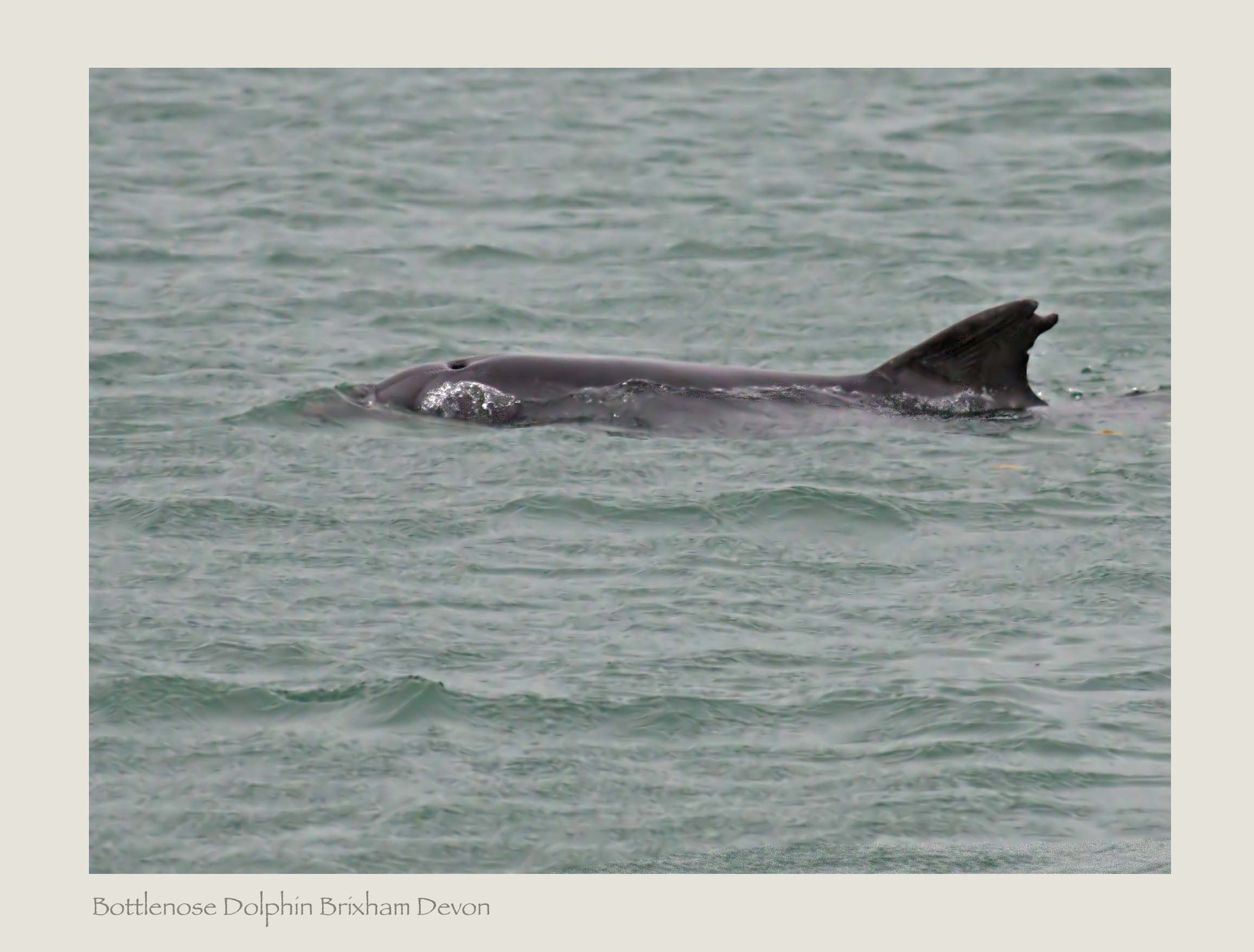
We lingered, but not for long enough for my taste but when you are on a boat with other people, everyone's wishes and interests need to be taken in to account, so we turned and headed back in towards Brixham Breakwater and then the most incredible thing happened. A Bottle Nosed Dolphin breached right next to us. This is only the second time that I have seen Bottle Nose in Devon an the first chance to get a photo but it was hard. In the end it stayed with us for around 30 minutes following us right in to the harbour slowly past the breakwater and even o the mouth of the inner harbour. In the end I did manage a few shots and in the one at the top you can see it's beak under the water. My impression was one of awe, you could clearly hear it as it emptied it's blow hole, I wouldn't have expected that. I rushed down to the lower deck of the boat and I am sure that he saw me and came close to see me. I was on the stern above the prop, he swam towards me and hen I could see his entire length and shape just under the surface. Nigel, the guide, told me that this was a well know individual, a loner nicknamed "Nick" due to it's damaged dorsal fin. He was in a bit of a mess and had lots of scratches and scrapes including the damage that you can see on the fin. 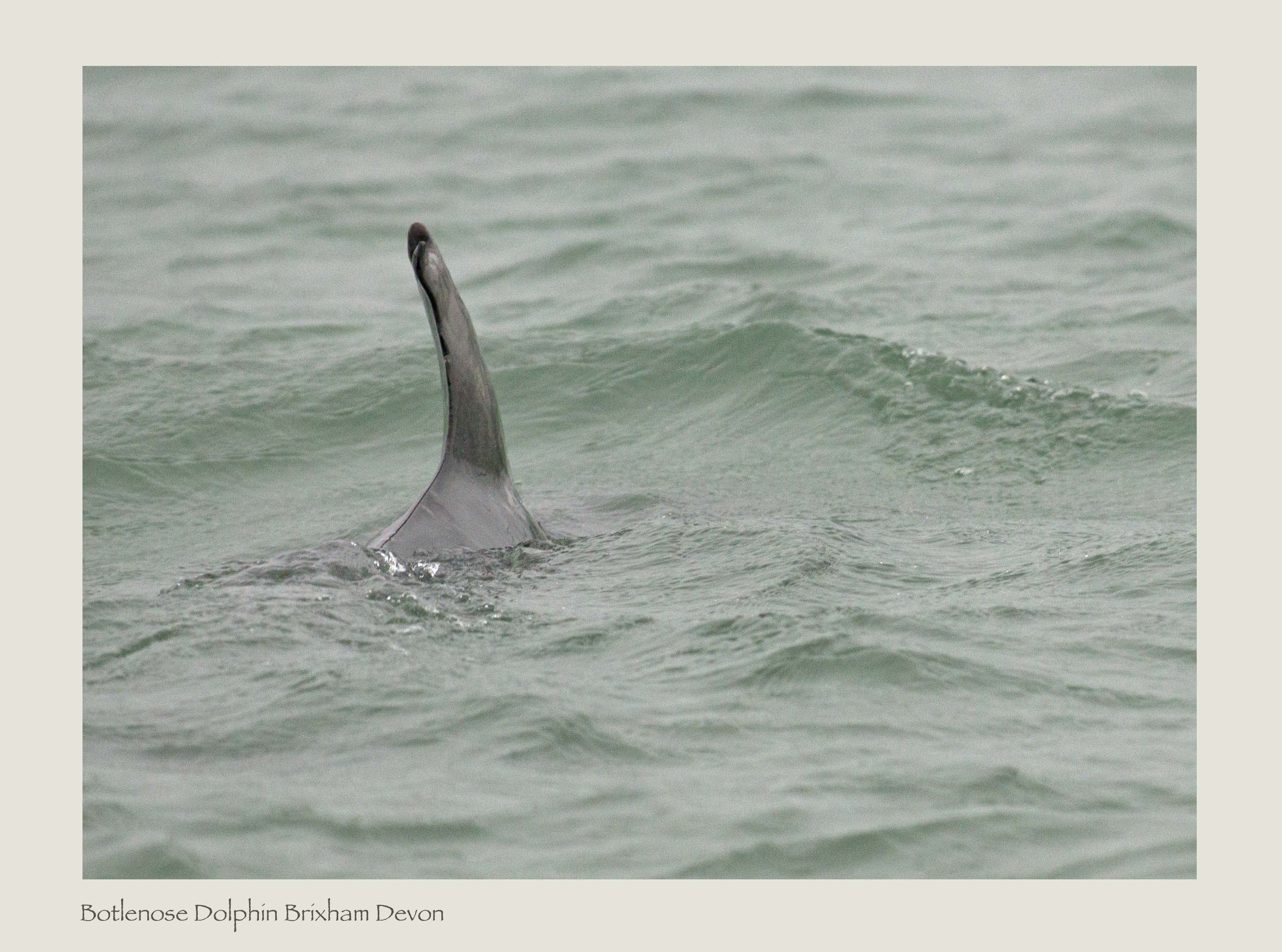
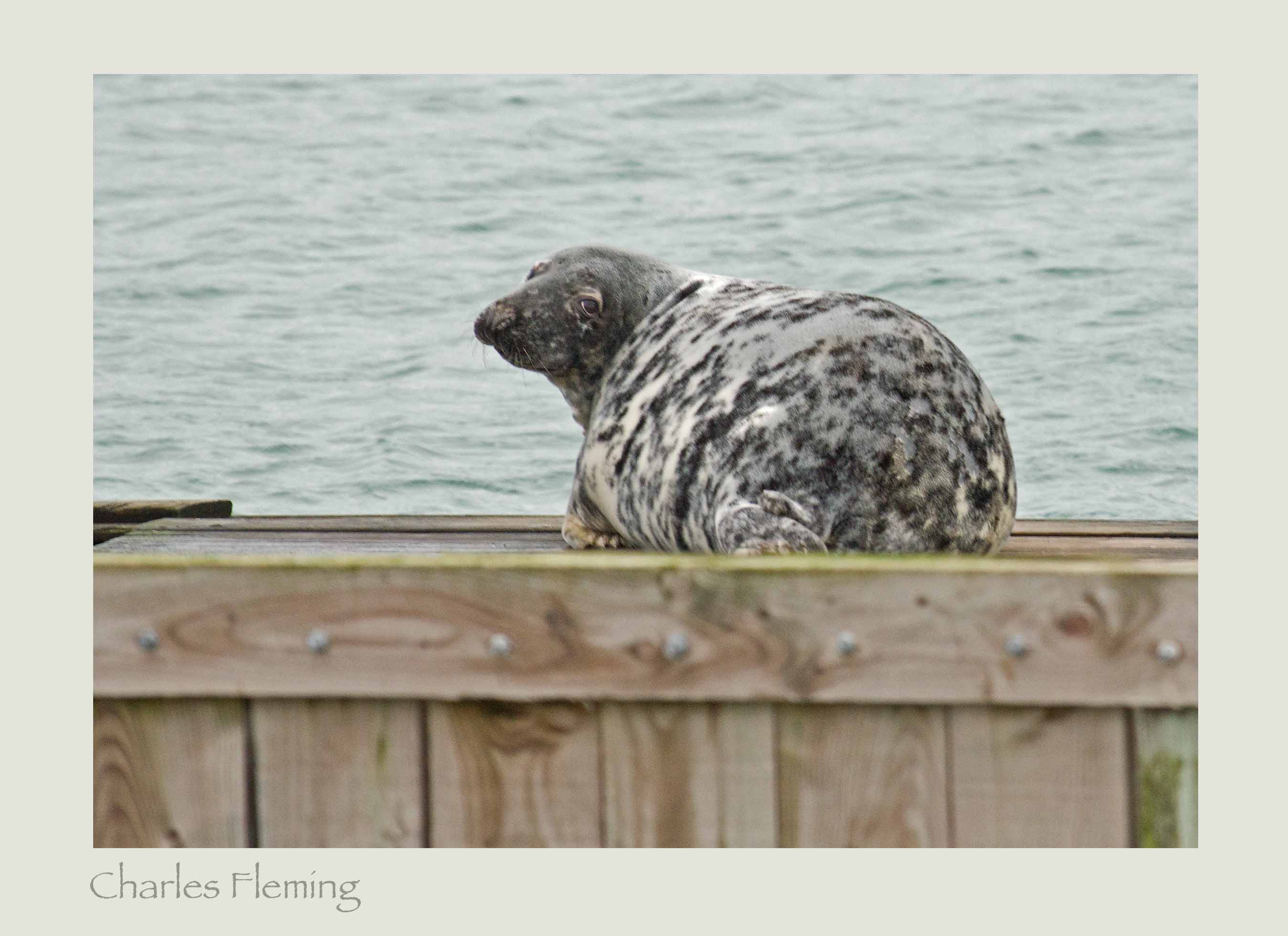
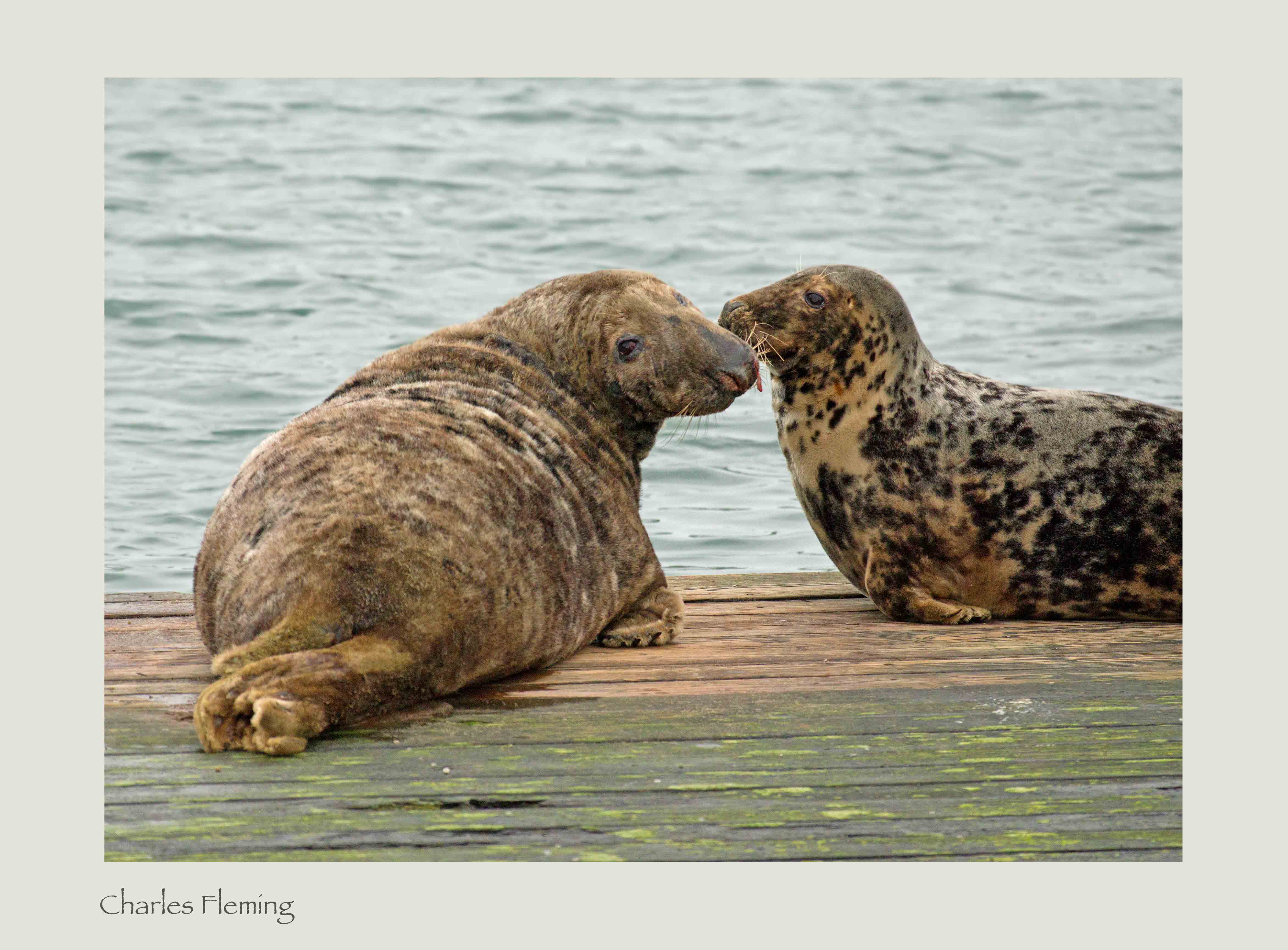
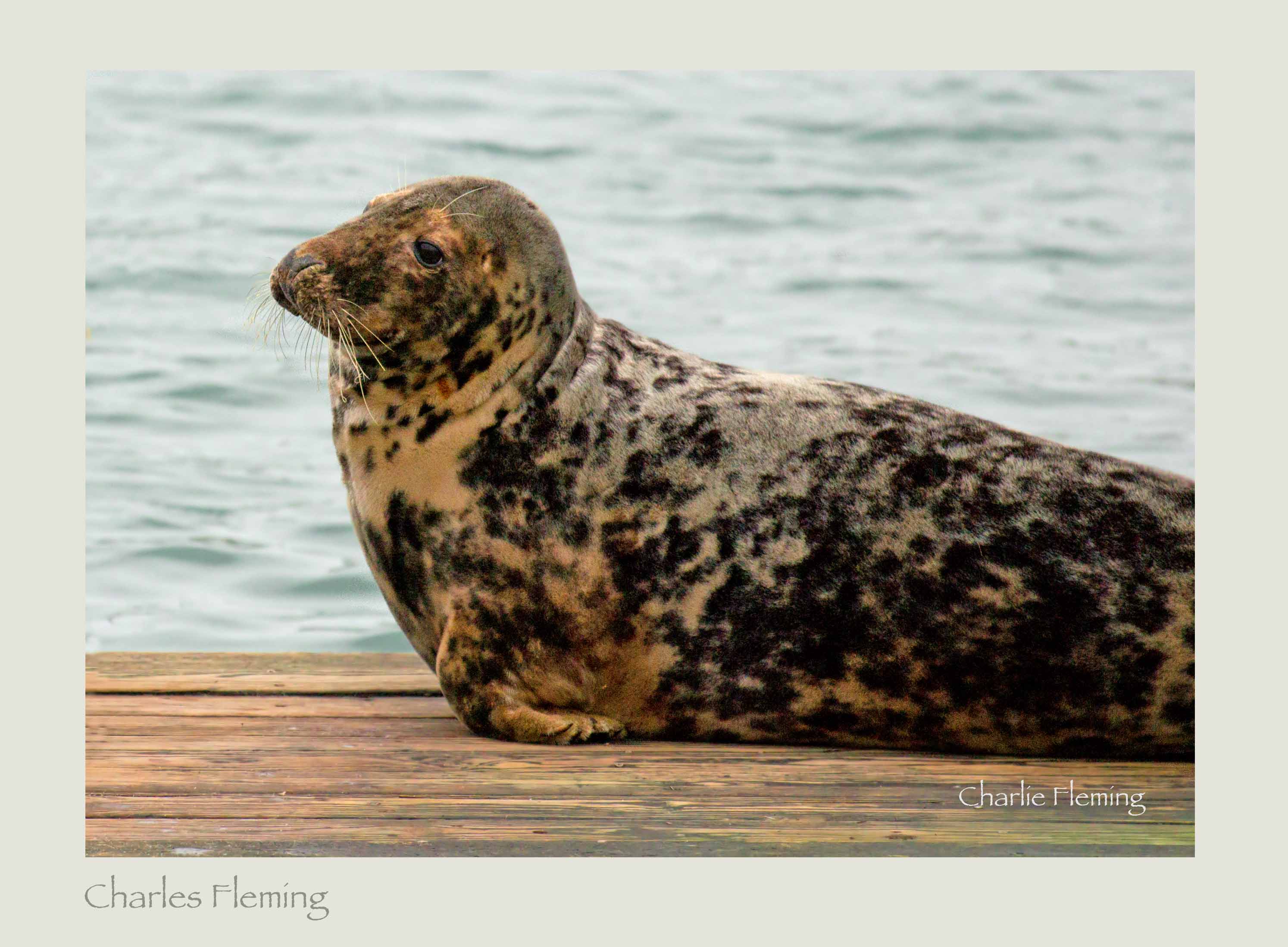
The Grey Seals seen on the trip today were very impressive, they were hauled out on the floating pontoons, 5 in all (later on we saw 2 more), a good total of course. Amongst the seals was a pretty white spotted one, I hadn't realised that they are so variable in coloration but I discovered that the light ones are the females. They are also very distinctib=ve and they can be identified by their patterns. As I photographed the seals I could clearly hear the "blowing" Dolphin close by, a massive distraction to say the least. I hope you are as impressed with these seals as I am. These are big animals and is testimony to the the environment here, It's so reassuring to know that we have all this wildlife in Devon.
.
Once inside the inner harbour we were lucky and I was very excited to see a Red-necked Grebe very close and giving me the opportunity to take a few photographs that have improved my photos of this species. 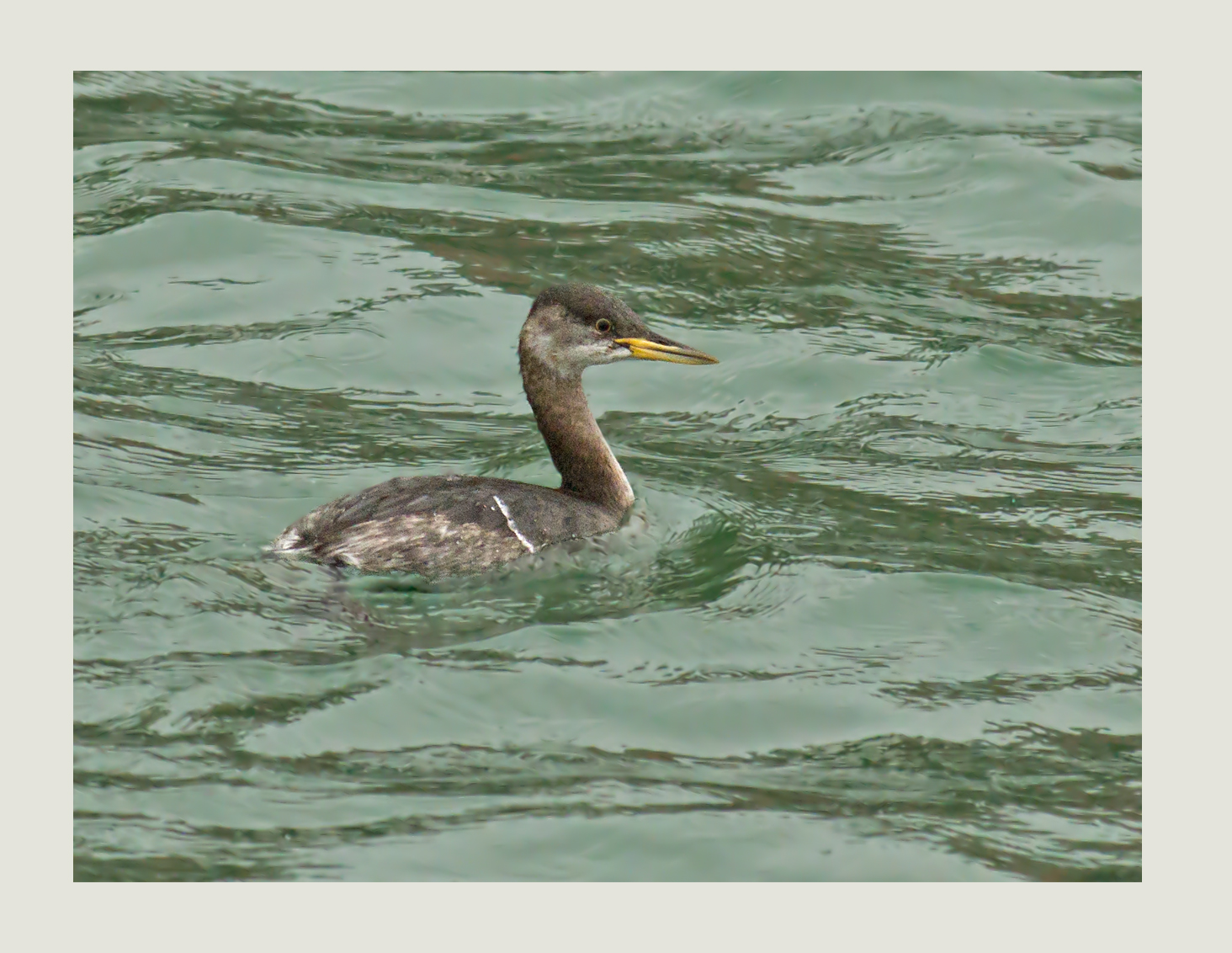
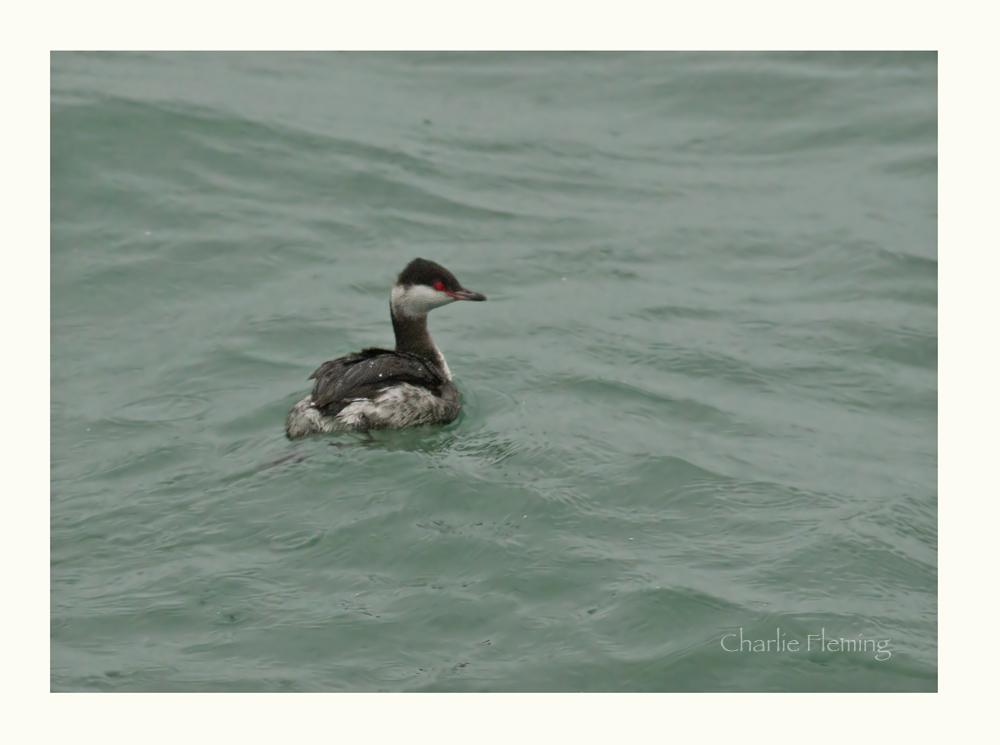
Finally, as we steamed back towards Paignton we came upon another grebe which I immediately though was a Black-necked Grebe, however, Chris Proctor had seen it in flight and identified it as a Slavonian Grebe, only the second one that I have photographed.
.
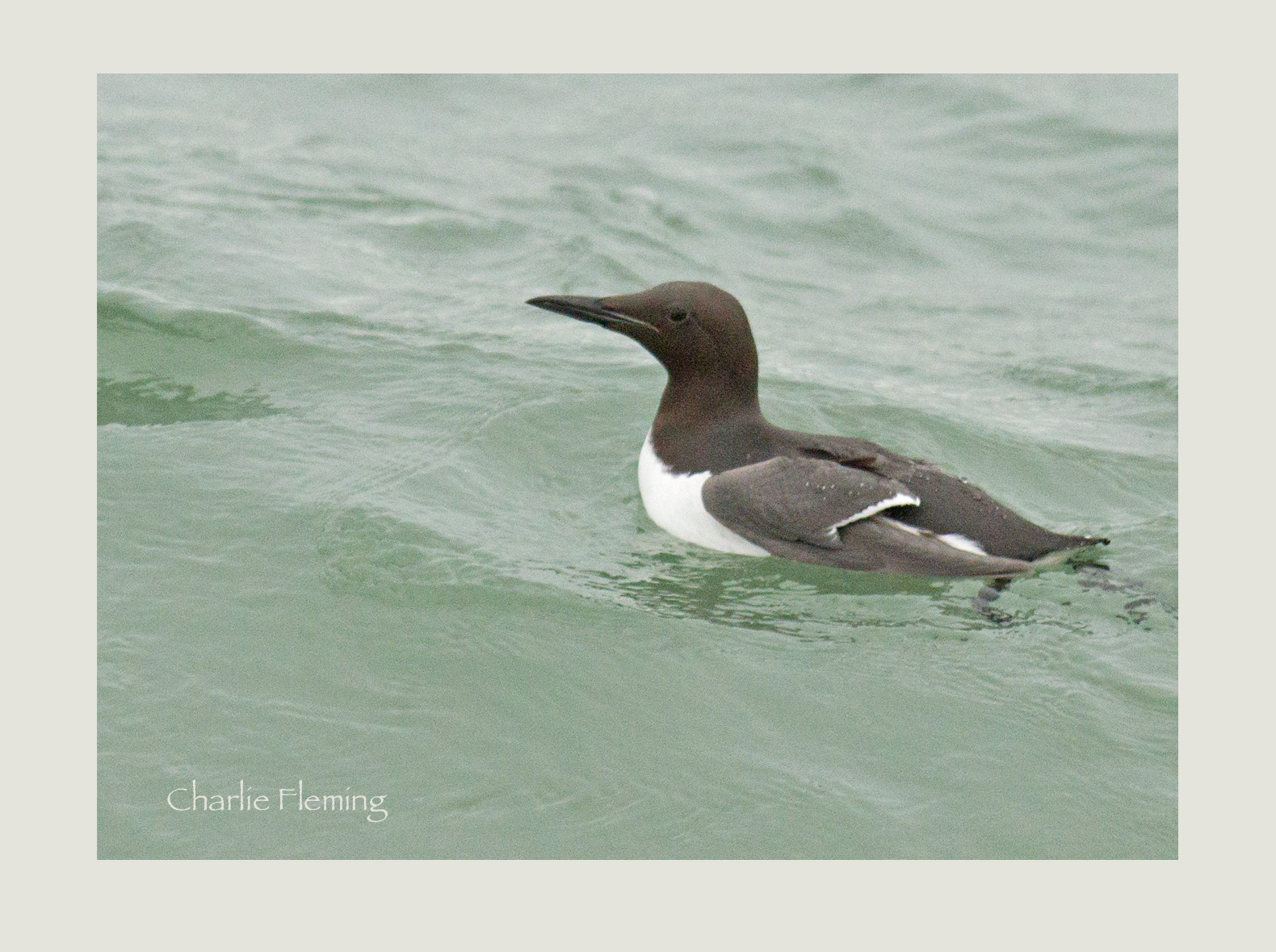
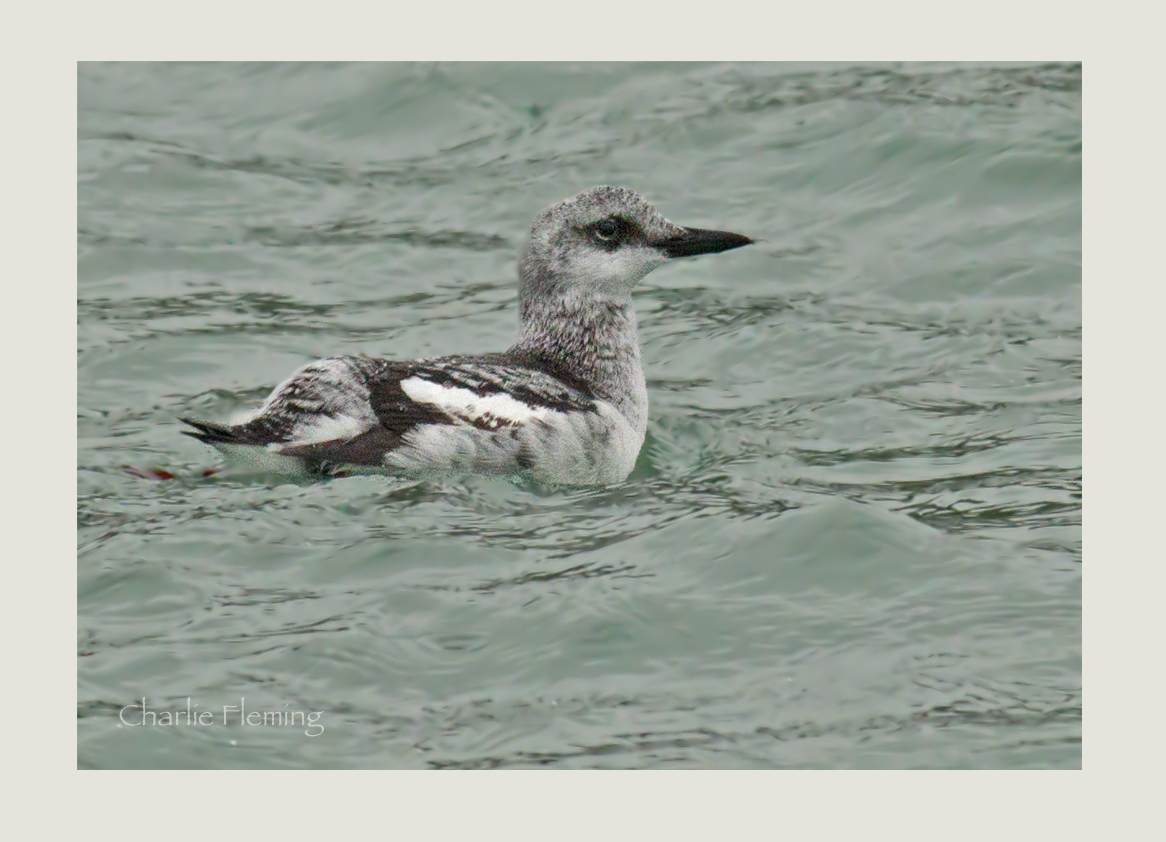
This is a Guillemot from earlier, followed by yet another Black Guillemot, probably the one that I photographed earlier in the week.
.

 Wildlife in a Suburban Garden
Leave a comment