
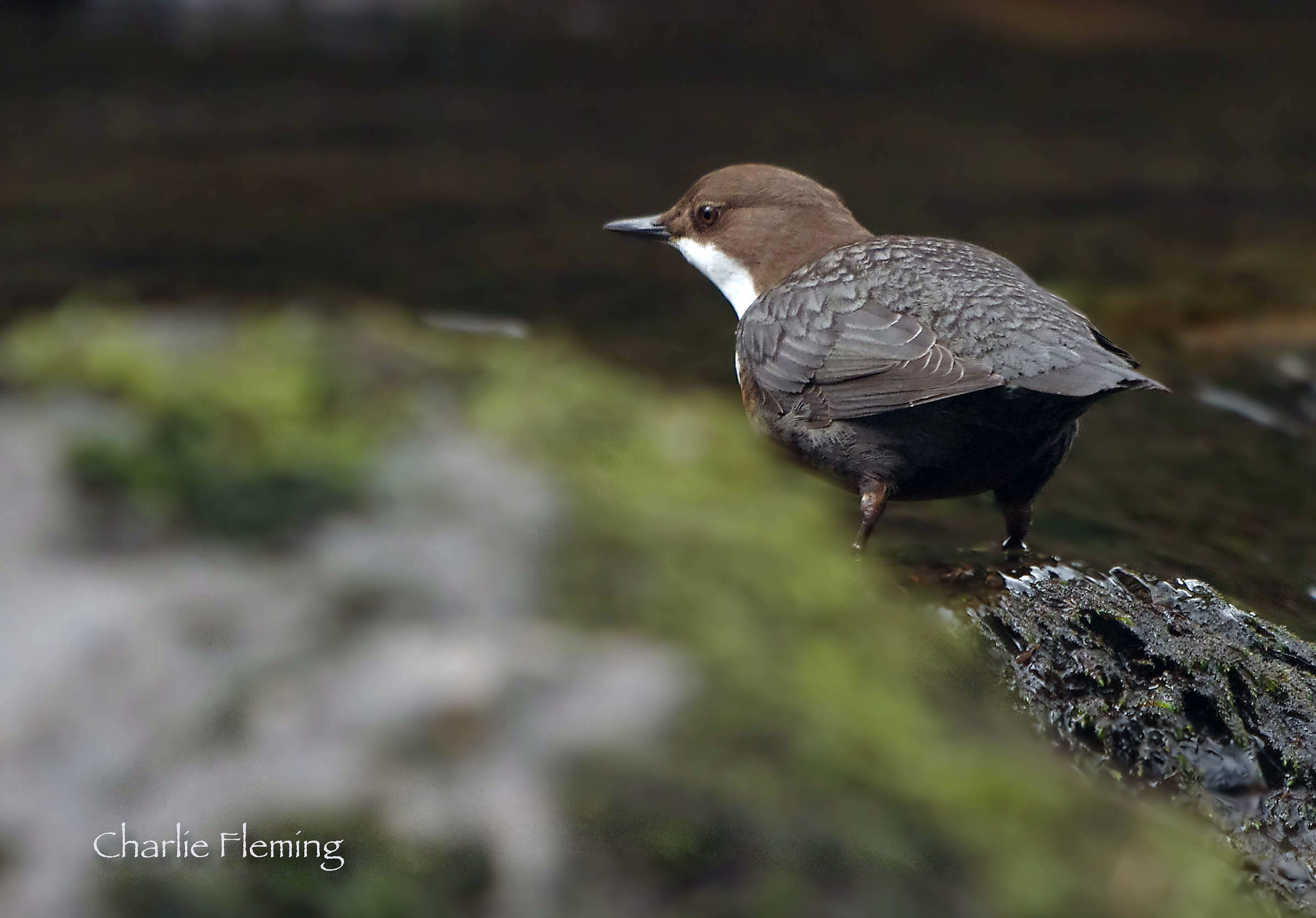
I had my first proper close-up Dipper encounter of the year today. If you read my Blog regularly you will know that I am a very patient, some would say obsessive photographer and I have already done around 10 hours in the little river side hide so far this February. I had been in the hide for 2 hours this morning and decided to come home at around 1 o'clock. At that point I had literally seen just one bird all day, a Grey Wagtail and that had just quickly flown by. I was bored and cold by now. I withdrew the protruding camera from the hide and was just about to climb out and leave, but remembering the other day when I had disturbed a Dipper as I exited, I quickly checked. Can you believe it, there was a Dipper just in front of me on the waterfall. I had been waiting for 2 hours plus and seen nothing and then just as I was leaving, now one was there. Unbelievable.
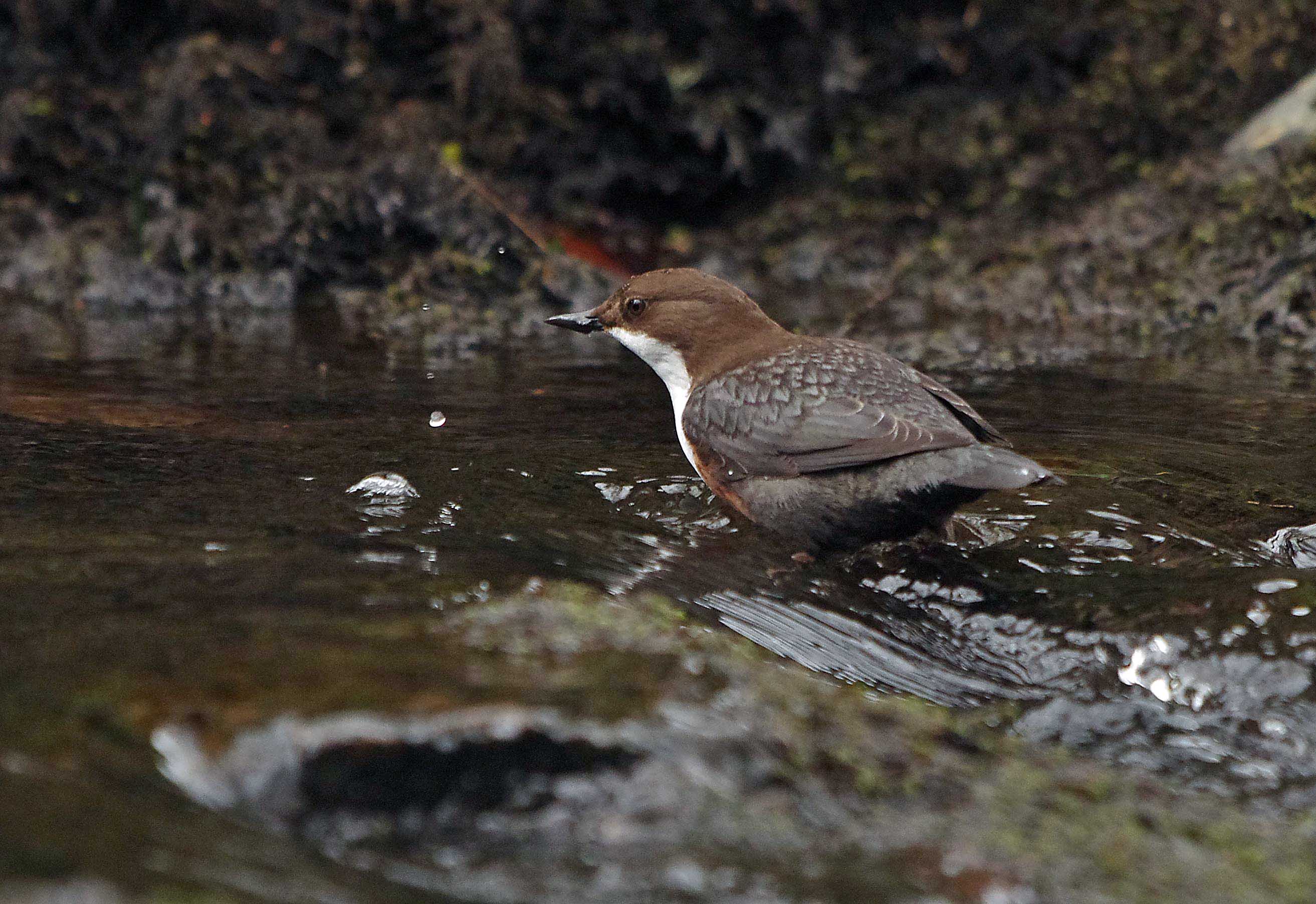
I poked the camera back through the hole, hastily but carefully but now with the camera off the tripod it was going to be hard to get sharp images, but that's the way it is and you make the best of it. The bird, a female I am sure, stood for a second or two and then started to fish which, although I have seen it many times before, was very interesting. It struck me that it was very successful because in just a minute or two it caught two different prey items. I have no idea what the first item was but it looked like a shrimp of some sort…… how could that be?



 Wildlife in a Suburban Garden
Leave a comment