Here's the Cuckoo from mid-June that I enjoyed watching so much. The perch he is on was originally 40 or 50 feet in front of me.  I  noticed that he liked to perch on a dead Hawthorn laying on the grass opposite so I decided to  put an alternative for him to land on.  Eventually after several hours of watching over a few days, he decided to use it. Then when he left I  moved it a foot nearer and then on every visit, I moved it a foot nearer until, after 15 days or so it was just where I wanted it… right in front and in perfect light.

Cuckoo_edited-3
It would be hard to describe the excitement and feeling when eventually he landed in front of me. It took me 4 years of thinking and planning to get  to this point and there he was at last.  I've called him "my bird" a few times and taken some real stick from people for doing that but when you have spent so much time with an individual bird, watched him, studied him, learned his behaviour and kept records of when he was there and when he wasn't and how his behaviour  changed depending on the weather, thats bbound to be the way you feel.  If it was wet and windy he reacted in a totally different way, when it was bright and sunny that dictaed a whole different behaviour. So yes, I felt possesive about the bird but as well, I was really happy to tell people about him. I even took people with me to see him and got wet eyed when I saw they were excited to see him.  On other ocassions I left my seat to creap down to the car park to show peole the bird and they were thrilled to watch him with me.  It is my true and honest opinion that the bird was constantly at this site because I had got him used to a human presence, I may be wrong but I think I am correct.
5HAS0054 copy
A few photos from the stables today.
5HAS0069 copy

5HAS0094_edited-1

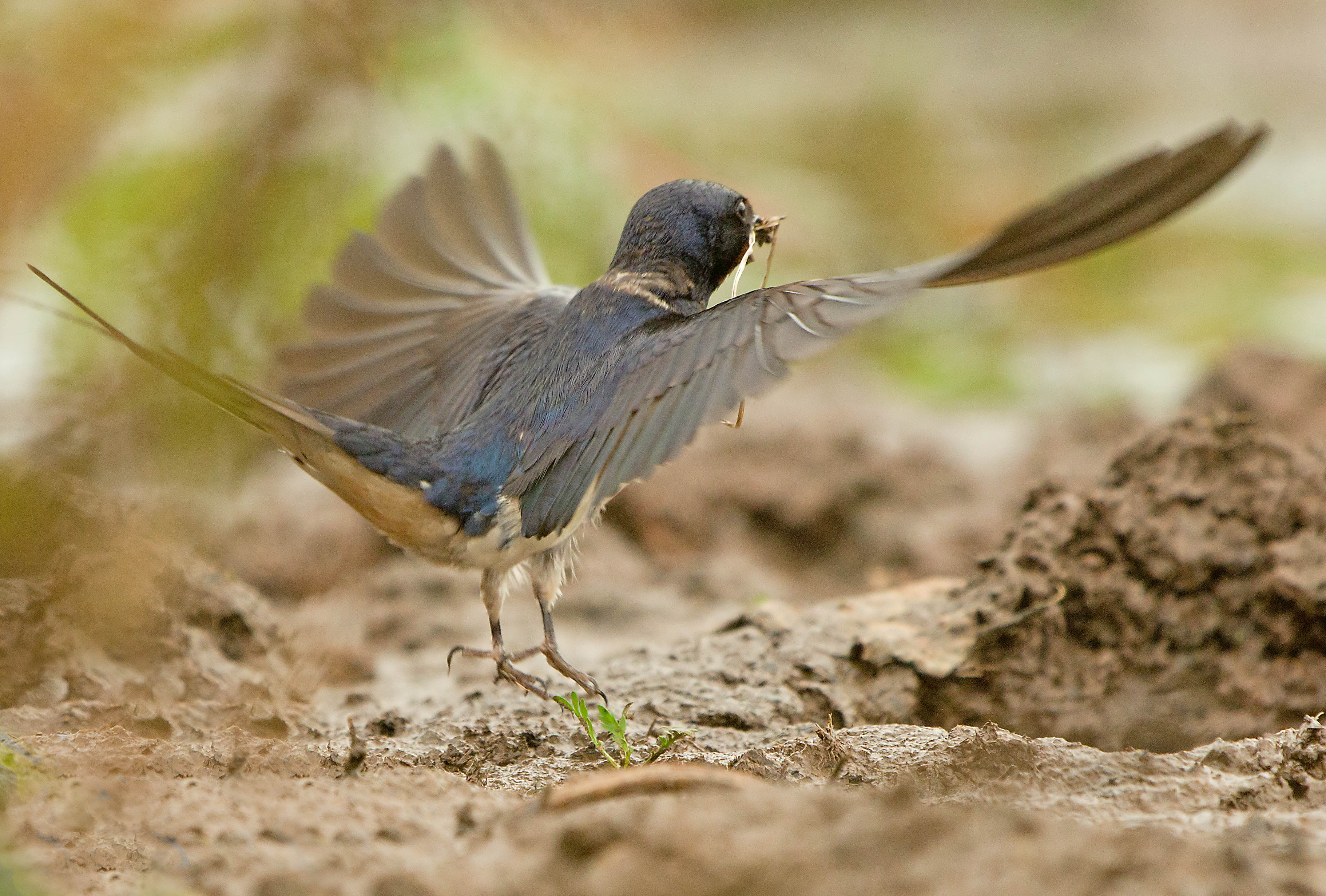
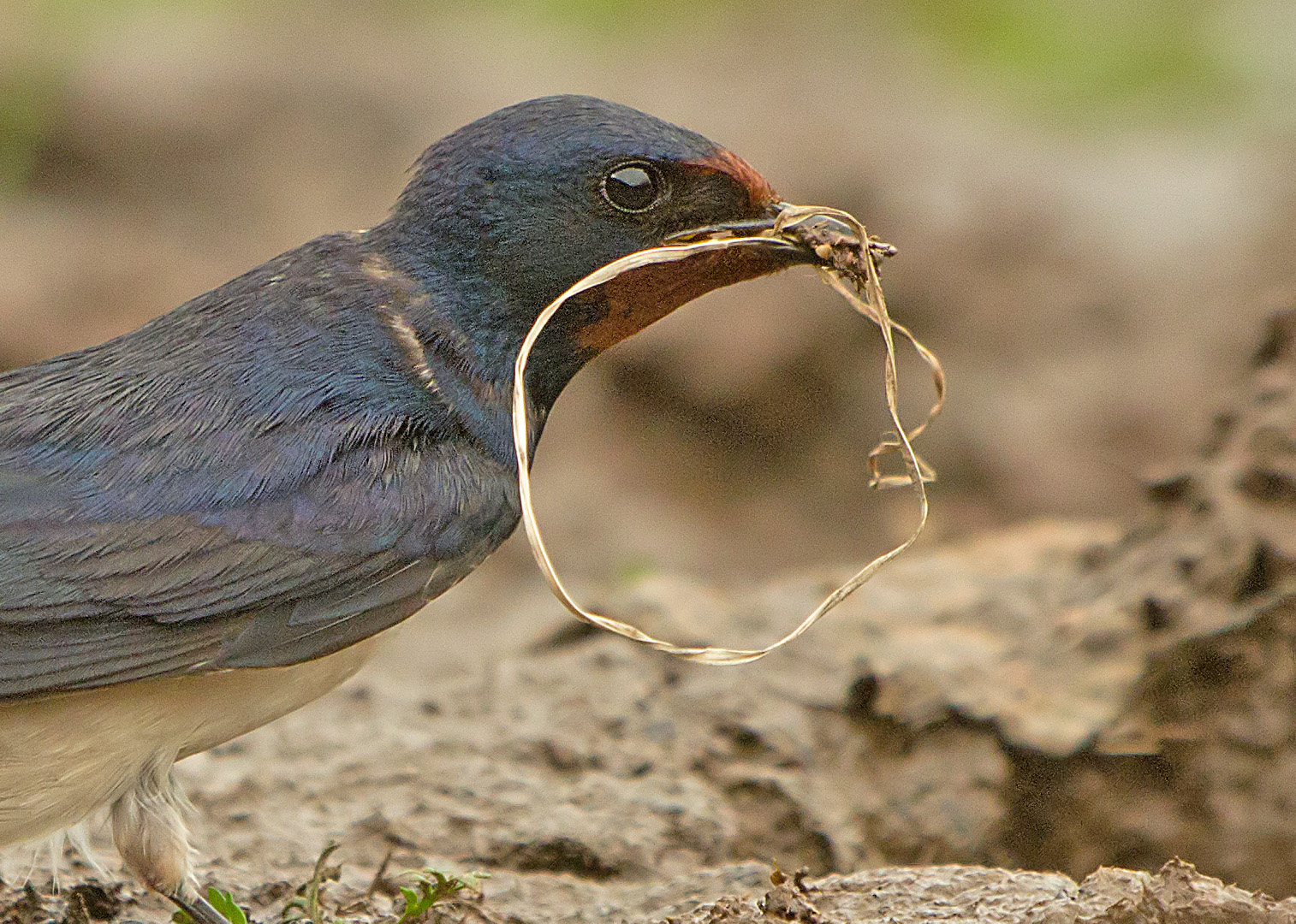
Swallow collecting mud.


5HAS0230_edited-1

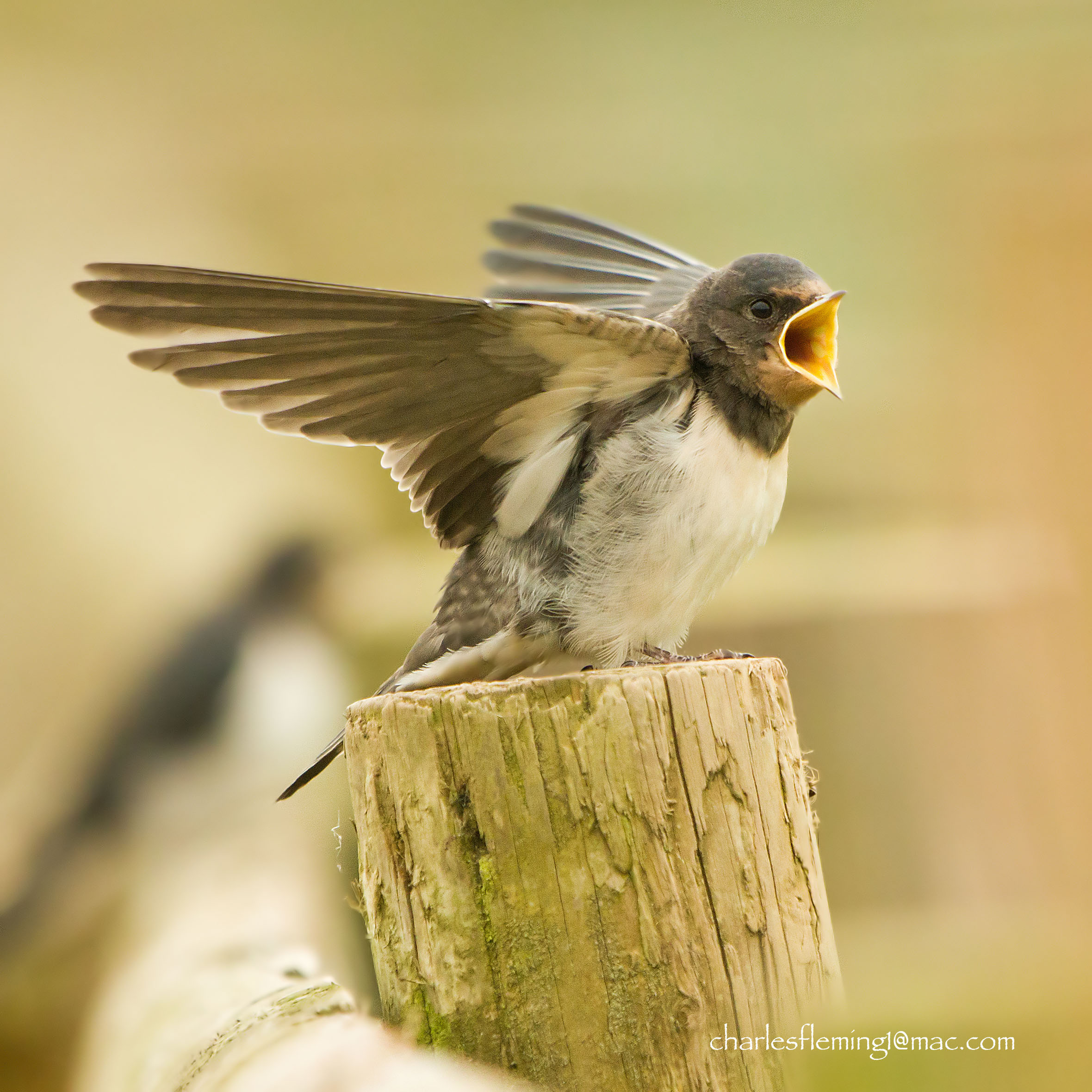
A baby Swallow begging to be fed. I just adore this photo. The baby swallows having recently left the safety of their nests inside the stables  perch on the fences waiting to be fed by their parents.  Watching them over the last few days has made me realise  how important the stables are for many species of birds. Firstly the indoor stables provide perfect nest sites but the feeding opportunities are perfect as well.  The paddocks provide a great food supply with insects atracted to the manure (which is incidentally, constantly cleared by really hard working, mostly girls.) As well as the Swallows and Martins there are Pied Wagtails, Goldfinch, and Greenfinch.  House Sparrows nest in the stables as well. The large puddles also attract the birds as a place to drink and bathe and also for mud which the hirundines (thats swallow type birds), use to make and repair their nests. Yesterday on two ocassions the birds went crazy mobbing, firstly a Magpie who was on the roof  with an egg in it's mouth and then a female Sparrowhawk swooped over the roof followed by a mob of birds. My impression was that he had managed to grab a bird as he zoomed accross the paddocks.


5HAS9975_edited-1

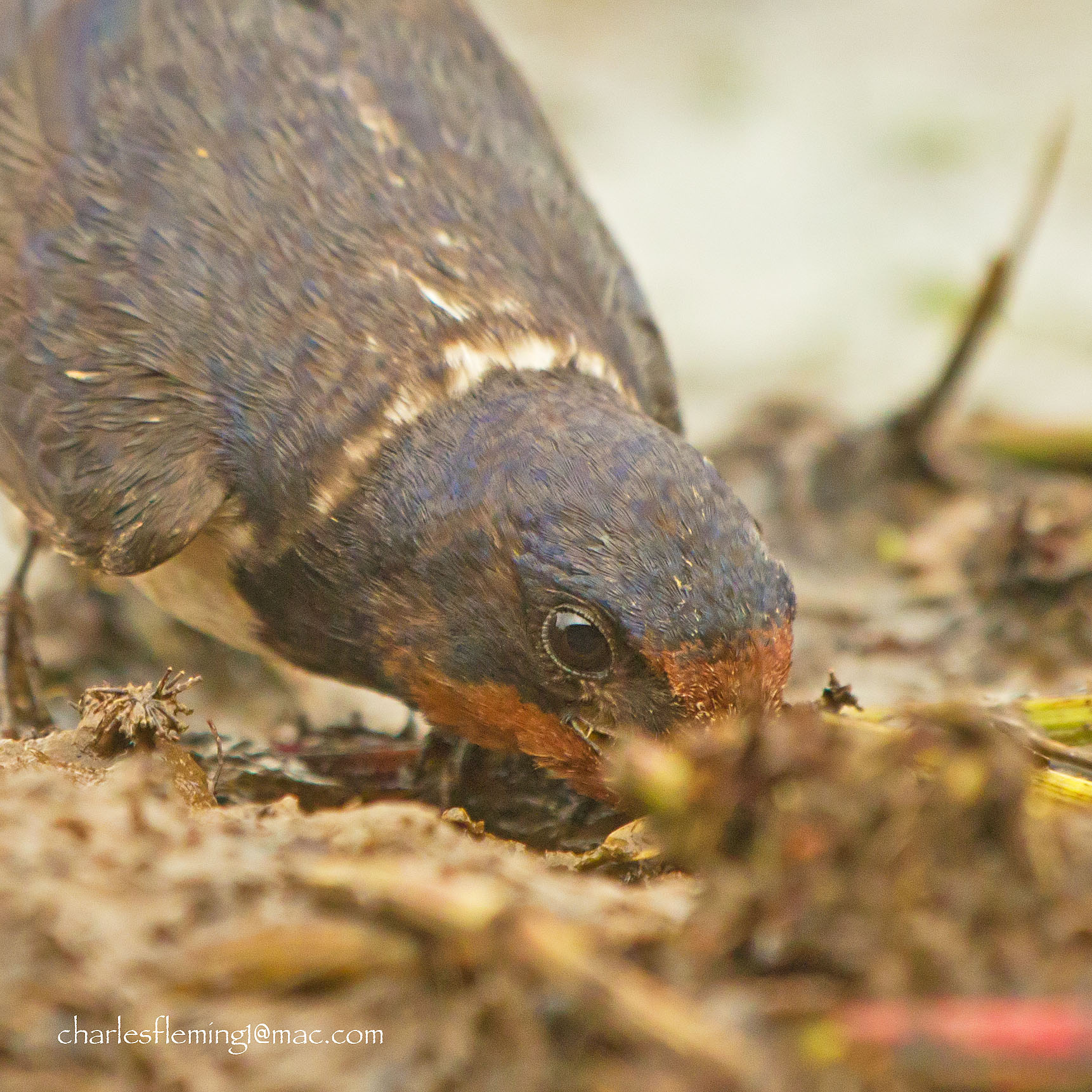
House Martin collecting mud to repair the nest.  I was struck by how blue they are when you get close enough to see. Swallows have more than a hint of blue on their backs but not as intense as a House Martin who with their contrasting white fronts and rumps are really attractive.  They have a very big eye for the size of the bird which makes them very pretty.  Another interesting feature is the feathers on the legs which come right down to the toes
DelichonUrbicaFBI
.


Leave a comment

About the Podcast

Welcome to The Houseplant Podcast, your ultimate guide to houseplants! Join us as we explore the wonders and importance of plants in our lives.

Explore the episodes

Latest posts