
I was quite excited this morning because I had purchased a Ring Flash for use with my Macro lens. This is something I have wanted to buy for a while and eventually I splashed out and took the plunge. As it happened the day dawned as the dimmest and wettest for a few weeks. The flash arrived by post quite early and I quickly went in to the garden to give it a work out. It looks promising and I took a few interesting photos. I searched around in the dull conditions, the butterflies, hovers and bees were keeping a low profile in the dull wet conditions. I discovered some little aphids on the leaves of an “acer” in the garden and quickly put the ring flash through it’s paces. I took photos of, what turned out to be Periphyllus sp., the Maple aphid.
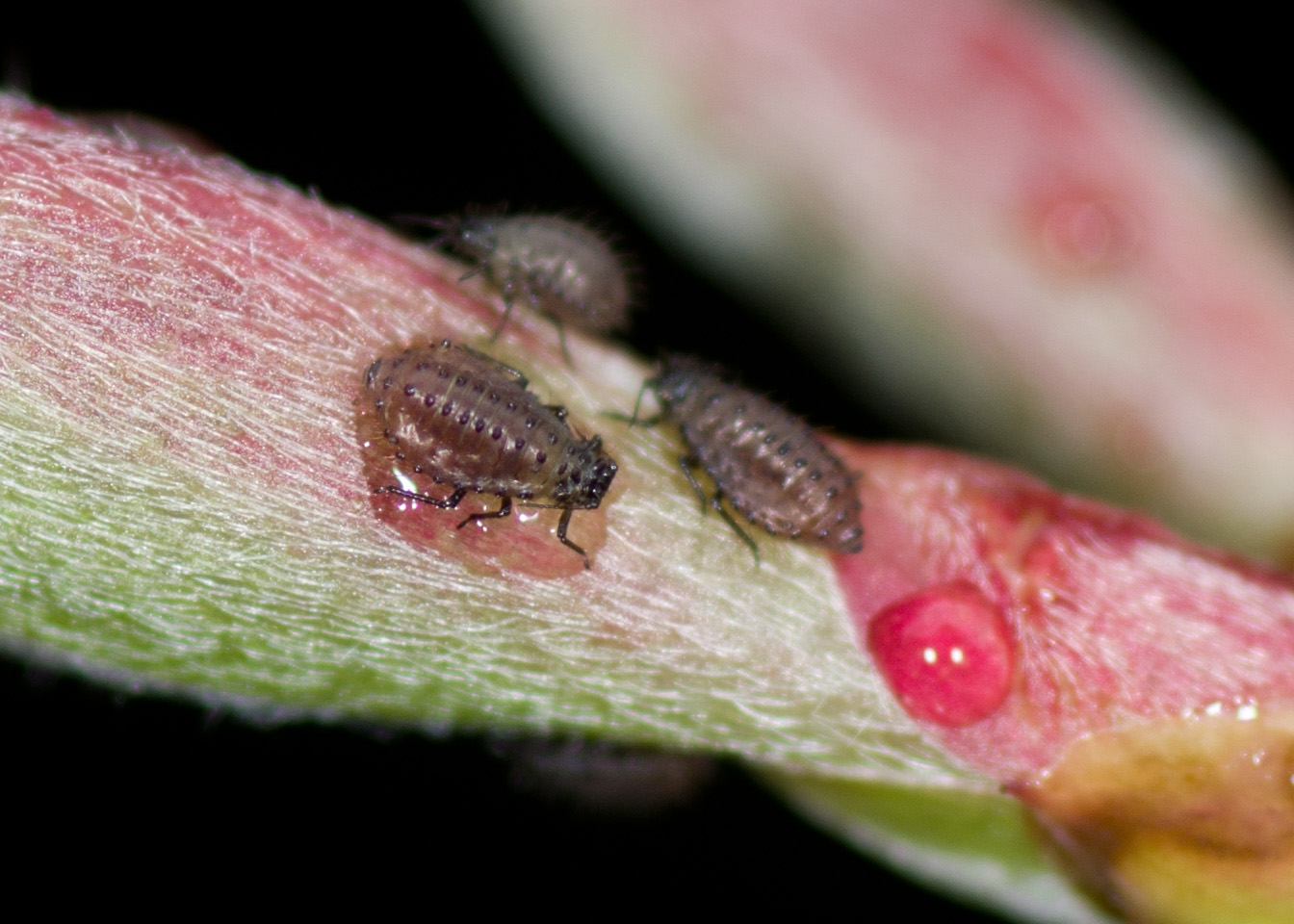
This is not only a garden first, it’s a new species for me as well, a good result.
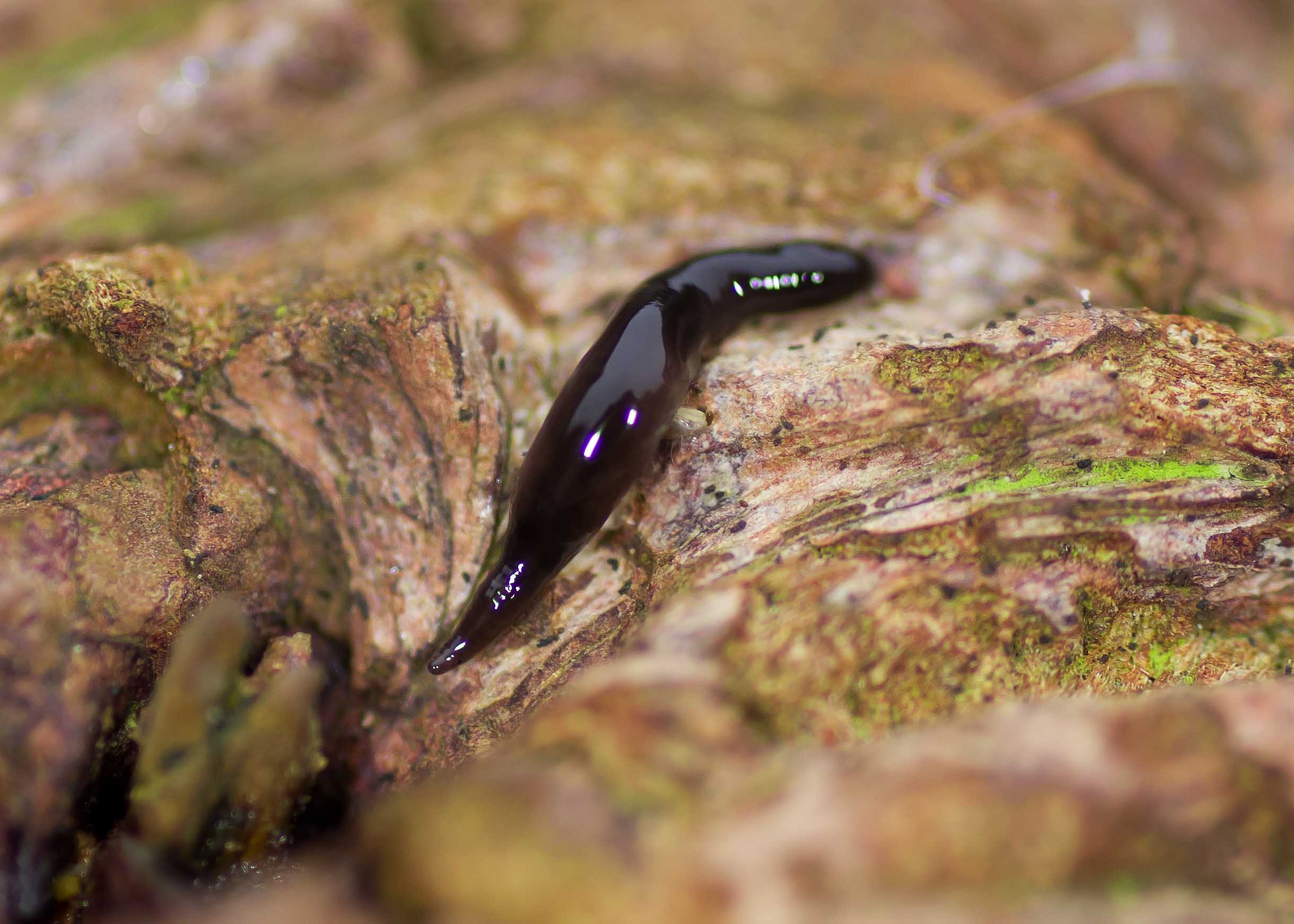
I kept looking and turned over a piece of bark from a rotting tree stump and saw a little worm-like creature. It was small, only around 7 mm long and shiny black. It was a small leech. Quite asurprise, again a garden first. I hadn’t realised that leeches can be found away from water like this. I have had it identified as a juvenile Horse leech. This is not a blood sucking leech. It feeds on earth worms and other tiny invertebrates.
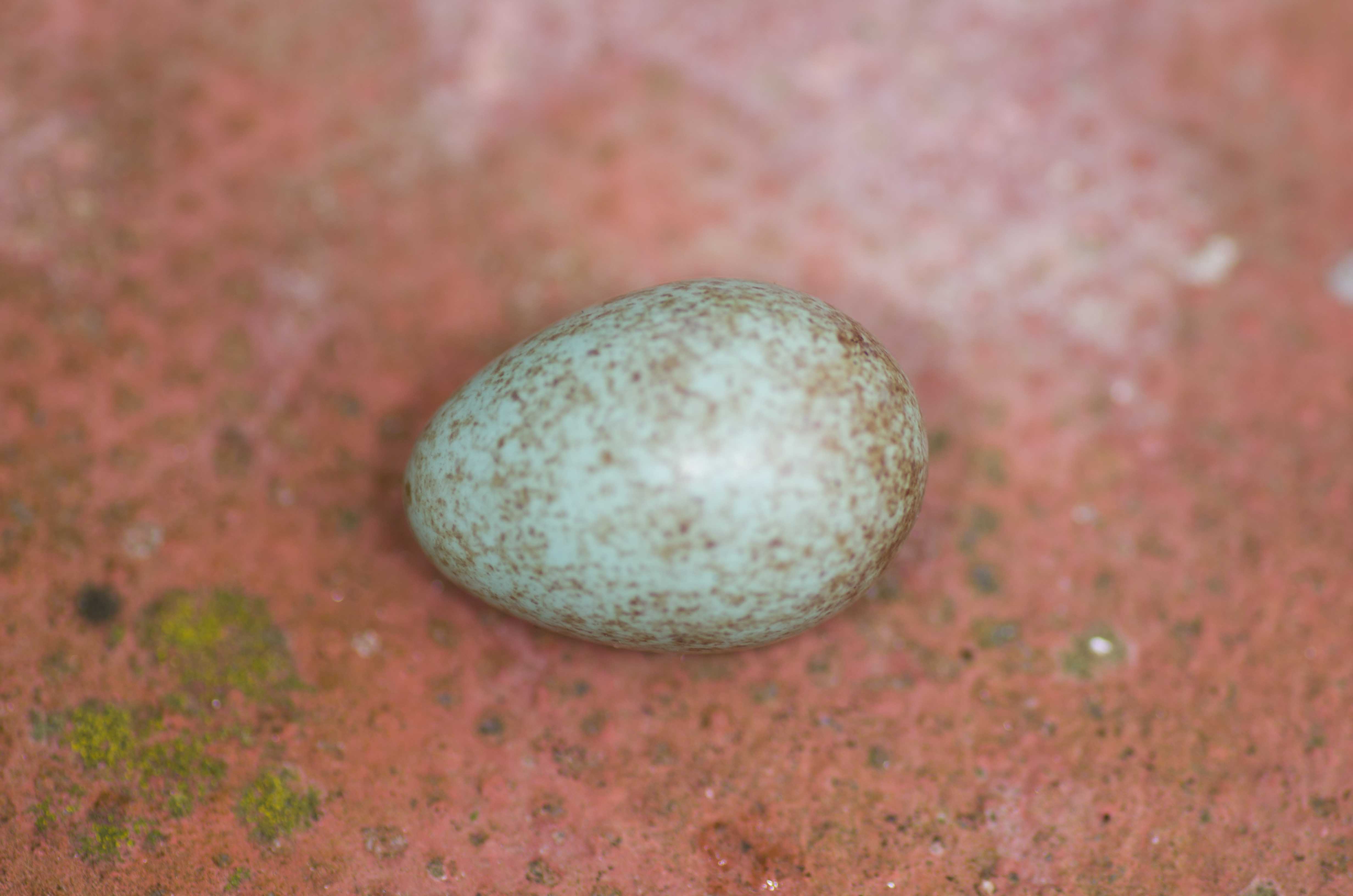
The Blackbird is still sitting tight in the garden, in a bush close to the house. I saw that she had vacated the nest to feed, she was in the garden. I quickly went to check to see if she had another egg but still just 3 eggs, a small clutch. There could be as manny as 6. I removed an egg for a photo and then quickly put it safely back. When I checked a bit later on, she had returned and was sitting tightly again.
Later on in the afternoon, in fact almost in the evening I went out to the river to check on the dippers and glad to say they were doing fine. I caught sight of this beetle on the path and quickly put the ring flash in to use again.
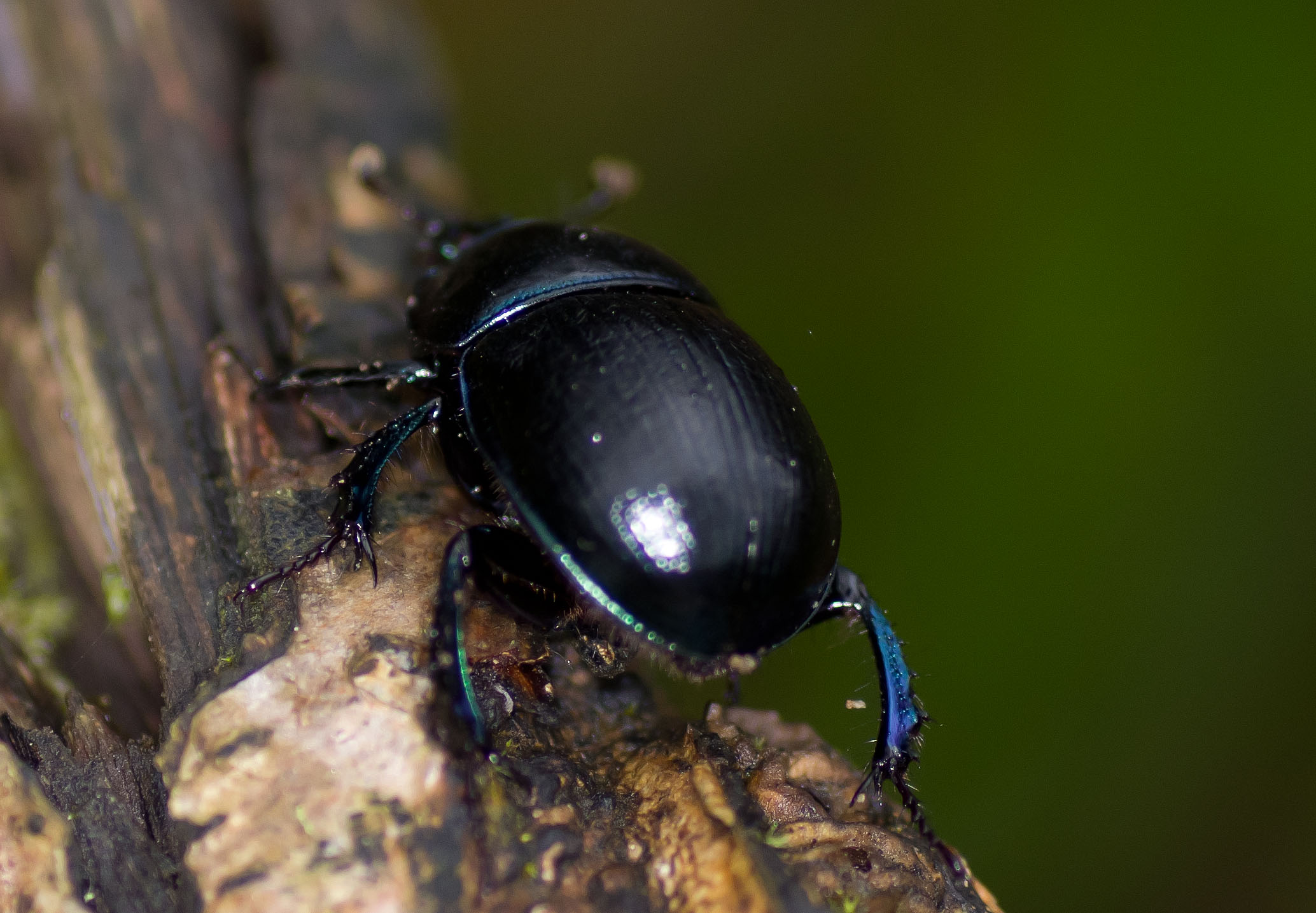
This is a Dor Beetle, also known as a Scarab or dung beetle. It was a surprise to see it in this situation because they are usually associated with pasture where there are cows or sheep.
I took this bit of video earlier and it shows a pair of Dippers feeding in the late evening. One of them appears to catch a small fish but it’s hard to tell for sure.
Untitled from Charles Fleming on Vimeo.
 Wildlife in a Suburban Garden
Leave a comment