
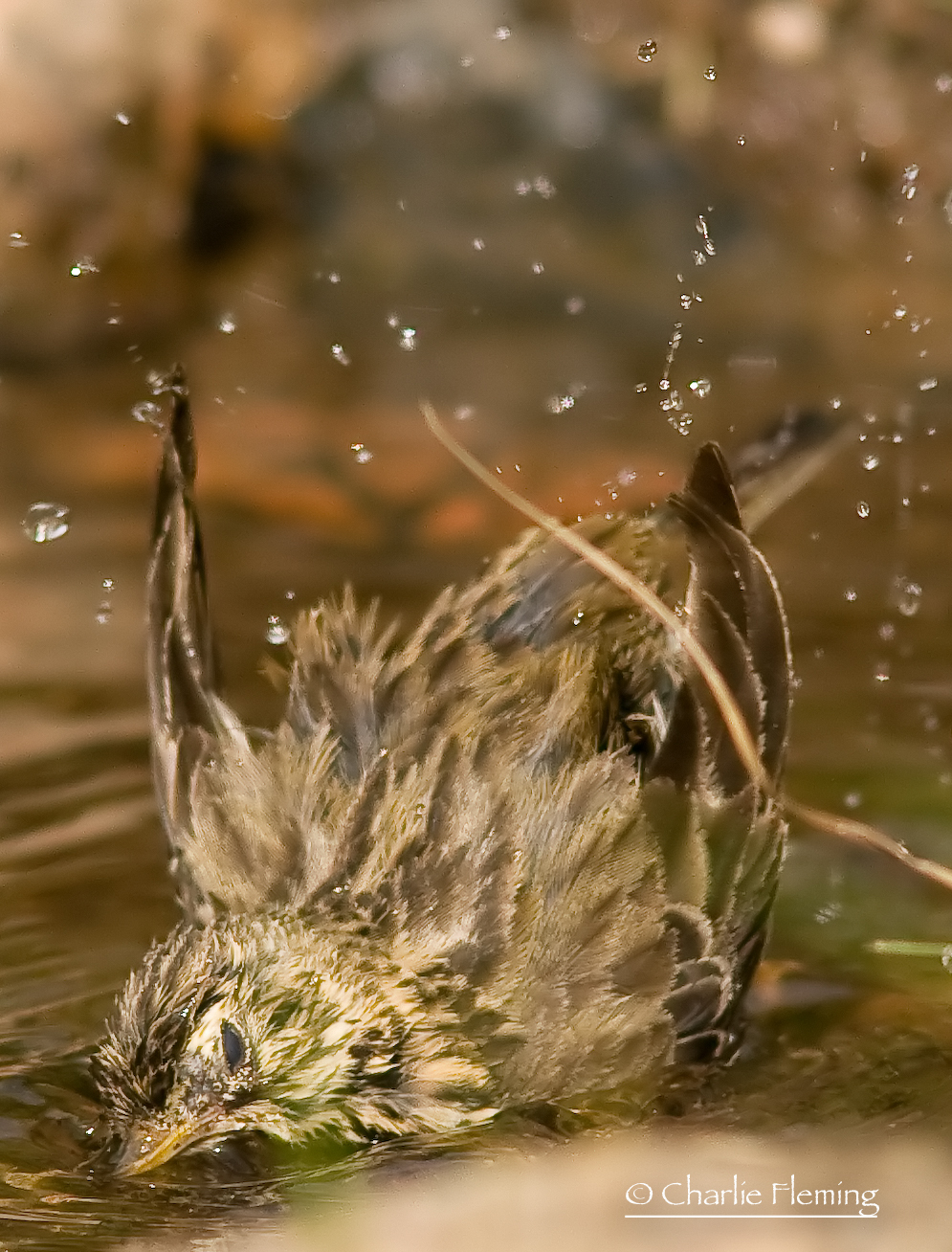

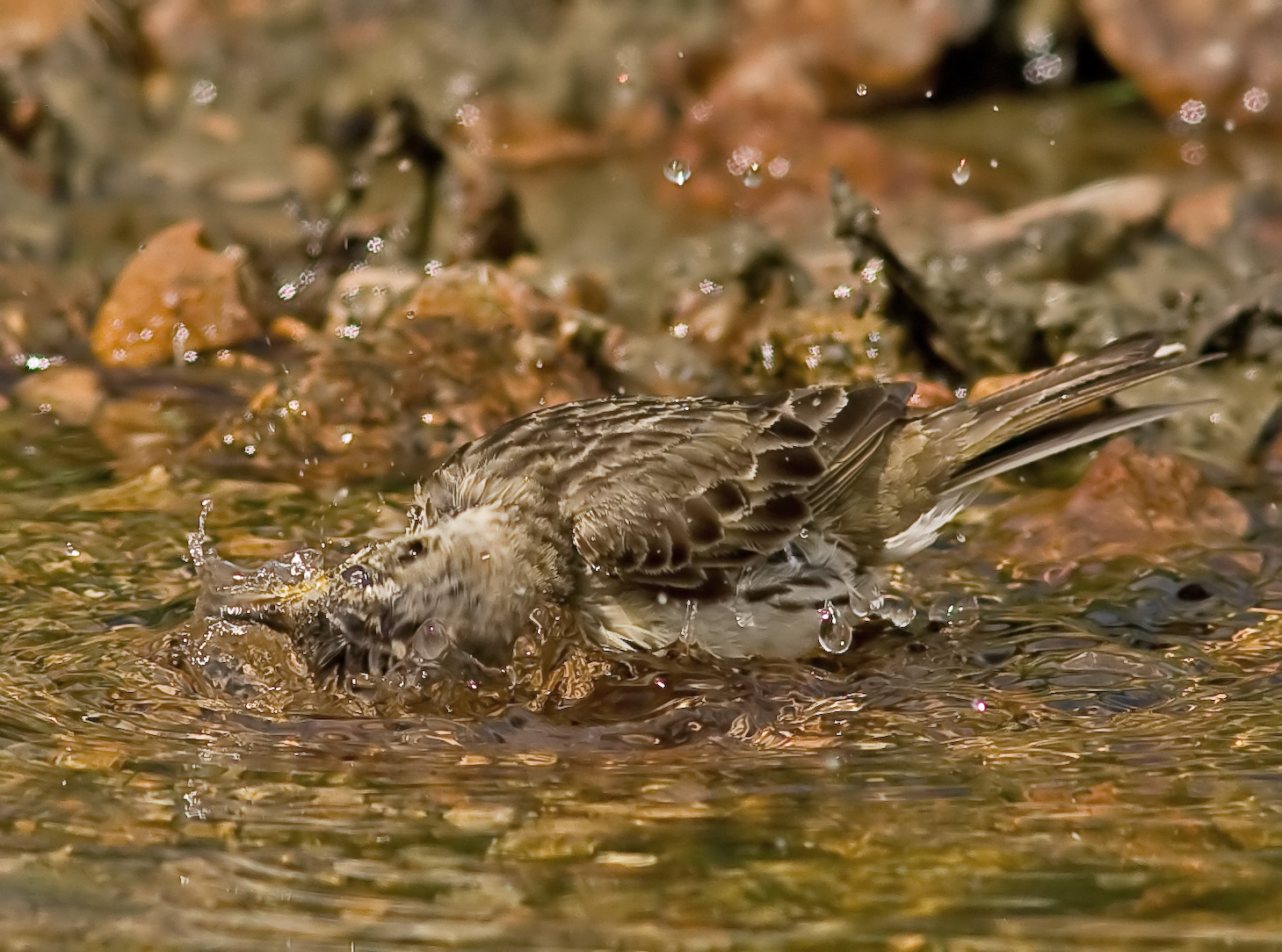

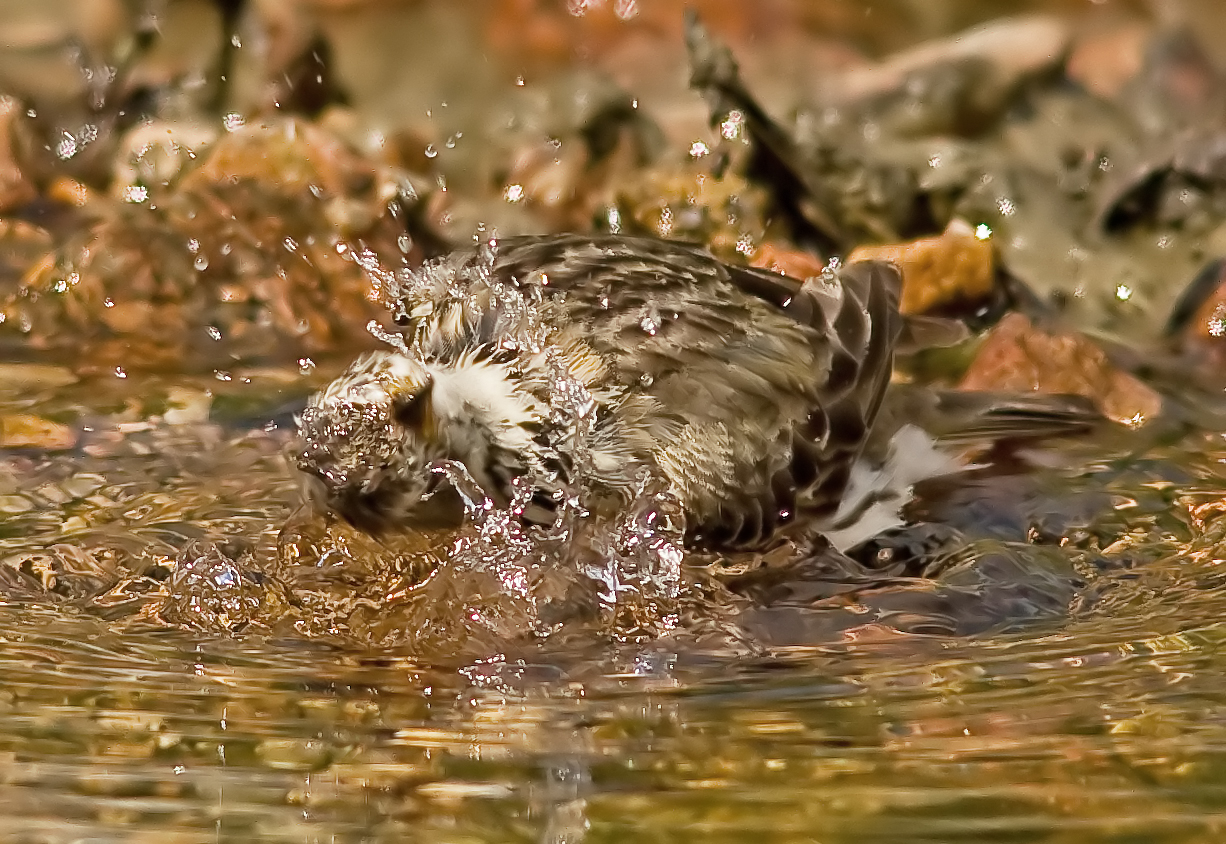
I continued with my exciting quest for close-ups next to my pool deep in the wilds of Dartmoor. It is hard to put in to words how lovely it is when sat concealed next to the water not knowing what is going to land very close in front of you. I pretty much know what is expected, but there is always the thought and anticipation that something rare and very interesting may arrive. It is always good when birds land near because you know that your cover is good and your confidence is given a big lift. Patience is really important. Foe example, yesterday I spent literally four hours which flew by. The air is fresh and the peace, quiet and tranquility is wonderful. Yesterday was interesting, I was mainly waiting for the arrival of the Yellowhammer pair that are in the vicinity and when the male put in a very close appearance, well to be honest…….. I blew it! It landed, unannounced on some rocks that I had strategically placed in the water right in front of me, very exciting……… then it moved quickly to the edge of the pool, took a drink and flew off before I could even get one shot! I won't write here what I said to myself, but you can guess I am sure. When you see a Yellowhammer very close, it is just amazing how bright yellow they are. The colour is intense and the chestnut markings just such a good contrast. Have you ever noticed that colours that you wouldn't expect to go together, in nature are a perfect contrast. How did that evolve? Just look at the colours of Bee eaters, Rollers and Kingfishers for example. Deep and philosophical questions I'm sure! Anyway, we had the pleasure of 4 or 5 different Meadow Pipits and one thing that is becoming noticeable about them is the variety and intensity of markings. The ones above shows the same individual and because they are in the water you can't see their plumage particularly well. But this one below is totally different, it is a young bird, one of this years immatures and very subtle in tits markings.
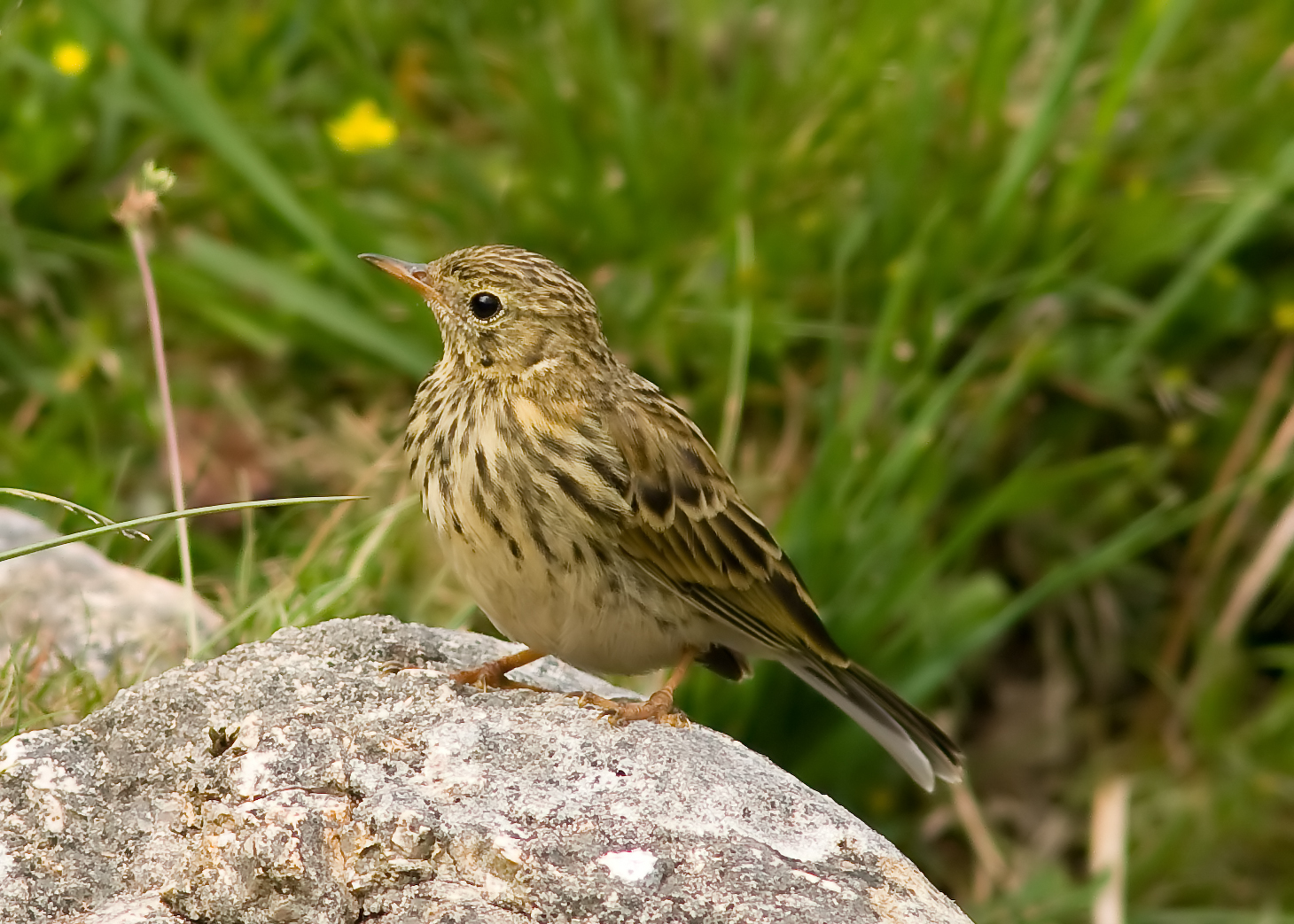
If I didn't know better, you could almost think it was a different species. This one below is more lightly coloured, probably a male but certainly an adult. 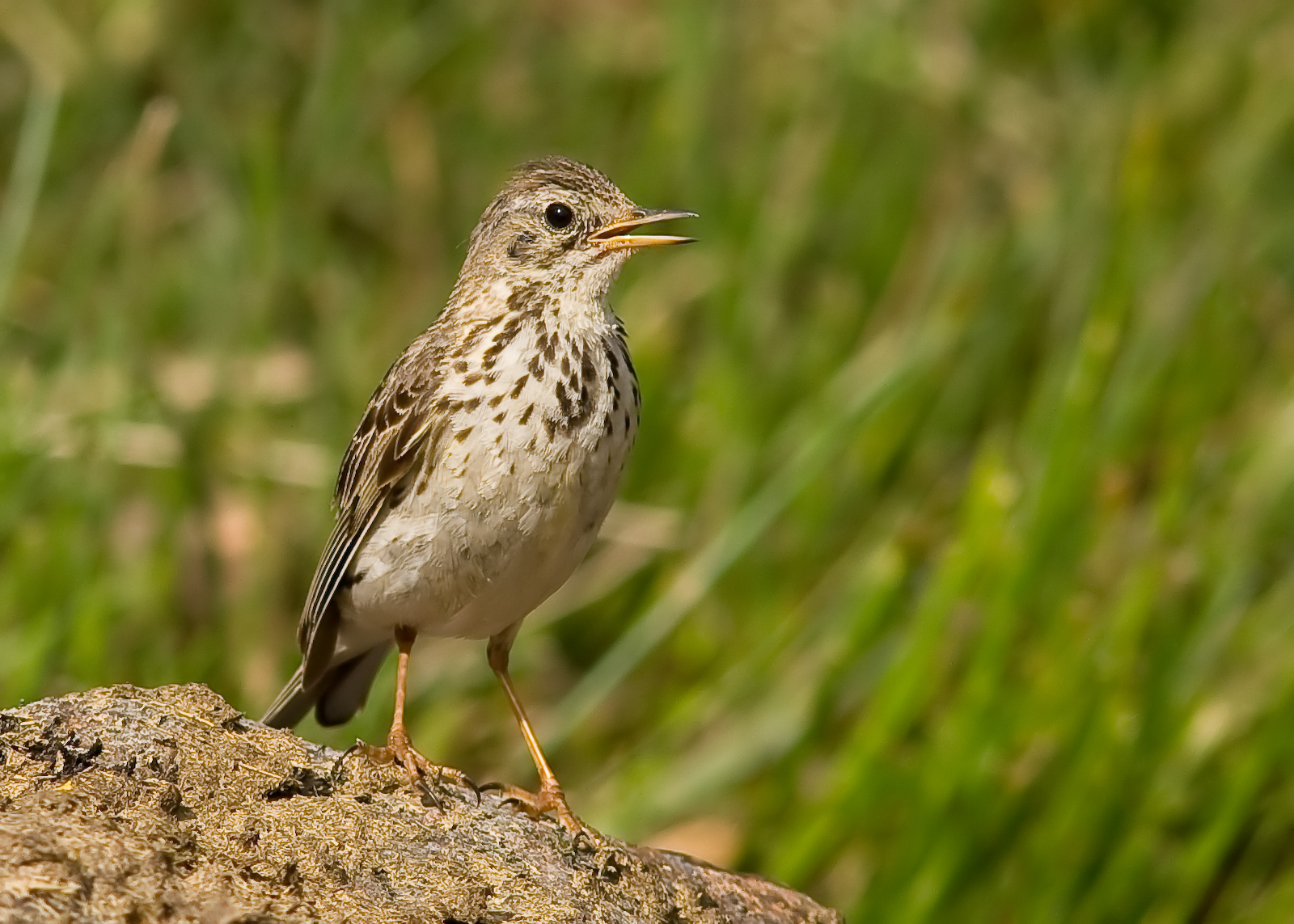
 Wildlife in a Suburban Garden
Leave a comment