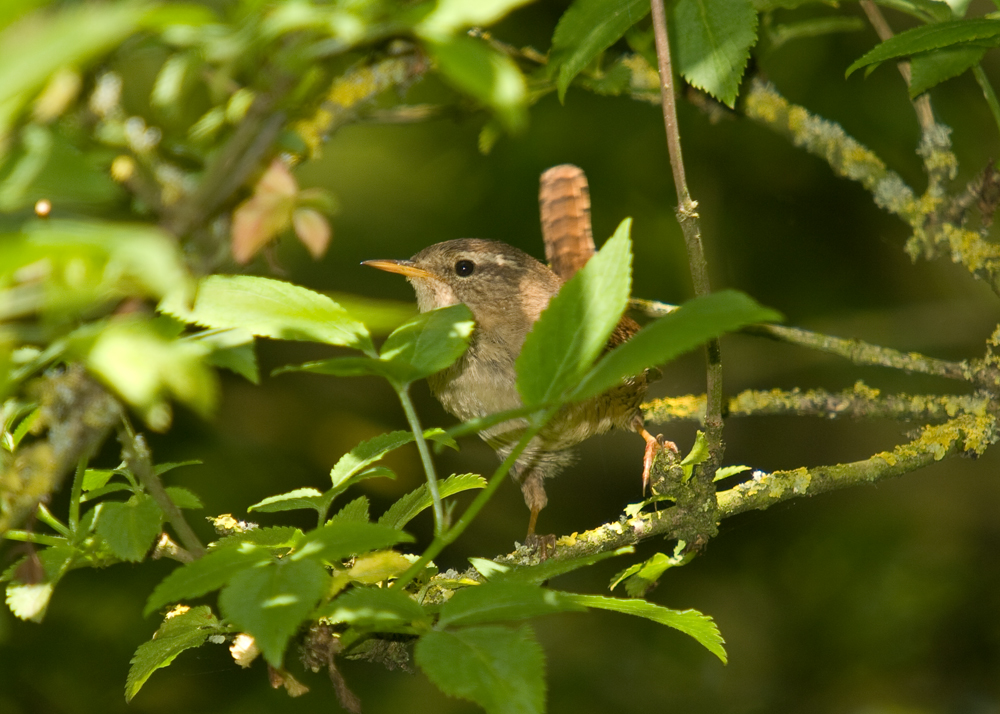
I have found that the Wren is a bird not that easy to get a good photo of, they are quick and keep low, and have come and gone before you realise. They are very common though and I knew that I would get a decent picture sooner or later. Over the last few days I have been exploring the Alphin Brook which flows into the my "village"and joins the River Exe very low down on the Estuary via. the Exeter Canal. This is a wooded valley very, very close to the City and a favourite of dog walkers, (where isn't). The adjoining fields contain horses that belong to the local riding stables. It really is a nice quiet area and the home of breeding birds, Tits, Robins, Blackbirds etc. Kingfishers are reported and there are some nice butterflies to be seen. Wrens were singing their territorial songs as usual and as I stood quietly I watched one carrying food to feed youngsters hiding away in the brambles and nettles. I thought that there was nest quite close to the path but as I stood and watched it became obvious that there were several youngsters calling out and being attended to mostly by the male bird.
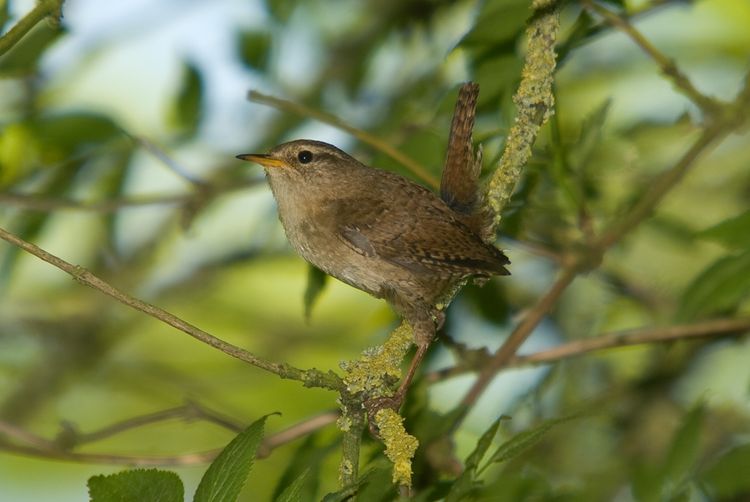
Quite interestingly he would sing loudly even with his mouth closed which was unusual I thought! With the sun very bright today it was a good time to use the flash to get rid of the shadows and I am pleased with the results.
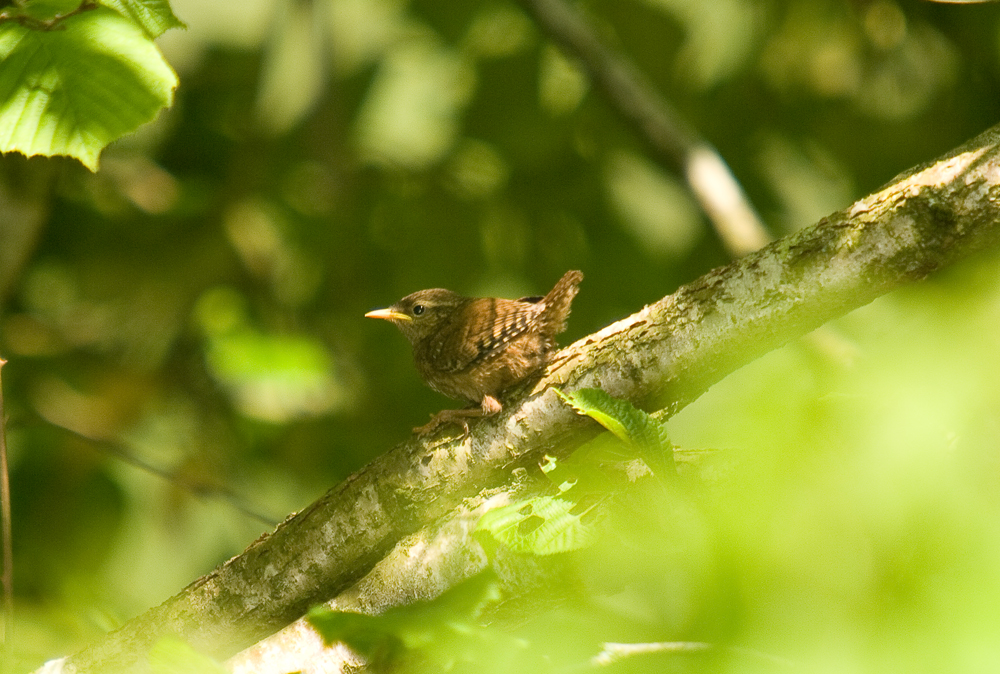
Eventually one of the babies came out of the undergrowth and perched on a low branch giving me the chance to get a nice look at it as it followed one of the parents begging for food.
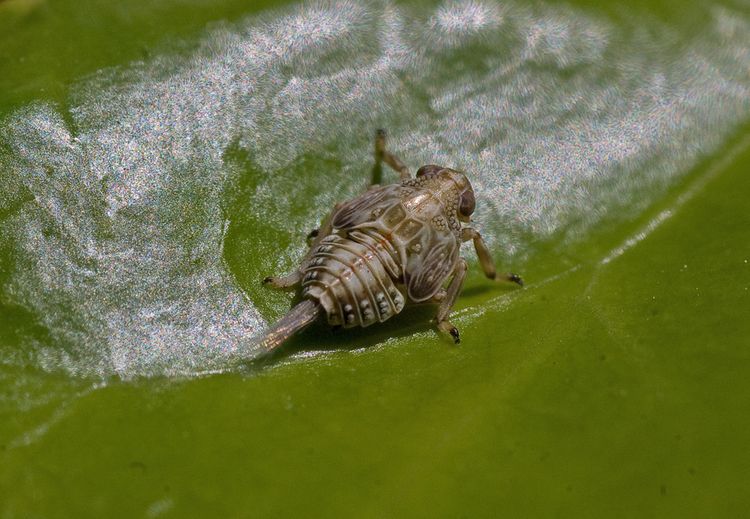
Issus coleoptratus in the garden.
We have a big patch of Ivy at the top of the garden which even though it's a bit of a mess I am reluctant to cut back because I know that it provides food and cover for lots of insect species and also somewhere for the birds to roost. This morning I was having a close look to see if I could see more Issus coleoptratus nymps, I had seen them earlier in the week and thought how starnge they are. They look as though they were designed by the props department from a Doctor Who show. They are strangely armoured and have a bristle tail, no idea what that could be used for but I read that they feed on ivy so that would explain why they were 3 of them on there! What a strange insect which is a "Froghopper" related to the cicadas but much, much smaller. They feed by sucking the sap apparently. They are said to be common in the East of the country, well we are in the West!



 Wildlife in a Suburban Garden
Leave a comment